I. Introduction: The New Normal in Building Materials Trading
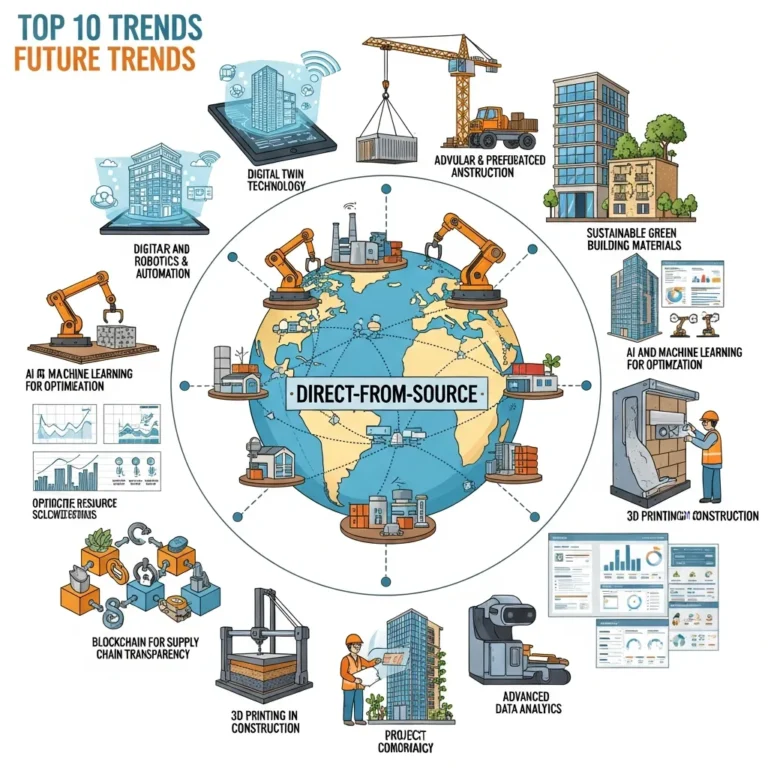
The building materials trading sector is experiencing significant transformations characterized by digital advancement and an escalating emphasis on sustainability. As this industry navigates the complexities introduced by digital transformation, stakeholders are confronted with unique challenges and opportunities. Price volatility in raw materials has emerged as a crucial concern, driven by fluctuating demand and geopolitical factors. This volatility not only affects operational planning but also impacts financial forecasting within the sector.
Simultaneously, ongoing supply chain restructuring is reshaping the landscape of building materials trading. The COVID-19 pandemic highlighted vulnerabilities in global supply chains, leading to a re-evaluation of sourcing strategies and logistics. As companies adapt, they are increasingly leaning towards local suppliers to mitigate disruptions and ensure steady material availability. This transformation necessitates agility and responsiveness to changing market conditions.
Compliance pressures are noticeably increasing, with regulatory bodies imposing stricter environmental standards. Stakeholders are thus compelled to embrace sustainable practices, integrating eco-friendly materials and energy-efficient processes into their business models. This shift towards sustainability is not merely a trend but a fundamental evolution that aligns with global environmental goals.
At this critical juncture, building materials trading companies are transitioning from traditional ‘pure transaction’ models to diverse ‘service-driven’ approaches. This evolution fosters deeper customer engagement and establishes long-lasting relationships built on trust and effective collaboration. Innovative service offerings not only enhance customer satisfaction but also contribute to a competitive edge in the marketplace.
In summary, the current landscape of building materials trading is marked by transformative changes such as digitalization, supply chain adaptation, and a sustainability focus, presenting both intricate challenges and promising opportunities for industry stakeholders.
Trend 1: Green Building Materials and Carbon Transparency
The construction industry is undergoing a significant transformation driven by sustainability, resulting in an increased adoption of green building materials and a growing emphasis on carbon transparency. As consumers and regulatory bodies become more aware of environmental issues, the demand for materials that minimize ecological impact has risen sharply. This trend is largely influenced by an array of policy drivers such as carbon tariffs, which tax carbon emissions associated with materials, and updated building codes that mandate the use of sustainable resources. These policies are reshaping the material selection process, urging businesses to prioritize eco-friendly options.
One of the core strategies to enhance competitiveness in this evolving landscape is the utilization of Environmental Product Declarations (EPDs) and Life Cycle Assessments (LCAs). EPDs provide a transparent account of a product’s environmental impact throughout its life cycle, offering companies a tool to communicate sustainability credentials to clients and regulatory entities. Similarly, LCAs help assess overall ecological outcomes from extraction to disposal, allowing businesses to make informed material choices that align with their sustainability goals.
Looking ahead, several categories of building materials are poised to gain traction as part of the green revolution. Recycled materials, including reclaimed wood and repurposed metals, are increasingly favored for their ability to reduce resource extraction. Bio-based materials, derived from natural sources such as hemp and bamboo, are gaining popularity for their renewability and lower carbon footprints. Furthermore, high-performance energy-saving products, designed to enhance energy efficiency in construction, are becoming essential as regulatory frameworks tighten around energy consumption and emissions. These trends indicate a substantial shift in building materials trading, positioning sustainability at the forefront of industry innovations.
Trend 2: Comprehensive Digitalization of Trade Processes
The building materials sector is experiencing a substantial transformation driven by the comprehensive digitalization of trade processes. This trend is primarily characterized by the rise of B2B e-commerce platforms, which have redefined traditional sales channels. As more businesses shift to online platforms, the need for an integrated omni-channel sales experience becomes increasingly vital. Companies are now required to provide seamless transitions between online and offline touches, allowing customers to engage with brands according to their preferences.
Integral to this digital evolution is the application of Artificial Intelligence (AI), which enhances decision-making within the industry. AI technologies are employed in inventory forecasting, enabling businesses to anticipate demand fluctuations and streamline supply chain operations accordingly. This predictive capability helps prevent stockouts and excess inventory, thus optimizing resource allocation and improving overall efficiency. Additionally, AI facilitates dynamic pricing strategies, allowing companies to adjust prices in real-time based on market conditions, competitor pricing, and customer behavior insights. This ensures that businesses remain competitive while maximizing their profitability.
Moreover, the adoption of trust mechanisms such as blockchain technology plays a critical role in enhancing the traceability and quality certification of building materials. By utilizing blockchain, companies can create secure, transparent records of each transaction, which enables stakeholders to verify the authenticity and compliance of products. This level of transparency not only fosters trust among suppliers, distributors, and customers but also reinforces quality assurance practices. As these digital processes continue to evolve, organizations in the building materials sector must embrace these innovations to thrive in an increasingly competitive landscape.
Strategic Response: Building a Resilient Supply Chain
In the face of the dual revolutions of digital transformation and the growing emphasis on sustainability, developing a resilient supply chain is essential for businesses operating within the building materials trading sector. A strategic approach involves optimizing sourcing through a ‘glocal’ procurement strategy, which effectively balances the advantages of global sourcing with the localized demands of specific markets. This dual-track strategy ensures that businesses can tap into the efficiencies and cost benefits provided by international suppliers while also remaining responsive to the unique requirements of local customers.
Furthermore, the industry is currently witnessing significant labor shortages, particularly in skilled trades. To address this challenge, companies should explore emerging opportunities within prefabricated (prefab) and modular building materials. These innovative solutions not only facilitate faster construction timelines but also offer opportunities for cost-saving through improved labor efficiency. By investing in prefab and modular technologies, businesses can enhance their product offerings and meet the increasing demand for sustainable construction methods.
Value-added services play a crucial role in enhancing customer relationships and improving operational efficiency in this evolving landscape. Companies should consider incorporating logistics tracking systems that offer clients real-time updates on shipping and delivery. This transparency helps build trust and allows customers to plan better, ultimately leading to enhanced satisfaction. Additionally, providing technical consulting services can empower clients to make informed decisions regarding material selection and usage, positioning the business as a knowledgeable partner rather than just a supplier.
By embracing these strategic initiatives, building materials traders can create a resilient supply chain that not only withstands the challenges posed by digitalization and sustainability demands but also thrives in this dynamic environment. As the industry continues to evolve, staying proactive and adaptable will be key to long-term success.