
Safety Meets Style: The Ultimate Guide to Shower Floor Tile in 2026
The shower is the most dangerous place in the home. Water, soap, and smooth surfaces are a recipe for disaster. Choosing the right shower floor tile isn’t just about aesthetics; it’s a safety decision.
However, in 2026, you don’t have to choose between “ugly safety mats” and “slippery luxury.” Here is how to select the best bathroom shower floor that offers grip and glamour.
1. The Science of Grip: Why Size Matters
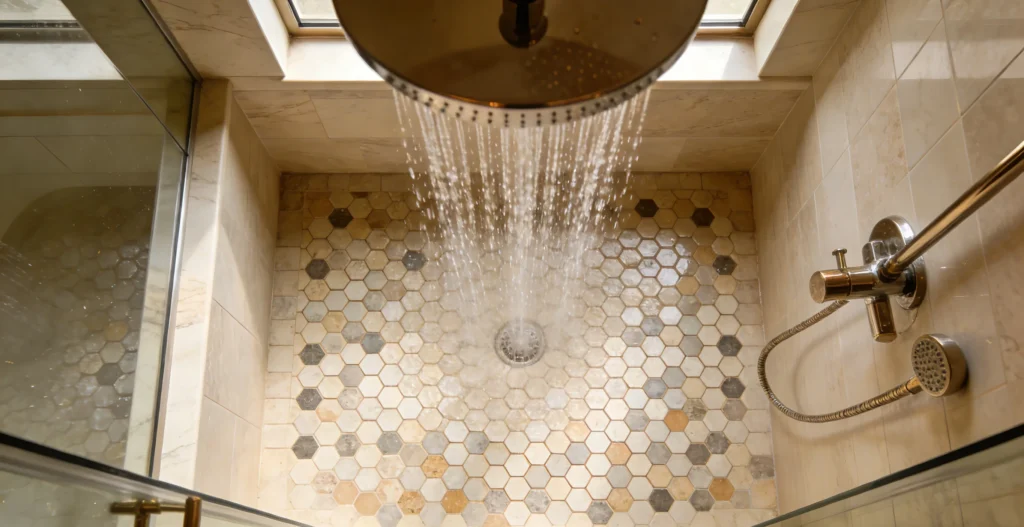
Traditionally, designers recommend small tiles (Mosaics) for the shower tile floor.
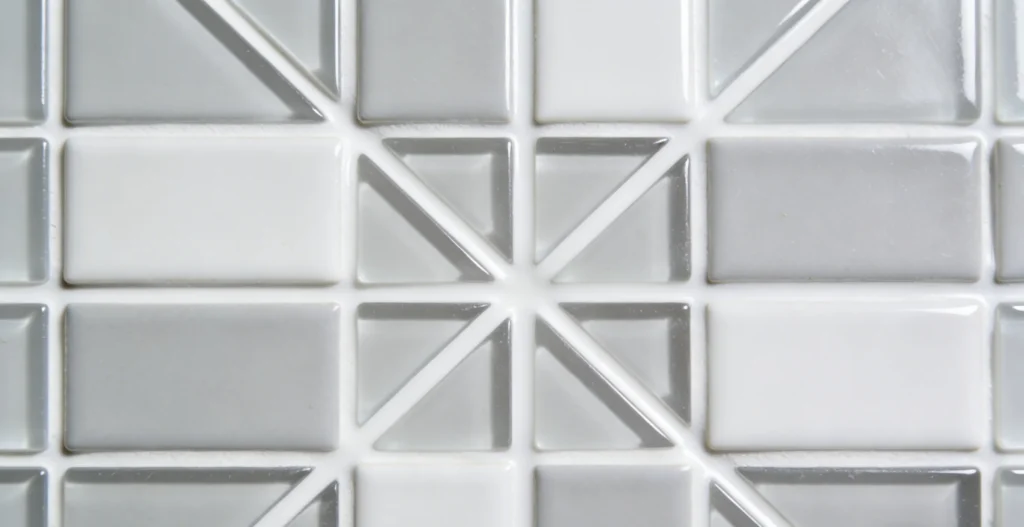
- Why? It’s not just the tile texture; it’s the grout. More grout lines = more physical resistance for your feet. A 1×1 inch mosaic sheet is inherently safer than a 12×12 inch tile.
- Ratings to Watch: Look for tiles with a DCOF (Dynamic Coefficient of Friction) of at least 0.42. In Europe/Asia, look for an R10 or R11 rating.
2. Top Materials for Shower Floors
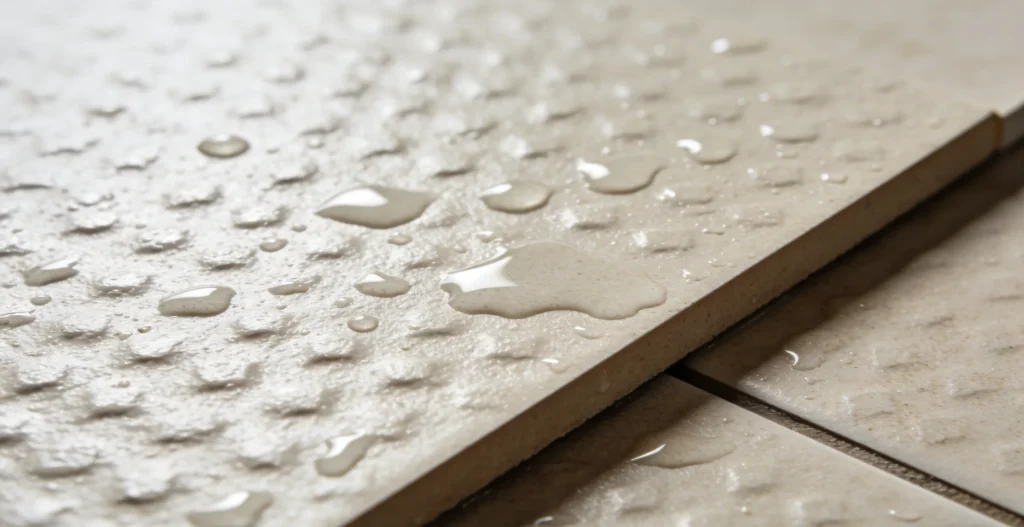
- Porcelain Mosaics: The gold standard. Non-porous, durable, and endless design options (hexagons, penny rounds, squares).
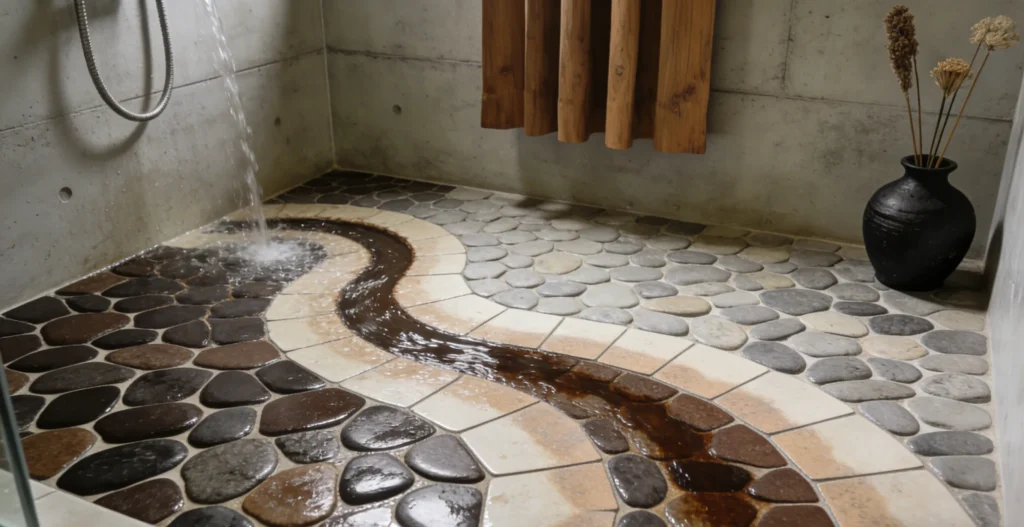
- Natural Pebbles: Sliced pebble tiles give a “Zen Spa” vibe. Warning: They require more grout, which means more scrubbing.
- Matte Finish Ceramics: Never use polished tile on a shower floor. Always choose Matte or Textured.
3. The “Linear Drain” Revolution
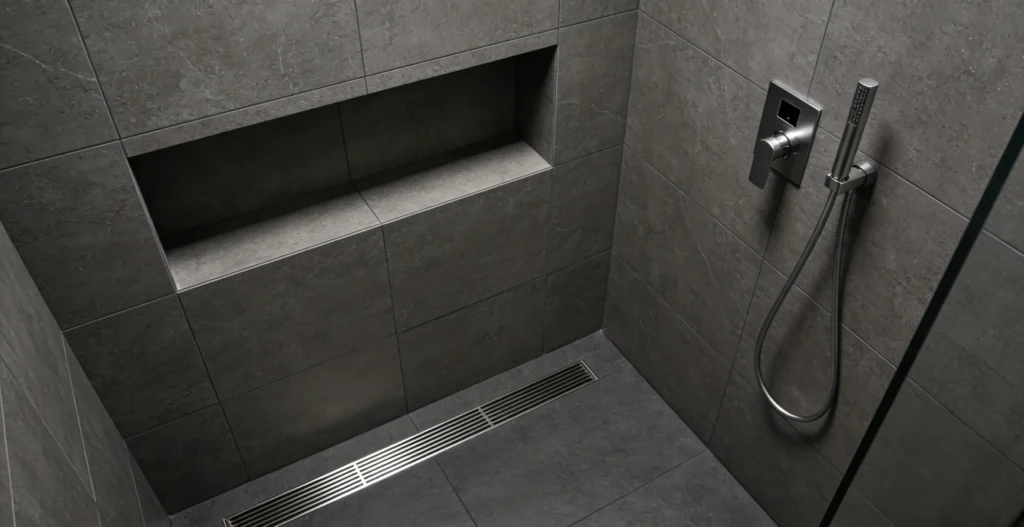
Want to use large tiles on your shower floor? You need a Linear Drain (trench drain).
- Traditional Drain: Requires a 4-way slope (funnel shape). You must use small tiles to accommodate this curve.
- Linear Drain: Requires a 1-way slope. This allows you to use large, seamless bathroom tile planks on the floor, creating a modern, minimalist look that is easier to clean.
4. The Grout Debate: Cement vs. Epoxy
The grout is the weak link in any bathroom shower floor.
- Cement Grout: Cheap, easy to apply, but porous. It absorbs water and turns yellow/black with mold over time.
- Epoxy Grout: The pro choice. It is made of resin and hardener. It is 100% waterproof, stain-proof, and flexible. It costs more, but you will never have to scrub mold out of your shower floor again.
5. Maintenance Tips
- Seal Natural Stone: If you choose marble or travertine mosaics, you must seal them every 6 months. Stone absorbs shampoo and dye, leading to permanent stains.
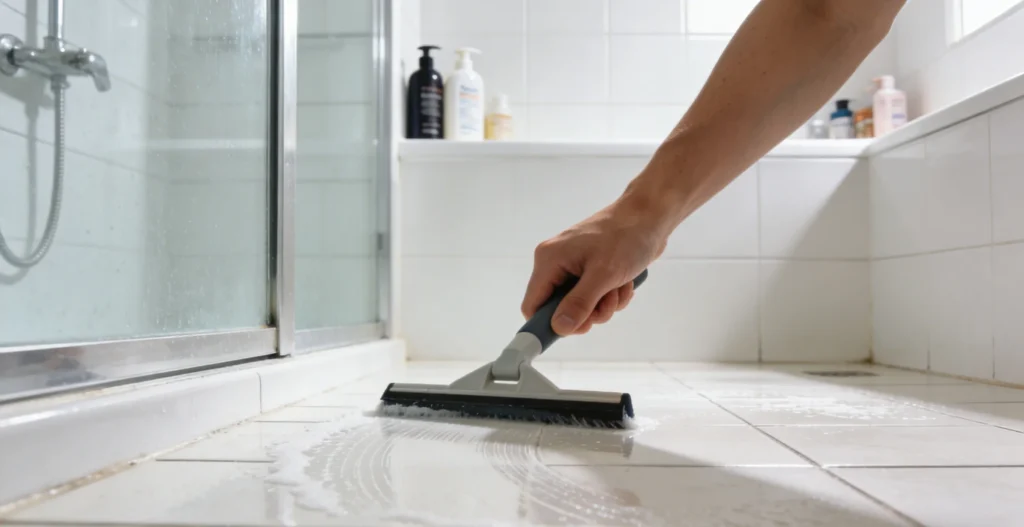
- Squeegee: The best way to keep your shower floor tile clean is to use a squeegee after every shower to remove standing water and soap scum.
6. FAQ
Q: Can I use the same tile on the floor and walls?
A: Only if the wall tile is rated for floor use (PEI rating) and is slip-resistant. Most glossy wall tiles are dangerous on the floor.
Q: Why is my shower floor tile turning white?
A: This is likely “efflorescence” (minerals from water/cement coming to the surface) or soap scum buildup. A distinct acidic cleaner is needed to remove it.