
Beyond White: The New Wave of Bathroom Wall Tile Design
For years, bathroom wall tile meant one thing: 3×6 white subway tiles. While classic, they are safe. 2026 is the year of “moody” bathrooms, biophilic design, and tactile surfaces.
Your walls are the largest canvas in the bathroom. Whether you are doing a full renovation or a quick refresh, choosing the right bathroom tiles protects your home from moisture while defining your style.
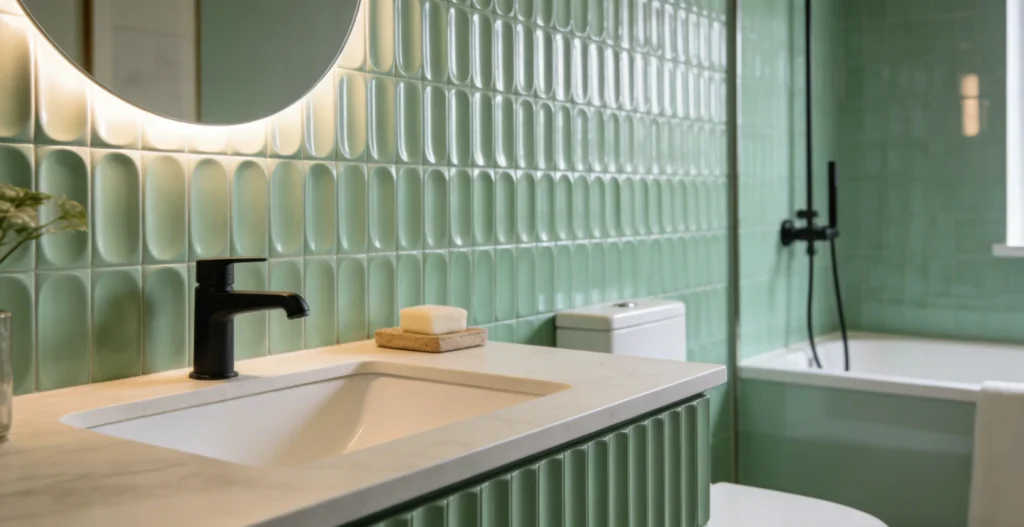
1. The “Tactile” Revolution: 3D & Texture
Designers are moving away from flat, printed tiles to tiles you want to touch.
- Zellige Style: Inspired by Moroccan craftsmanship, these tiles have uneven surfaces and edges. They catch the light differently from every angle, creating a shimmering, watery effect perfect for showers.
- Fluted/Ribbed Tiles: 3D grooved tiles add architectural interest and modern linearity without needing bold colors.
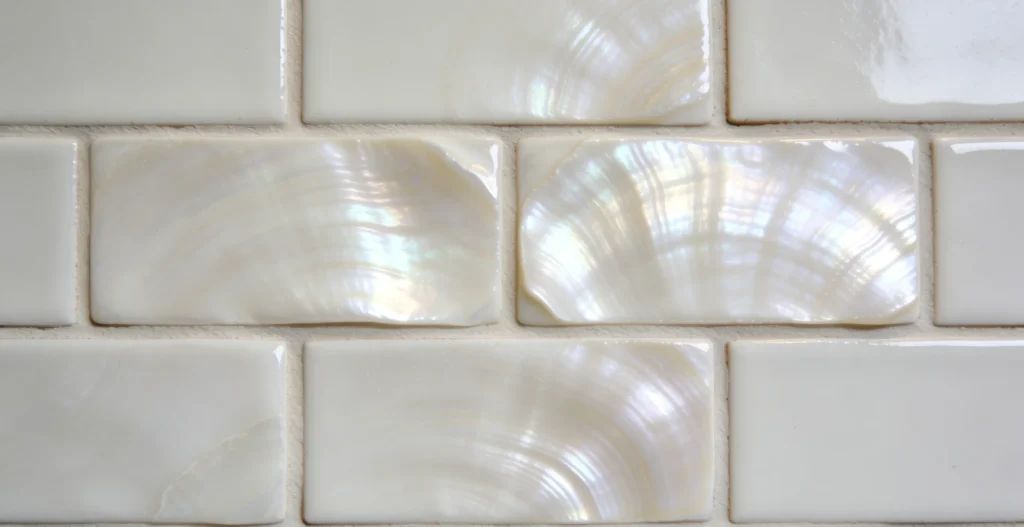
2. Material Choices: Ceramic vs. Porcelain vs. Glass
- Ceramic: The most common choice for bathroom wall tile. It is lighter than floor tile, easier to cut around shower valves, and comes in the widest variety of glazes.
- Large Format Porcelain: Using massive slabs (4ft x 8ft) on shower walls to eliminate grout lines entirely. This is the ultimate luxury look.
- Glass: Perfect for accent strips or dark bathrooms, as it reflects light to brighten the space.
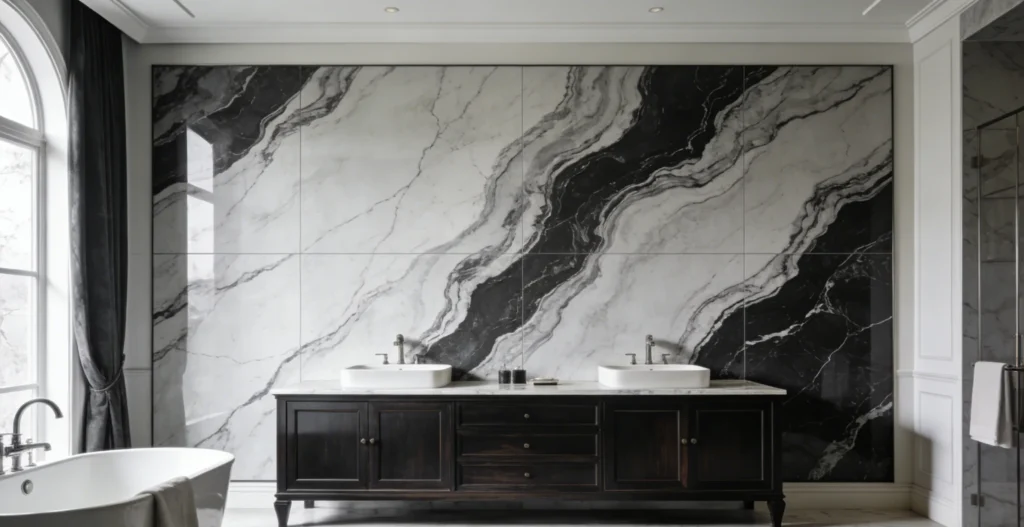
3. The “Wet Wall” Zoning
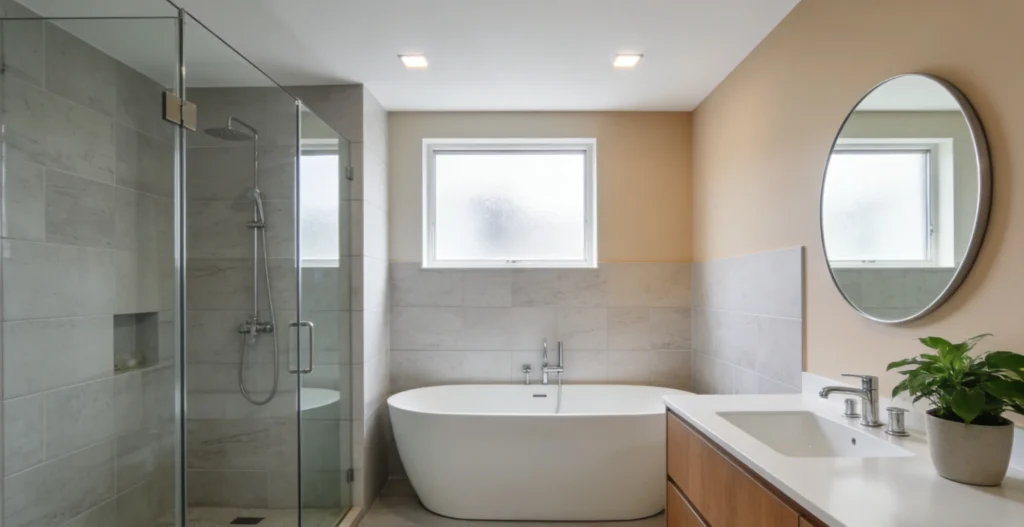
You don’t need to tile the entire room floor-to-ceiling (unless you want to).
- Zone 1 (Wet): The shower enclosure and the wall immediately behind the bathtub require waterproof bathroom tiles to the ceiling.
- Zone 2 (Splash): Behind the vanity sink. A backsplash height of 10-12 inches is functional, but taking it to the ceiling creates a “feature wall.”
- Zone 3 (Dry): Use high-quality moisture-resistant paint or wallpaper for the remaining walls to soften the acoustics of the room.
4. Edging: The Detail That Matters
How you finish the edge of your tile separates a DIY job from a pro job.
- Bullnose: The traditional matching tile with a rounded edge.
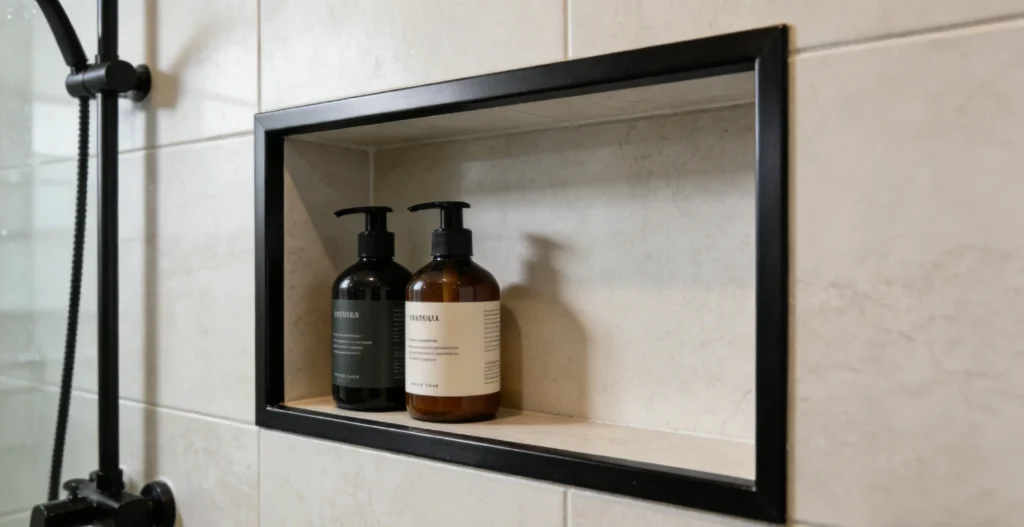
- Schluter Systems: Metal profiles (Gold, Matte Black, Brushed Nickel) that frame the tile edge. This is the #1 modern choice for 2026 bathroom wall tile installations.
5. Waterproofing: What’s Behind the Tile?
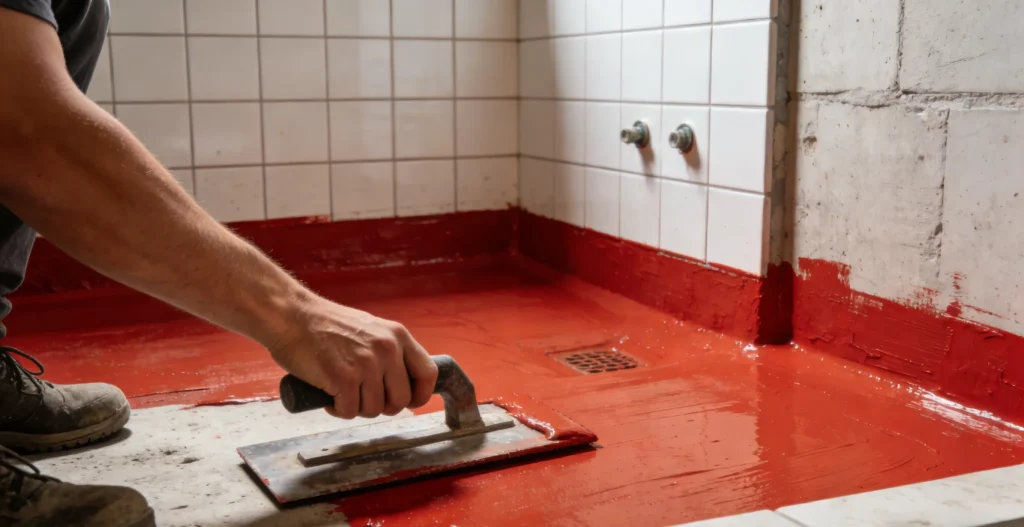
Crucial: Tile and grout are not waterproof. Water seeps through them.
- The Defense: Ensure your contractor installs a waterproof membrane (like RedGard) or a foam board system (like Kerdi) behind the tile. If they stick tile directly to drywall in a shower, fire them.
6. FAQ
Q: Glossy or Matte for walls?
A: Glossy is better for small bathrooms (bounces light) and is easier to wipe clean of soap scum. Matte looks more modern and sophisticated but hides water spots better.
Q: Can I use floor tile on the wall?
A: Yes! But never use wall tile on the floor (it’s too thin and slippery).