Introduction: Why Kitchen Backsplash Tile Matters
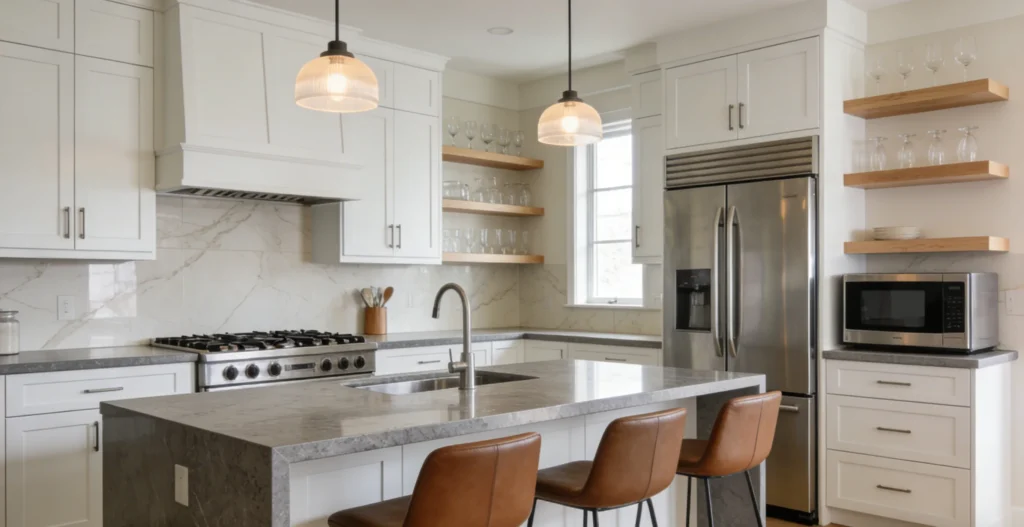
The kitchen backsplash tile is both a functional shield and a design focal point. It protects walls from oil splatters, water damage, and stains while adding personality to your cooking space. Whether you’re remodeling or updating your kitchen, the right backsplash tile can tie together cabinets, countertops, and flooring—turning a basic kitchen into a stylish hub.
Top 6 Kitchen Backsplash Tile Ideas for 2026
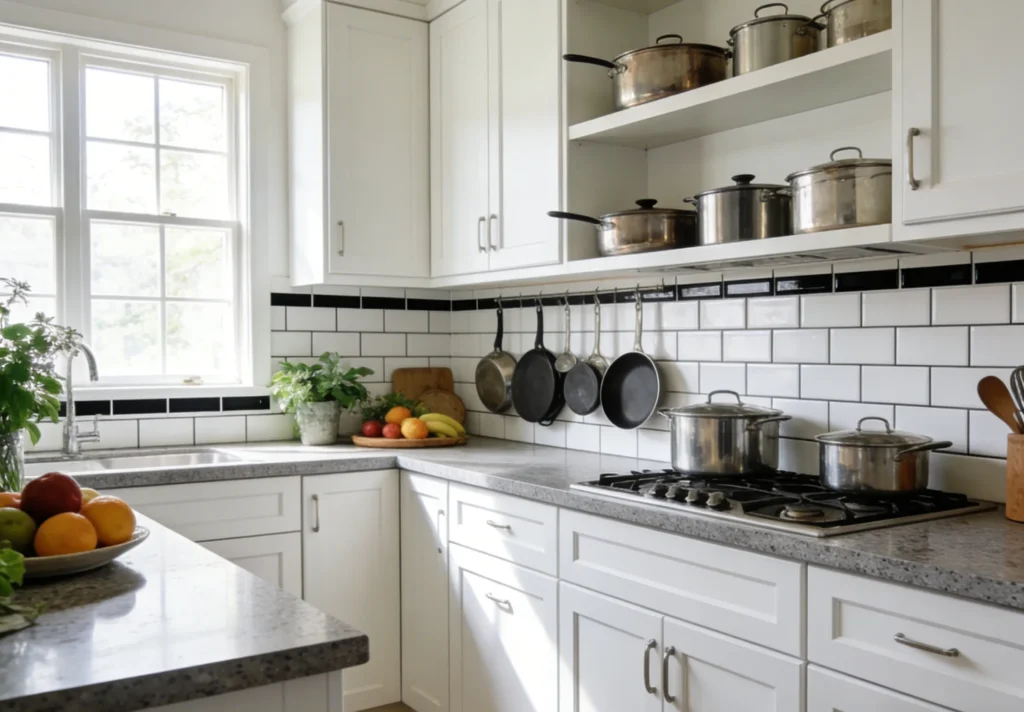
From classic to trendy, these options balance style and practicality:
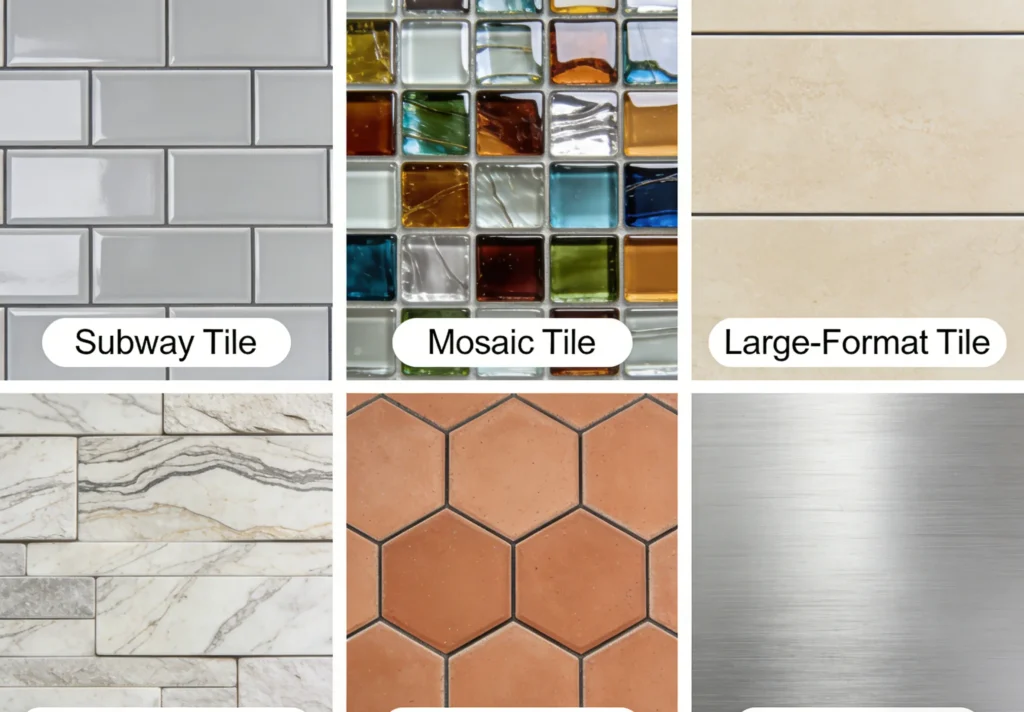
- Subway Tiles: Timeless rectangular tiles (3×6 inches) in white, gray, or black—easy to clean and pair with any kitchen style.
- Mosaic Tiles: Small glass or ceramic mosaics (1×1 inches) in bold colors or patterns—great for accent walls behind stoves.
- Large-Format Slabs: 6×12-inch or bigger tiles (porcelain or quartz) with minimal grout lines—modern and low-maintenance.
- Natural Stone Tiles: Marble or travertine tiles add luxury; opt for sealed versions to resist oil stains.
- Hexagonal Tiles: Six-sided tiles in neutral tones (beige, light gray) add geometric interest without overwhelming the space.
- Metal Tiles: Stainless steel or copper tiles—sleek, waterproof, and perfect for industrial-style kitchens.
How to Choose Kitchen Backsplash Tile for Different Countertops
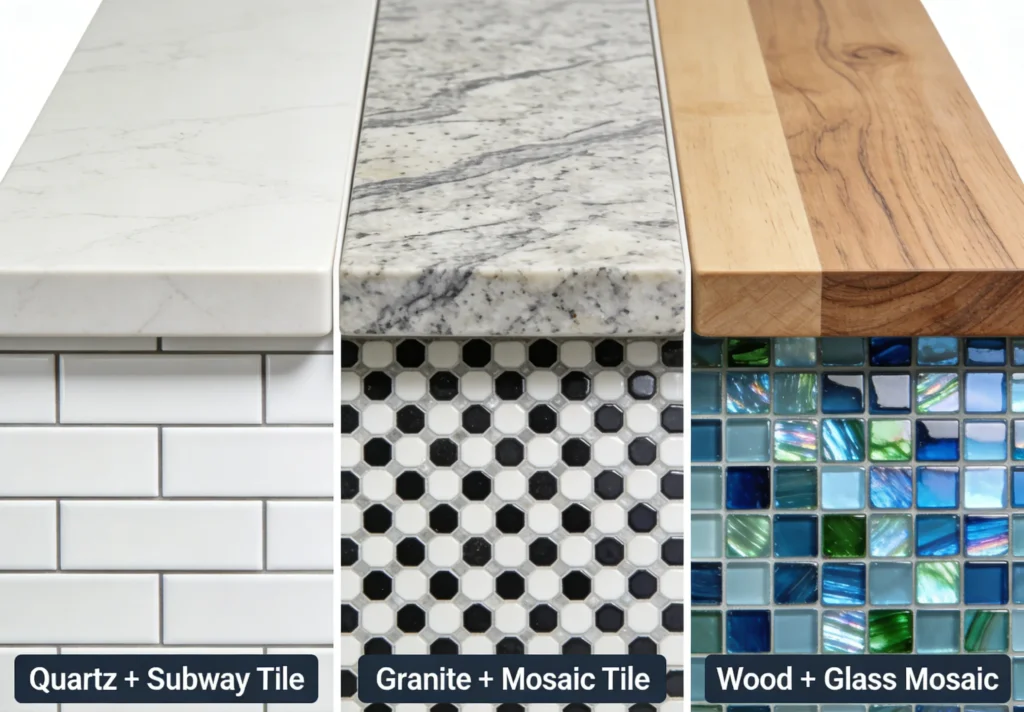
Your backsplash should complement (not clash with) your countertops—follow these pairings:
- Quartz Countertops: Pair with subway tiles or large-format porcelain (neutral tones to let quartz patterns shine).
- Granite Countertops: Choose simple mosaic tiles or natural stone backsplashes (match granite’s undertones, e.g., beige tiles with brown granite).
- Wooden Countertops: Opt for waterproof options like glass mosaics or sealed ceramic tiles (avoid porous materials that absorb moisture).
Kitchen Backsplash Tile Material Comparison
Not all tiles work for kitchen backsplashes—focus on durability and stain resistance:
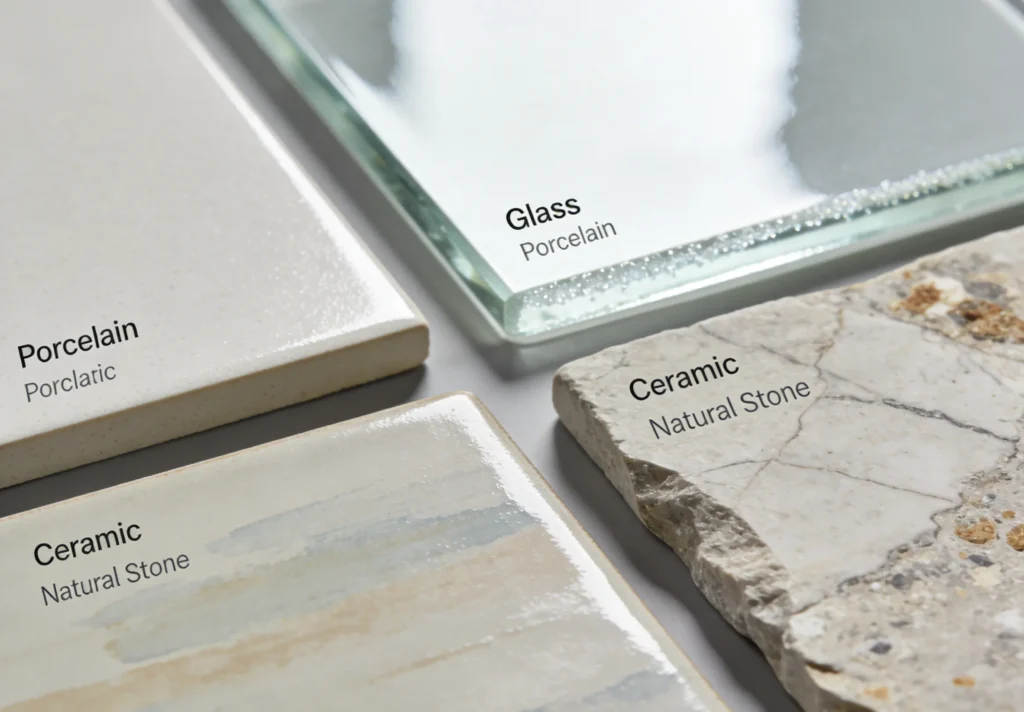
| Material | Pros | Cons | Best For |
|---|---|---|---|
| Porcelain | Stain-resistant, waterproof, low-maintenance | Heavier to install | Busy kitchens, families |
| Glass | Non-porous (no stains), easy to clean, bright | Prone to scratches, expensive | Modern kitchens, accent walls |
| Ceramic | Affordable, wide color options | Less durable than porcelain | Budget remodels, low-traffic kitchens |
| Natural Stone | Luxurious look, unique texture | Needs sealing (every 6–12 months) | High-end kitchens, homeowners willing to maintain |
Installation Tips for Kitchen Backsplash Tile
Avoid common mistakes with these expert steps:
- Measure Twice: Account for outlets, windows, and stove cutouts—cut tiles precisely to avoid gaps.
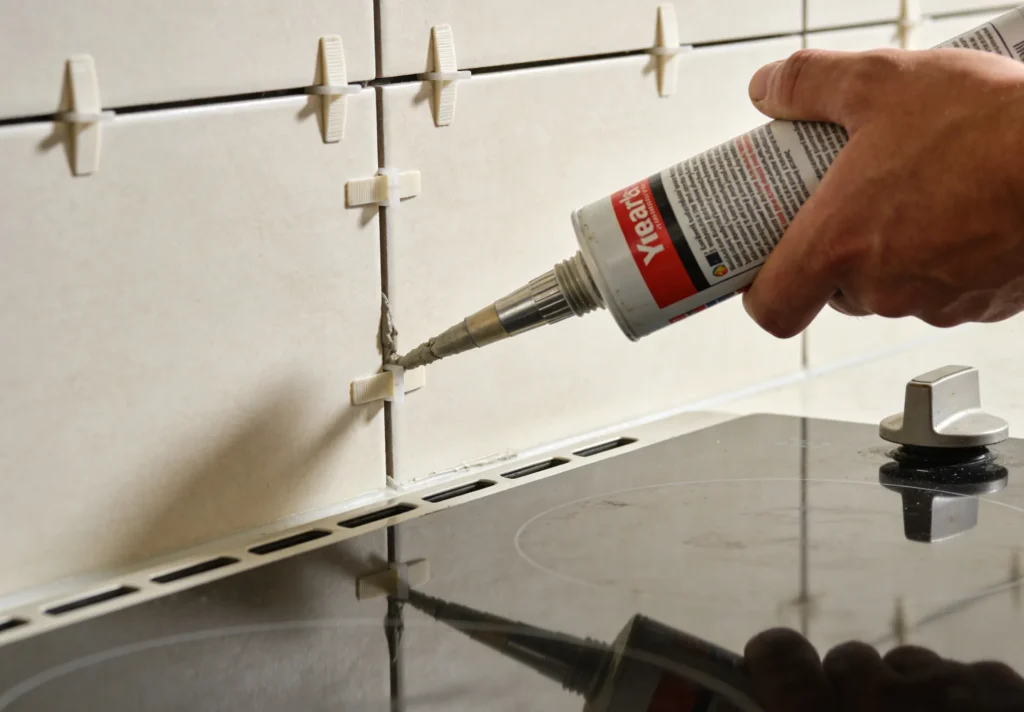
- Use Heat-Resistant Adhesive: For backsplashes behind stoves, choose adhesive rated for high temperatures (prevents tile peeling).
- Seal Grout: Even with waterproof tiles, seal grout lines to block oil and food stains (re-seal yearly).
2.6 How to Maintain Kitchen Backsplash Tile
Keep your backsplash looking new with simple care:
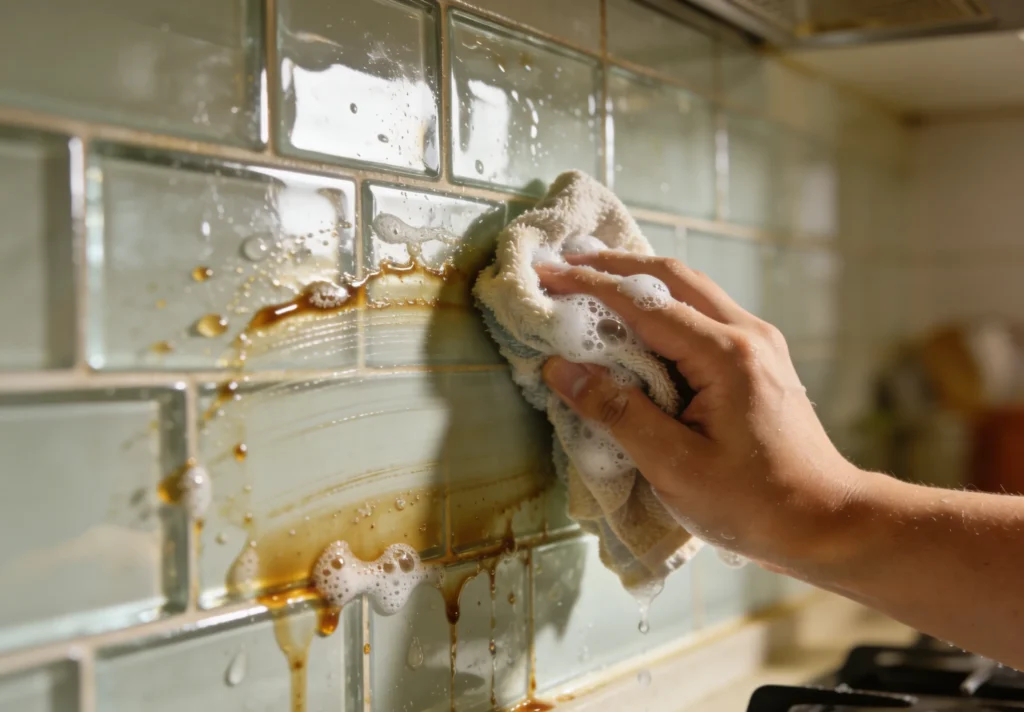
- Daily Wiping: Wipe oil splatters with a damp cloth and mild dish soap (don’t let oil dry on tiles).
- Monthly Deep Clean: Use a grout brush and non-abrasive cleaner to scrub grout lines (avoid bleach that fades grout).
- Seal Annually: For natural stone or grout, reapply sealer once a year to maintain stain resistance.
2.7 Conclusion
Kitchen backsplash tile is an investment in both function and style. By choosing the right material, pairing it with your countertops, and following proper installation and maintenance, it can protect your kitchen and enhance its design for years. Whether you prefer classic subway tiles or trendy mosaics, the key is to balance beauty with practicality.