Introduction: The Timeless Charm of Subway Tile
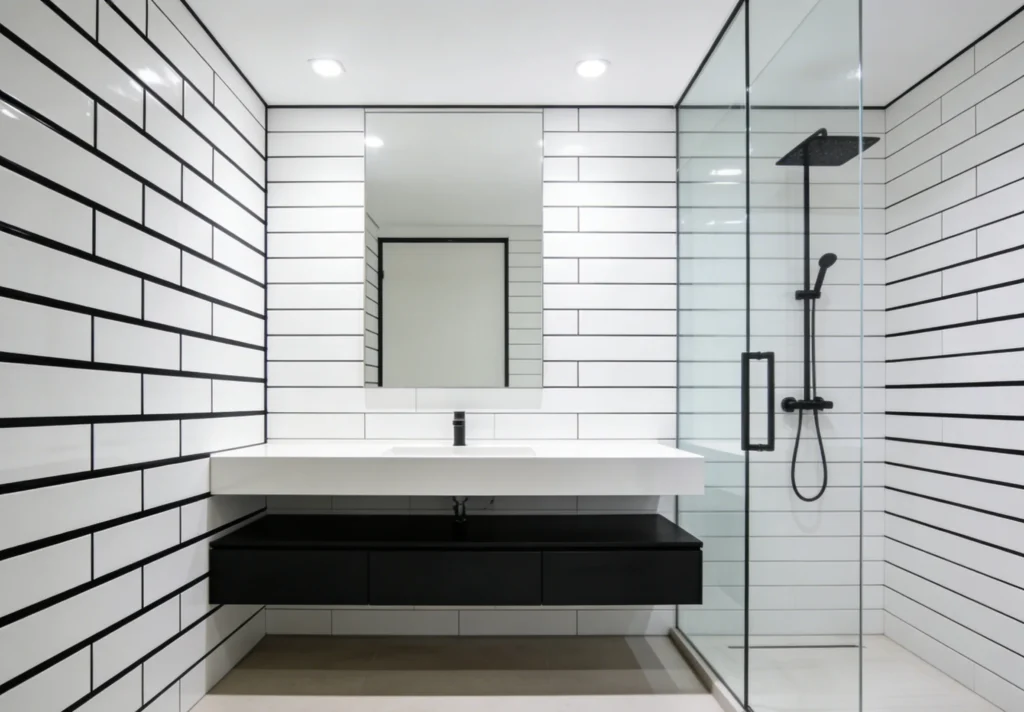
Subway tile—originally used in 1900s New York City subways—remains a beloved choice for home design, thanks to its simple rectangular shape (typically 3×6 inches) and versatility. It blends seamlessly with modern, traditional, and coastal styles, offering a clean, fresh look that never goes out of trend. Whether you’re updating a backsplash or accent wall, subway tile adds understated elegance without overwhelming your space.
Top 4 Uses for Subway Tile in Homes
Subway tile isn’t just for kitchens—its adaptability makes it perfect for multiple spaces:
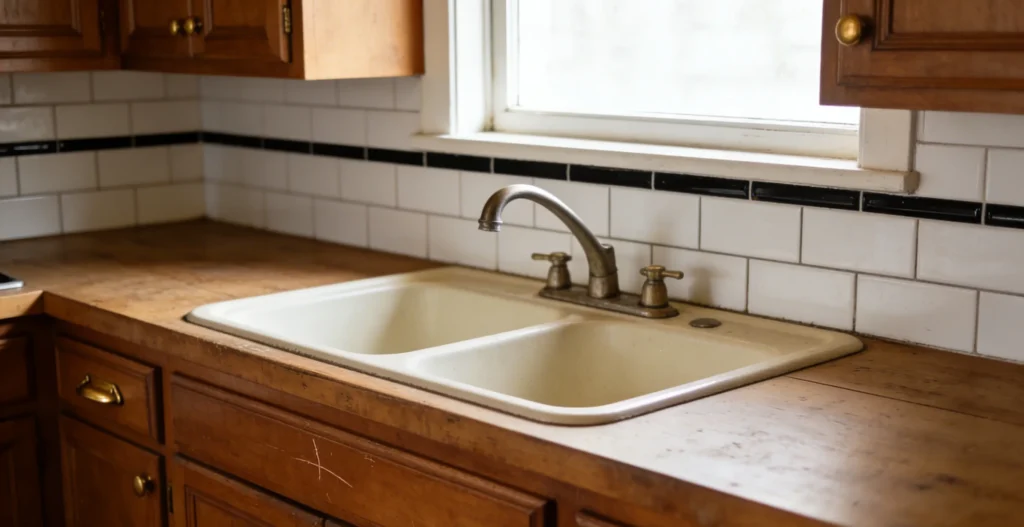
- Kitchen Backsplashes: The most popular use—protects walls from oil splatters while pairing with quartz, granite, or wooden countertops.
- Bathroom Walls/Showers: Waterproof and easy to clean, it creates a spa-like vibe (try vertical stacking for height in small bathrooms).
- Accent Walls: Use colored or patterned subway tile (e.g., navy blue, herringbone layout) for a focal point in living rooms or bedrooms.
- Fireplace Surrounds: White subway tile around a fireplace adds warmth and contrast to wooden mantels or stone hearths.

How to Choose Subway Tile: Color, Size & Grout
Small choices make a big difference—here’s how to customize your subway tile:
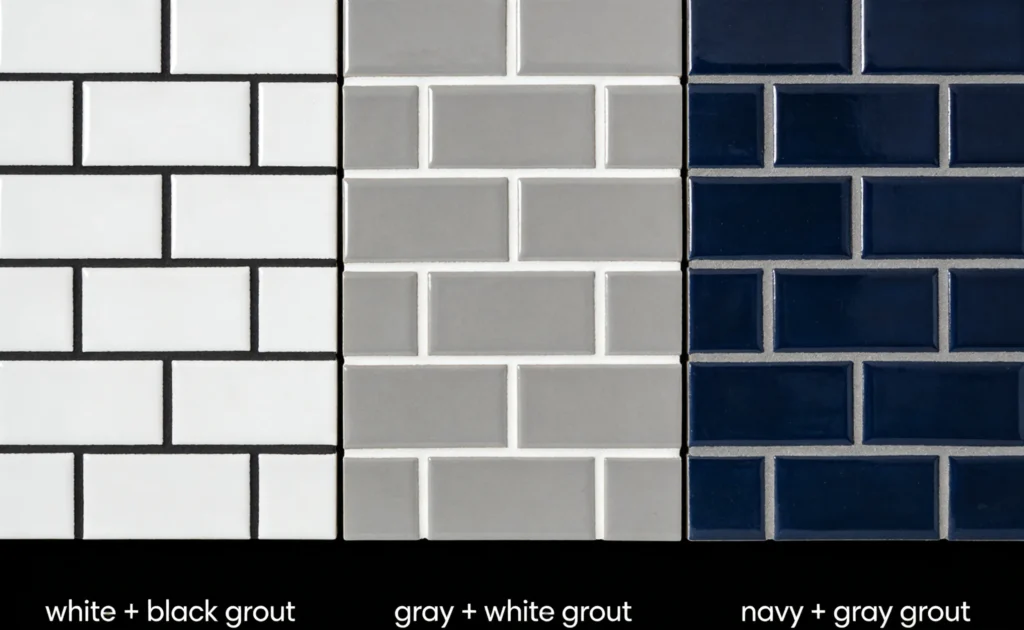
- Color: White is classic, but soft grays, navy, or sage green add personality; avoid overly bright hues for long-term appeal.
- Size: Stick to 3×6 inches for tradition, or try 4×8 inches for a modern twist; larger sizes reduce grout lines.
- Grout Color: Black grout creates bold contrast (trendy for modern spaces), while white grout offers a subtle, clean look; gray grout hides dirt best.
Step-by-Step Subway Tile Installation Guide
DIY-friendly with the right steps—follow these to avoid mistakes:
- Prepare the Surface: Clean walls thoroughly, repair cracks, and apply a backer board (required for wet areas like showers).
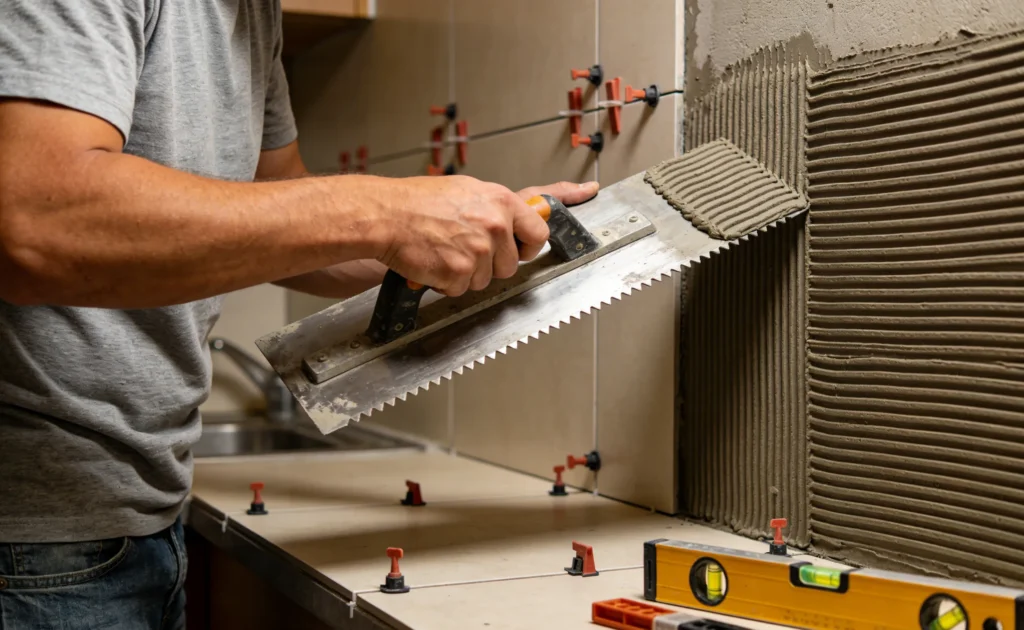
- Layout the Tile: Dry-fit tiles to plan spacing (use spacers for even grout lines); start from the center to avoid small, uneven cuts at edges.
- Apply Adhesive: Use a notched trowel to spread tile adhesive—work in small sections to prevent it from drying.
- Set & Grout: Press tiles firmly into adhesive, let dry 24 hours, then apply grout with a rubber float; wipe excess with a damp sponge.
- Seal (Optional): For bathrooms or kitchens, seal grout lines to resist stains and moisture.
Subway Tile Maintenance Tips
Keep your subway tile looking new with minimal effort:
- Daily Cleaning: Wipe kitchen backsplashes with a damp cloth and mild soap to remove oil; bathroom tiles can be cleaned with a non-abrasive bathroom cleaner.
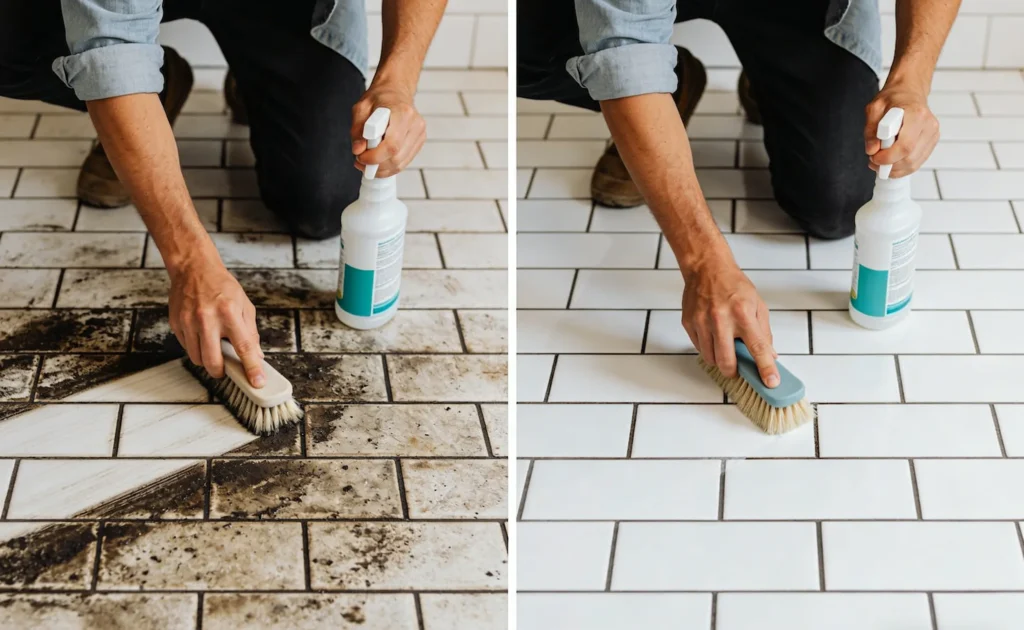
- Grout Care: Scrub grout lines monthly with a soft brush and grout cleaner—black grout may fade over time, so avoid harsh chemicals.
- Stain Removal: For tough stains (e.g., coffee, grease), make a paste of baking soda and water, let sit 10 minutes, then wipe clean.
Conclusion
Subway tile’s enduring popularity comes from its simplicity, versatility, and affordability. Whether you’re a DIYer or hiring a pro, it’s easy to install, maintain, and customize to fit your style. From classic white backsplashes to bold accent walls, subway tile proves that timeless design doesn’t have to be boring—it can be both functional and beautiful for years to come.