Introduction: The Luxury of Marble Tile
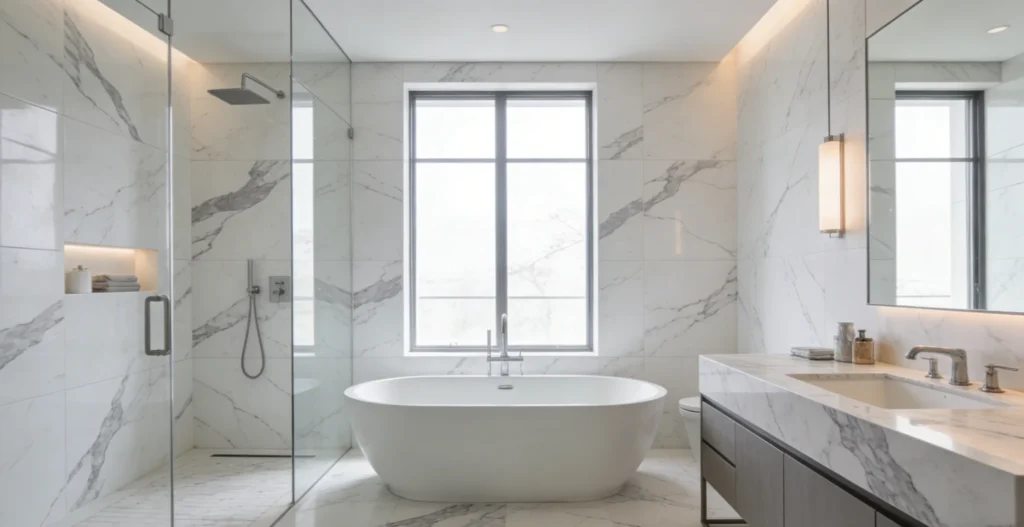
Marble tile is synonymous with elegance, thanks to its unique veining, natural color variations, and smooth texture. Formed from limestone heated under pressure, it brings a high-end, timeless look to any space—whether you’re upgrading a kitchen countertop or a bathroom wall. While it requires more care than ceramic or porcelain, its ability to elevate home design makes it a favorite for homeowners seeking luxury.
Top 4 Uses for Marble Tile in Homes
Marble tile shines in both functional and decorative spaces—here are its most popular applications:
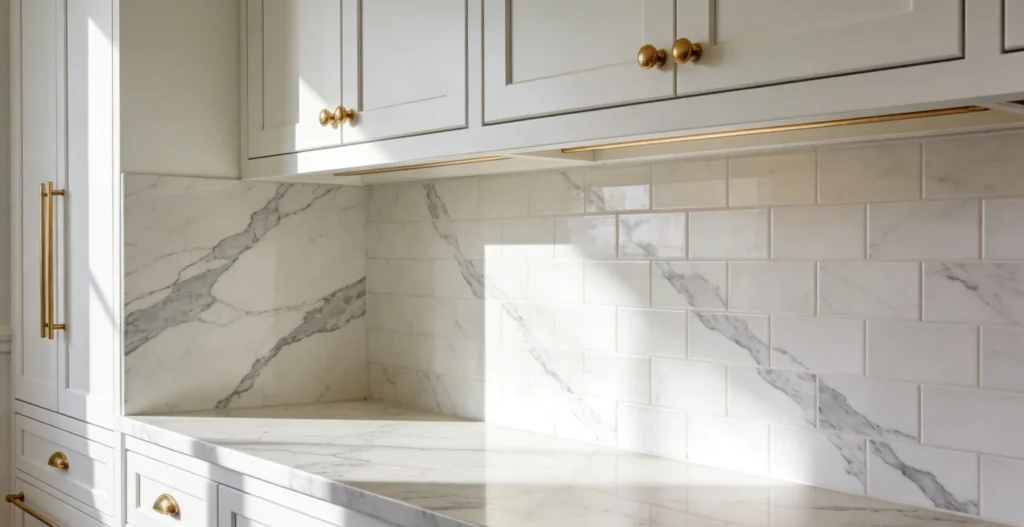
- Kitchen Countertops: Adds a sophisticated focal point; pair with neutral backsplashes (e.g., subway tile) to let veining stand out.
- Bathroom Walls/Showers: Creates a spa-like ambiance; use polished marble for walls or matte for floors (slip-resistant).
- Foyer Floors: Makes a grand first impression—large-format marble tiles with subtle veining work best for open entryways.
- Fireplace Surrounds: Enhances warmth and elegance; white or gray marble complements wooden mantels and neutral walls.

How to Choose Marble Tile: Key Considerations
Selecting marble tile requires balancing beauty and practicality—follow these tips:
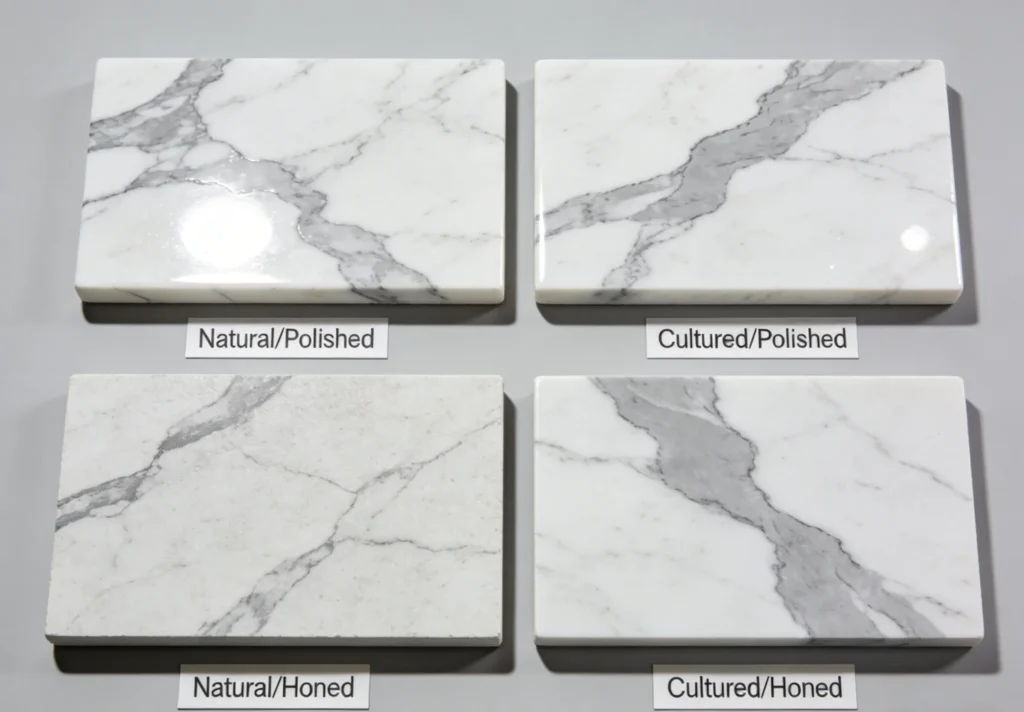
- Natural vs. Cultured Marble: Natural marble has unique veining but is porous; cultured marble (man-made) is more durable and affordable (ideal for budgets).
- Color & Veining: White marble with gray veining is classic; black or green marble adds boldness. Choose subtle veining for small spaces (avoids clutter).
- Finish: Polished marble (shiny) works for walls/countertops; honed (matte) or tumbled (textured) is better for floors (reduces slips).
Marble Tile Installation Tips (Critical Steps)
Marble’s weight and porosity require careful installation—hire a pro for best results:
- Reinforce the Substrate: Marble is heavy (20–30 lbs/sq ft); ensure floors/walls have strong support (e.g., cement board for bathrooms).
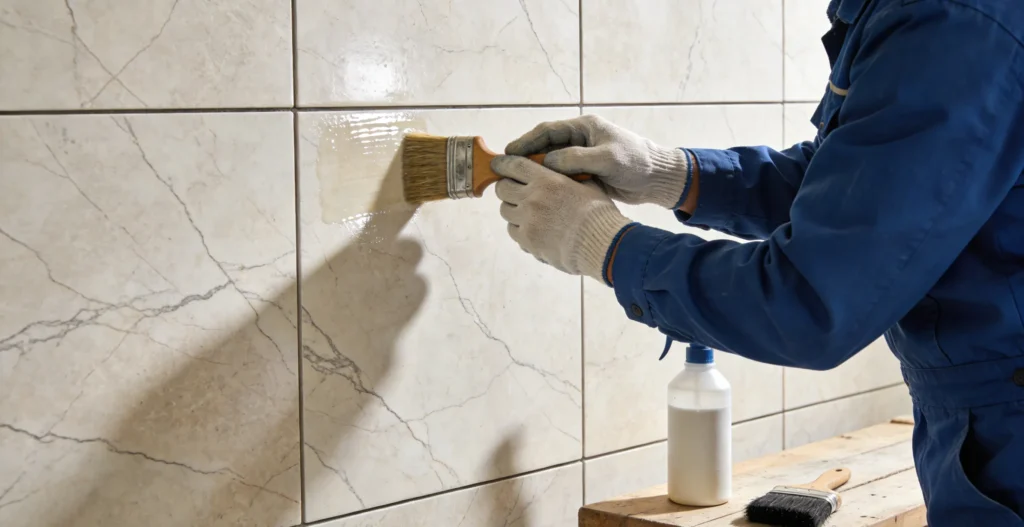
- Seal Before Installation: Apply a penetrating sealer to natural marble—prevents adhesive from staining the tile during installation.
- Use Non-Staining Mortar: Choose white thinset mortar (colored mortar can bleed into porous marble and ruin its look).
How to Maintain Marble Tile (Avoid Common Damage)
Marble tile needs regular care to preserve its beauty—follow these rules:
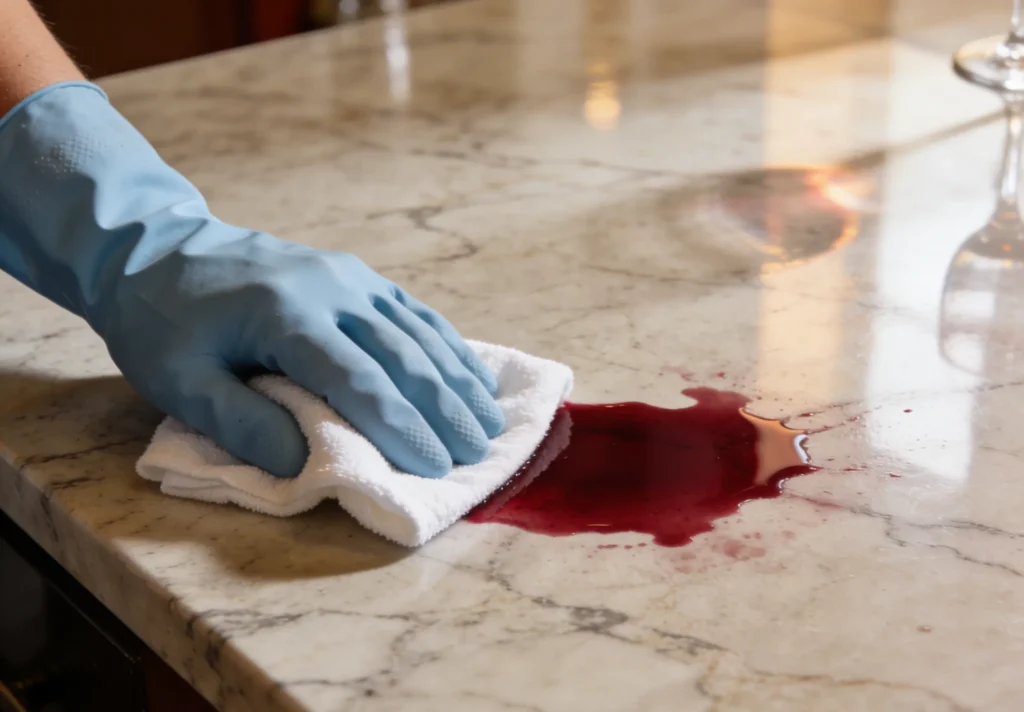
- Seal Annually: Natural marble is porous—reapply penetrating sealer once a year to block stains (e.g., coffee, wine, oil).
- Clean Gently: Use a pH-neutral cleaner (avoid vinegar, lemon, or bleach—acids etch marble). Wipe spills immediately with a soft cloth.
- Prevent Scratches: Use coasters under glasses, cutting boards on countertops, and furniture pads under heavy items (marble scratches easily).
Conclusion
Marble tile is an investment in luxury that pays off with timeless style. While it requires more care than other tiles, its unique beauty and ability to elevate any space make it worth it. Whether you choose natural or cultured marble, proper selection, installation, and maintenance will keep it looking elegant for decades.