Introduction: The Geometric Charm of Hexagonal Tile
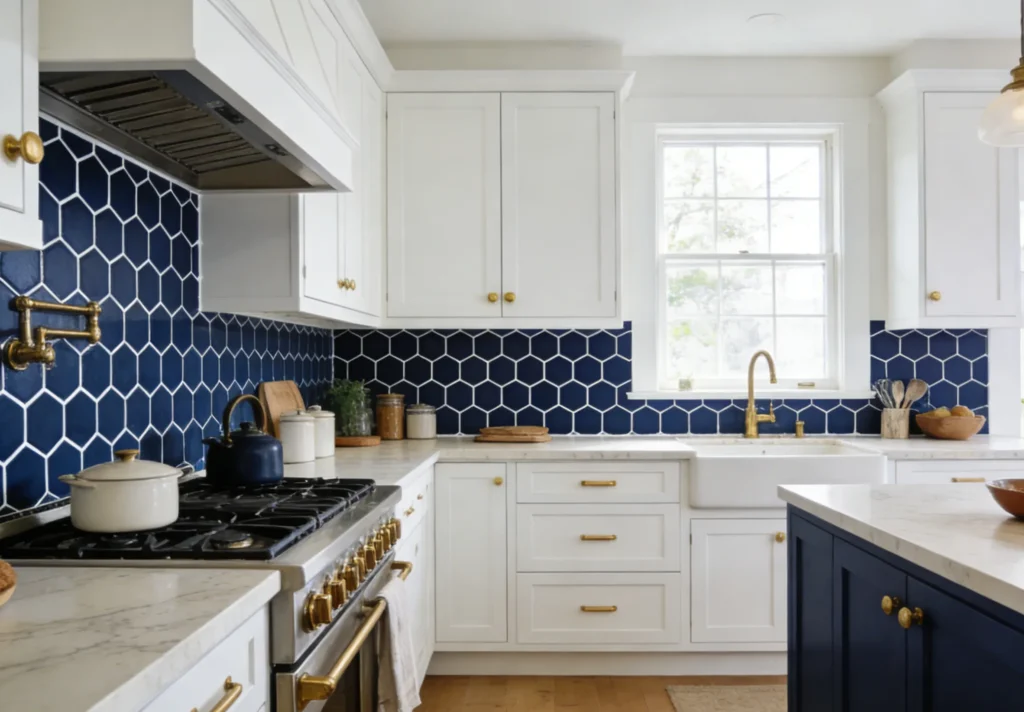
Hexagonal tile—with its six-sided shape—has become a top trend in home design, thanks to its ability to add visual interest without feeling overwhelming. Unlike rectangular tiles, its unique geometry creates soft, flowing patterns that work in modern, bohemian, or coastal styles. Whether used as a small accent or full floor covering, it brings a fresh, contemporary vibe to any space while remaining versatile enough for long-term appeal.
Top 4 Uses for Hexagonal Tile in Homes
Hexagonal tile’s flexibility makes it perfect for both functional and decorative spaces:
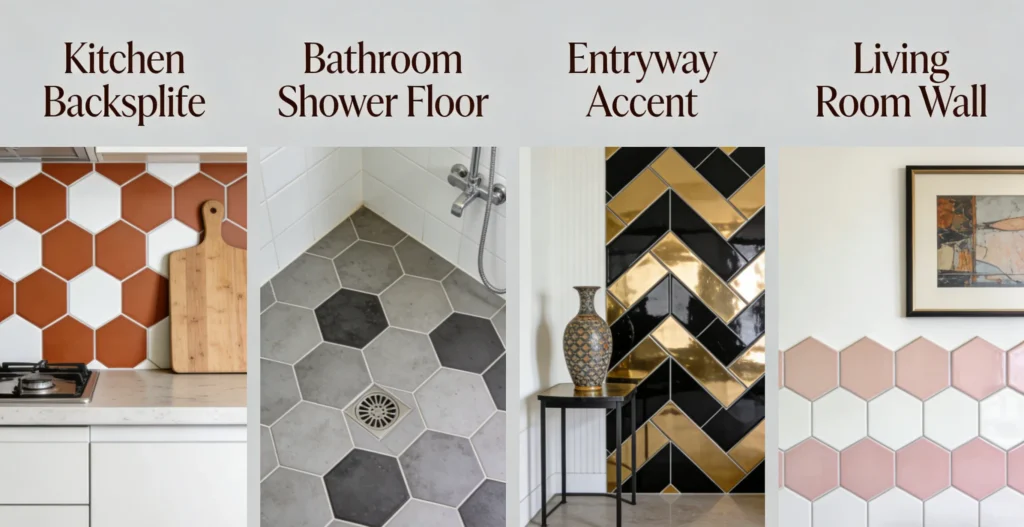
- Kitchen Backsplashes: Small hexagonal mosaics (1–2 inches) in neutral or bold colors (e.g., navy, terracotta) add texture behind stoves or sinks.
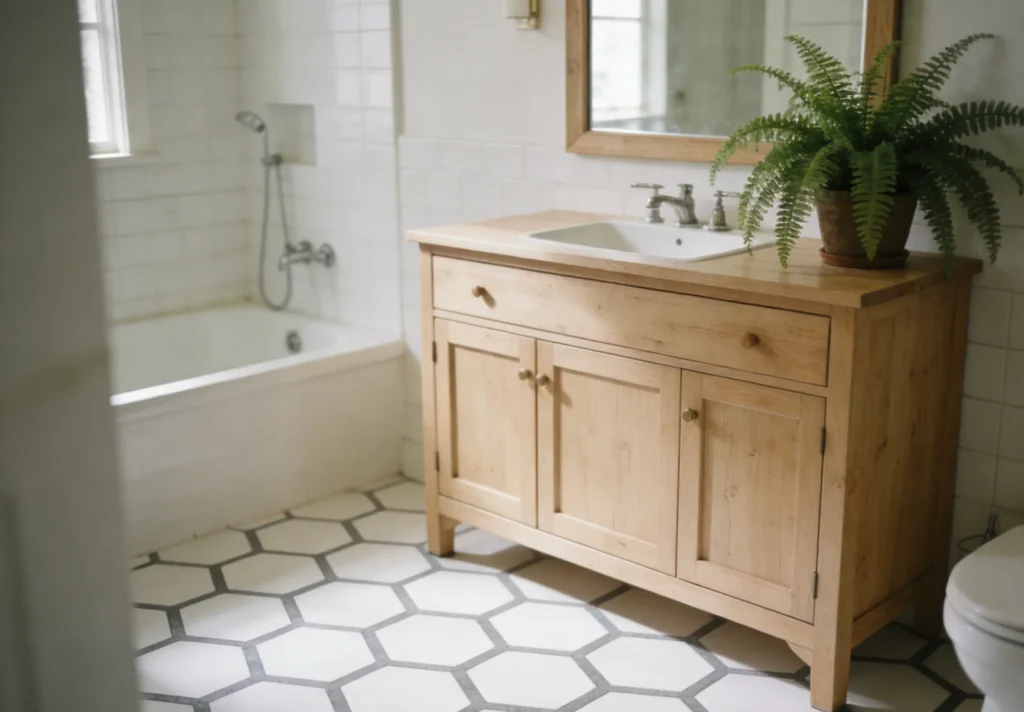
- Bathroom Floors/Showers: Matte hexagonal tiles (3–6 inches) are slip-resistant, making them ideal for shower floors; light colors brighten small bathrooms.
- Entryway Accents: A hexagonal tile “rug” (contrasting color with surrounding flooring) defines entry spaces and hides dirt from shoes.
- Wall Art/Accent Walls: Large hexagonal tiles (8–12 inches) in muted tones (beige, soft gray) create a subtle accent wall in living rooms or bedrooms.
How to Choose Hexagonal Tile: Size, Color & Material
Pick the right hexagonal tile by focusing on these key factors:
- Size: Small tiles (1–3 inches) work for backsplashes/mosaics; medium (4–6 inches) for floors; large (8+ inches) for walls (avoids busy patterns).
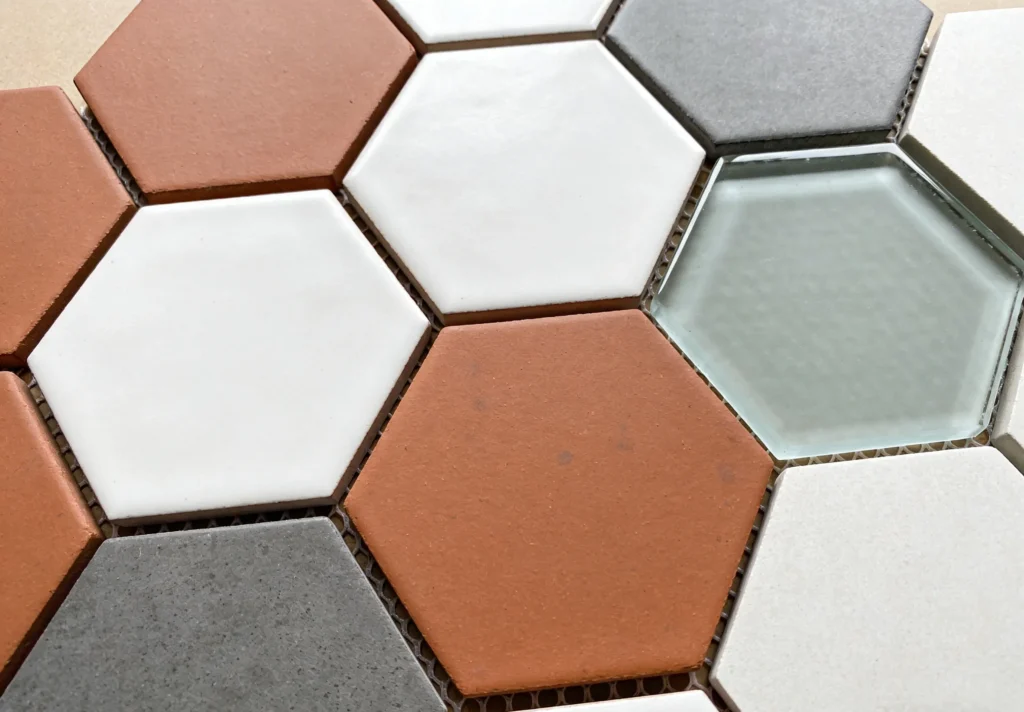
- Color: Neutral tones (white, gray, beige) blend with existing decor; bold colors (emerald, terracotta) work as accents (use sparingly to avoid clashing).
- Material: Ceramic/porcelain (affordable, easy to clean) for high-traffic areas; glass (shiny, non-porous) for backsplashes; natural stone (slate, marble-look) for luxury.
Hexagonal Tile Installation Tips (Avoid Pattern Mistakes)
Hexagonal tile’s shape requires careful layout—follow these steps for a clean look:
- Dry-Fit First: Lay tiles without adhesive to test the pattern (e.g., “offset” for a honeycomb look or “aligned” for a grid) and adjust spacing.
- Use the Right Grout: Narrow grout lines (1/8 inch) keep the focus on the tile shape; contrast grout (black with white tile) emphasizes geometry.
- Hire a Pro for Large Areas: For full floors/walls, a professional can ensure even spacing—DIYers may struggle with consistent alignment.

Maintenance Tips for Hexagonal Tile
Keep hexagonal tile looking sharp with simple upkeep (varies by material):
- Ceramic/Porcelain: Wipe floors with a damp cloth and mild cleaner; scrub grout monthly with a soft brush (avoid abrasive tools).
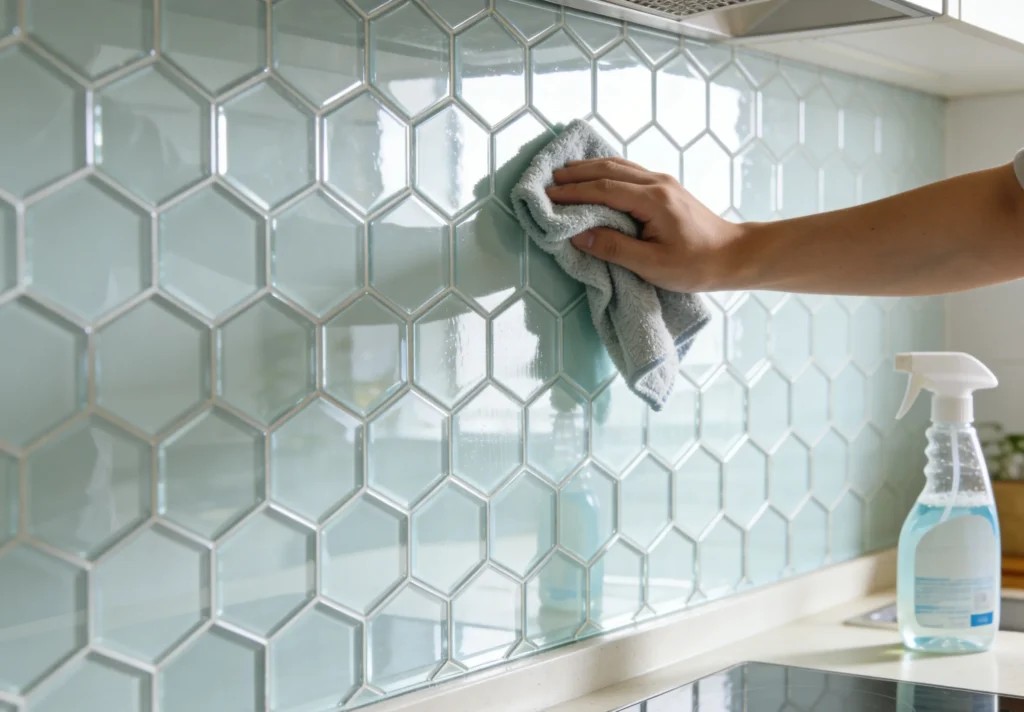
- Glass: Clean with glass cleaner to remove fingerprints; dry immediately to prevent water spots.
- Natural Stone: Seal yearly to resist stains; use pH-neutral cleaner (acids like vinegar can damage stone).
Conclusion
Hexagonal tile is more than a trend—it’s a versatile design choice that adds character to any home. By choosing the right size, color, and material, and following proper installation and maintenance, it can elevate kitchens, bathrooms, or entryways for years. Whether you prefer a subtle accent or bold statement, its geometric charm balances style and functionality perfectly.