Introduction: The Colorful Appeal of Glass Mosaic Tile
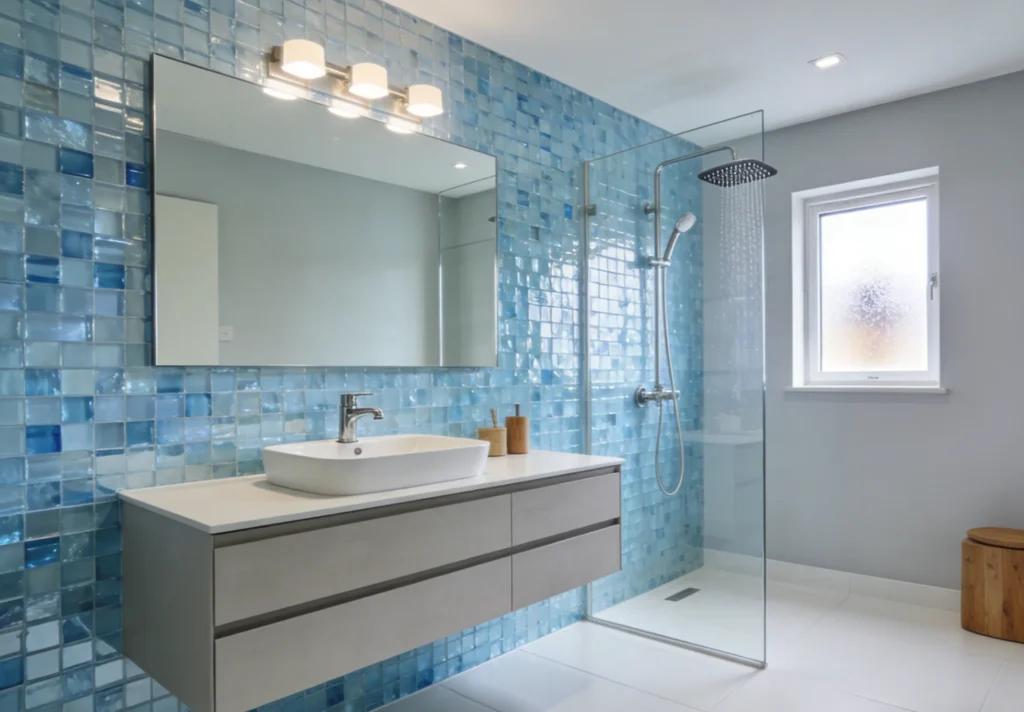
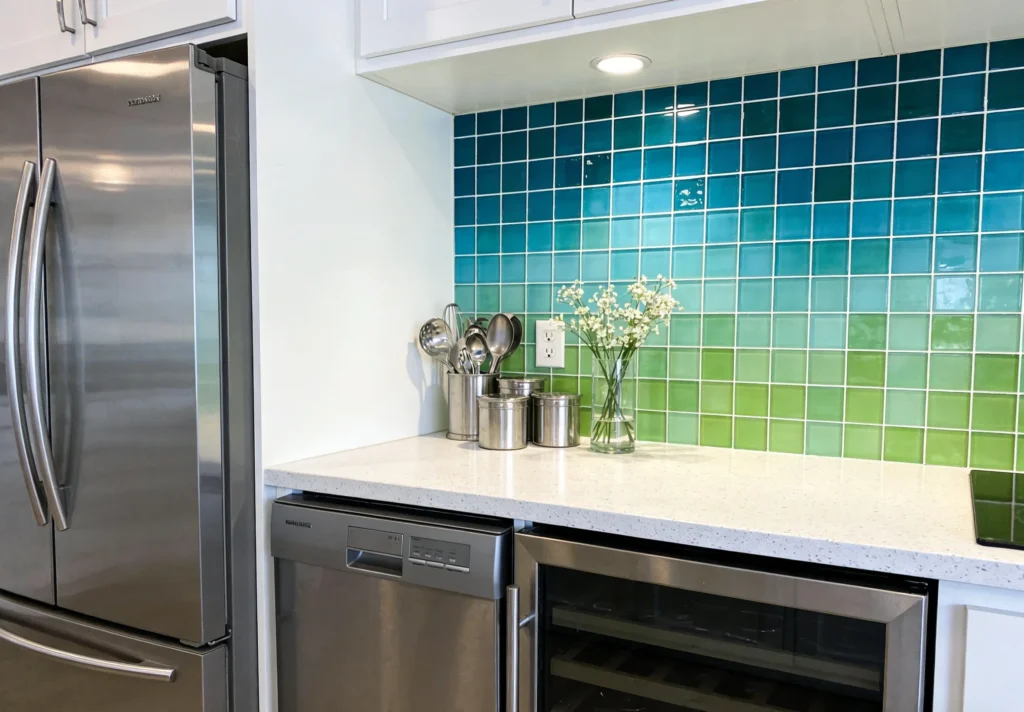
Glass mosaic tile—small, translucent or opaque glass pieces (usually 1×1 to 2×2 inches)—is a go-to for adding texture and color to home design. Unlike solid tiles, its tiny size lets you create custom patterns (e.g., gradients, geometric shapes) or blend hues for a unique look. It’s non-porous (resists stains and moisture) and reflects light, making it perfect for brightening small spaces like bathrooms or kitchen backsplashes.
Top 4 Uses for Glass Mosaic Tile in Homes
Glass mosaic tile’s versatility shines in decorative and functional spaces:
- Kitchen Backsplashes: Create a focal point behind stoves or sinks—use bold colors (red, teal) for a pop or neutral tones (white, gray) for subtlety.
- Bathroom Shower Walls: Translucent glass mosaic reflects light, making showers feel bigger; pair with matte floor tiles for slip resistance.
- Accent Walls: Add a mosaic “strip” (e.g., above a fireplace or bedroom headboard) to break up plain paint and add visual interest.
- Furniture Makeovers: Cover small surfaces (e.g., dresser drawers, mirror frames) with mosaic tile to refresh old furniture without replacing it.
How to Choose Glass Mosaic Tile: Key Tips
Pick the right glass mosaic tile to match your space and style:
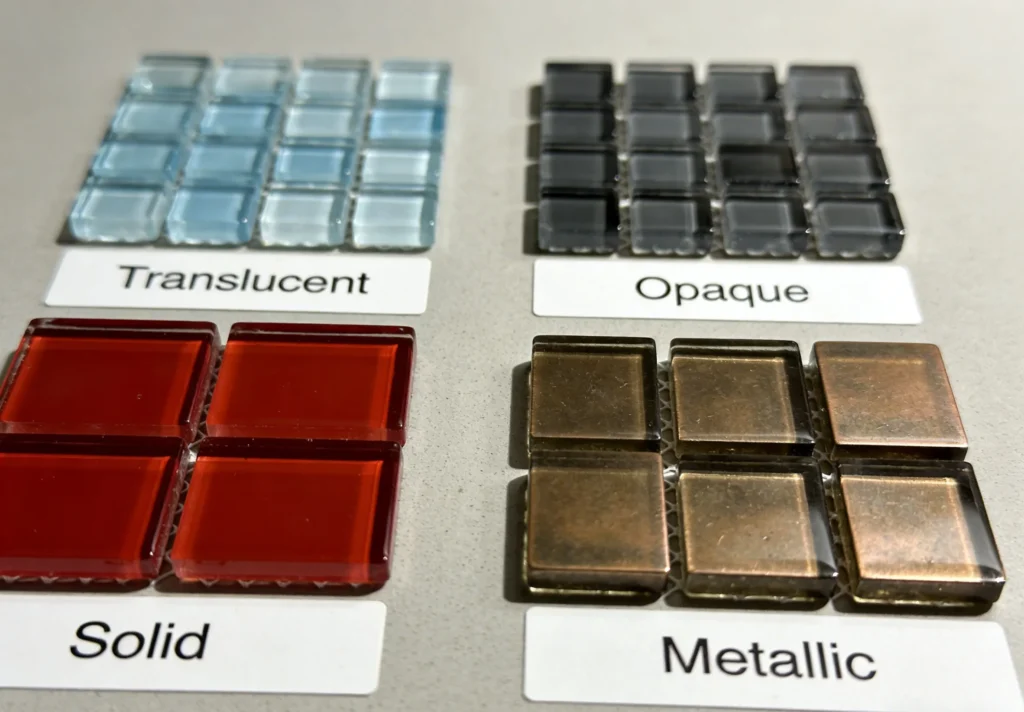
- Opacity: Translucent glass reflects more light (great for dark bathrooms); opaque glass hides wall imperfections (ideal for uneven backsplash surfaces).
- Color & Pattern: Solid-color mosaics work for modern spaces; mixed-hue or metallic accents (gold, silver) add luxury (use sparingly to avoid clutter).
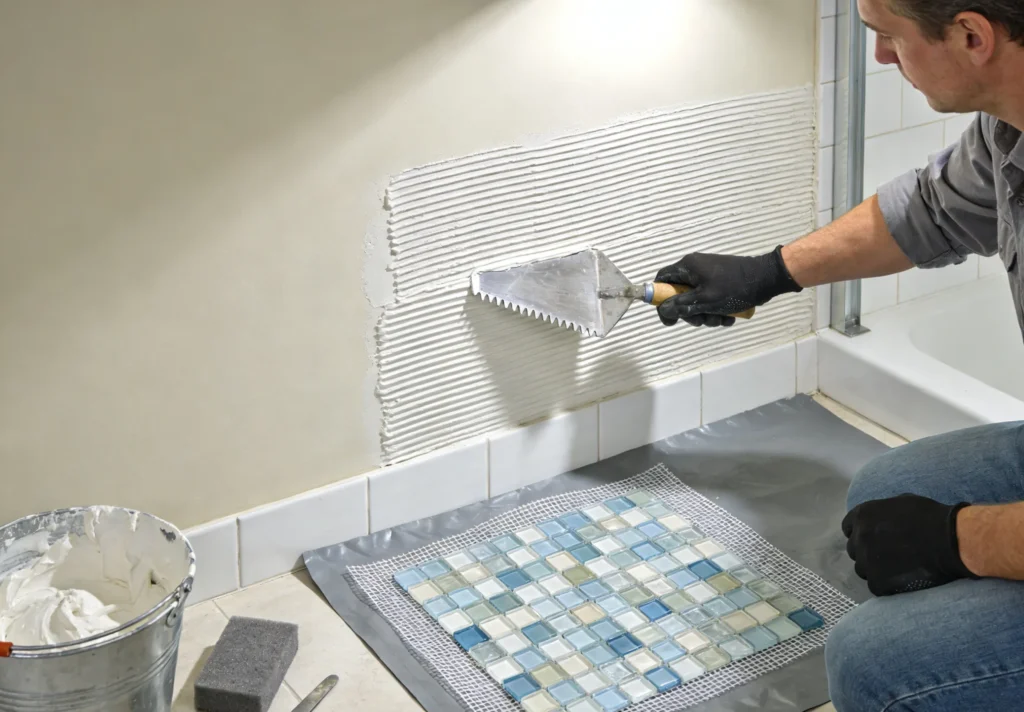
- Backing Type: Mesh-backed mosaics (tiles attached to a mesh sheet) are easier to install (saves time aligning tiny tiles); individual tiles are better for custom patterns.
Glass Mosaic Tile Installation Tips (DIY-Friendly)
While small, glass mosaic tile is manageable with the right steps:
- Prepare the Wall: Ensure surfaces are clean, dry, and smooth—fill cracks with spackle (uneven walls can cause tiles to pop off).
- Use the Right Adhesive: Choose white thinset mortar (colored mortar may show through translucent glass); apply a thin layer with a small-notched trowel.
- Grout Carefully: Use unsanded grout (sanded grout can scratch glass); wipe excess grout immediately with a damp sponge (dried grout is hard to remove from glass).
How to Maintain Glass Mosaic Tile
Glass mosaic tile is low-maintenance—follow these rules to keep it shiny:
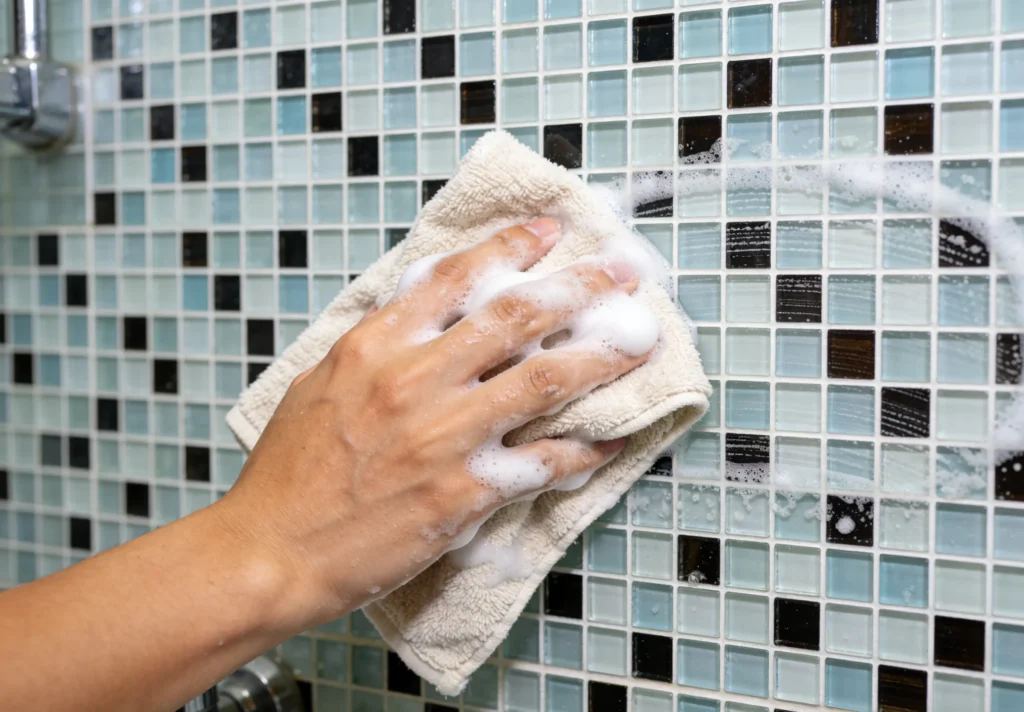
- Daily Cleaning: Wipe with a damp cloth and mild dish soap (avoids soap scum buildup on bathroom tiles).
- Avoid Scratches: Don’t use abrasive sponges or cleaners (can dull glass); use a soft microfiber cloth for wiping.
- Tackle Hard Water Stains: For bathroom tiles, mix equal parts water and white vinegar (test on a hidden tile first) to remove mineral deposits.
Conclusion
Glass mosaic tile is a creative way to add color, texture, and light to any home. Its non-porous, easy-to-clean nature makes it practical for kitchens and bathrooms, while its tiny size lets you customize patterns to match your style. Whether you’re a DIYer or hiring a pro, it’s a versatile choice that turns ordinary spaces into eye-catching focal points.