发的所发生的
Introduction: The Unique Beauty of Natural Stone Tile
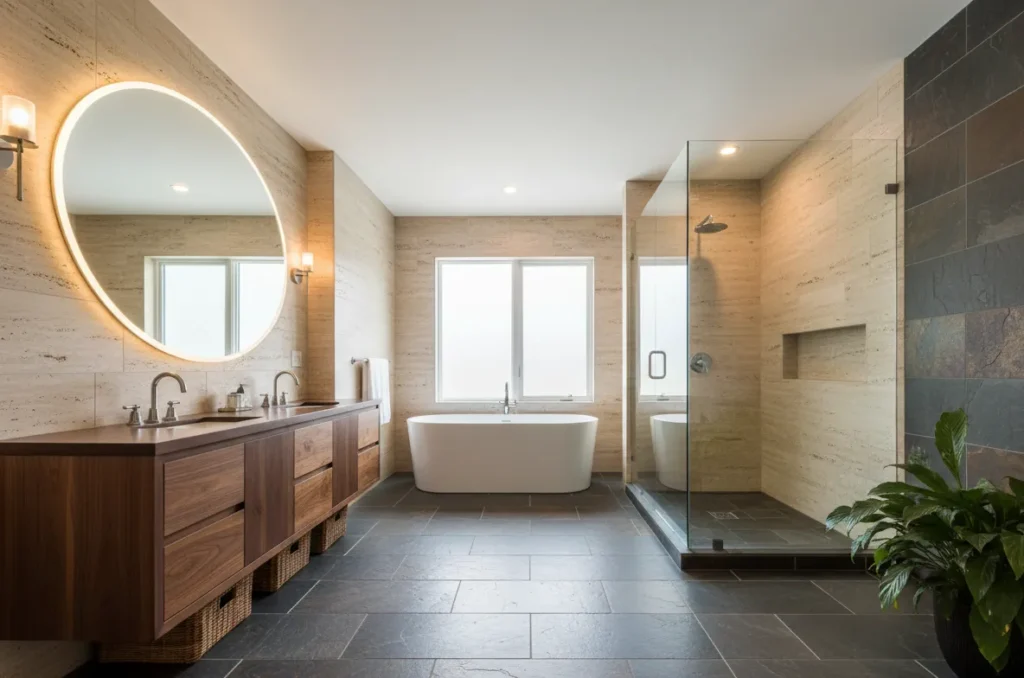
Natural stone tile—harvested from real rock like slate, travertine, and limestone—brings one-of-a-kind texture and luxury to home design. Unlike man-made tiles (ceramic, porcelain), each piece has unique veining, color variations, and natural patterns, making no two installations identical. It’s ideal for homeowners wanting a “high-end, organic” look, though it requires more maintenance than synthetic options. From rustic cottages to modern mansions, it adapts to nearly any style while adding depth and warmth.
Top 4 Types of Natural Stone Tile & Their Best Uses
Different natural stones have unique properties—here’s how to match them to your space:
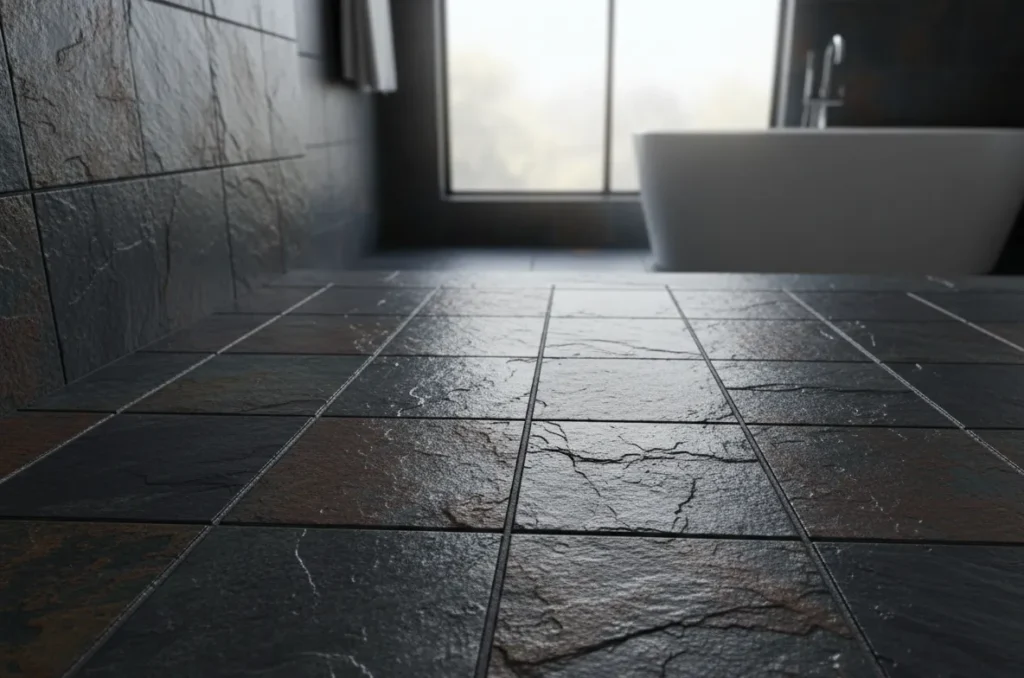
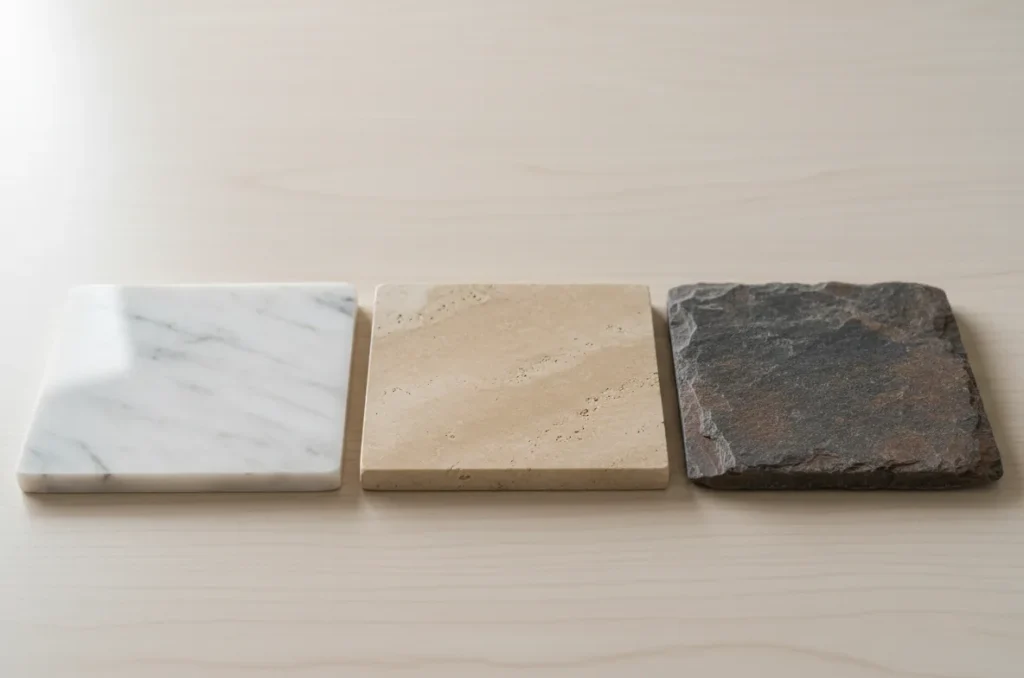
- Slate: Dense, slip-resistant, and dark-toned (gray/black) – perfect for bathroom floors, outdoor patios, or high-traffic entryways (resists scratches).
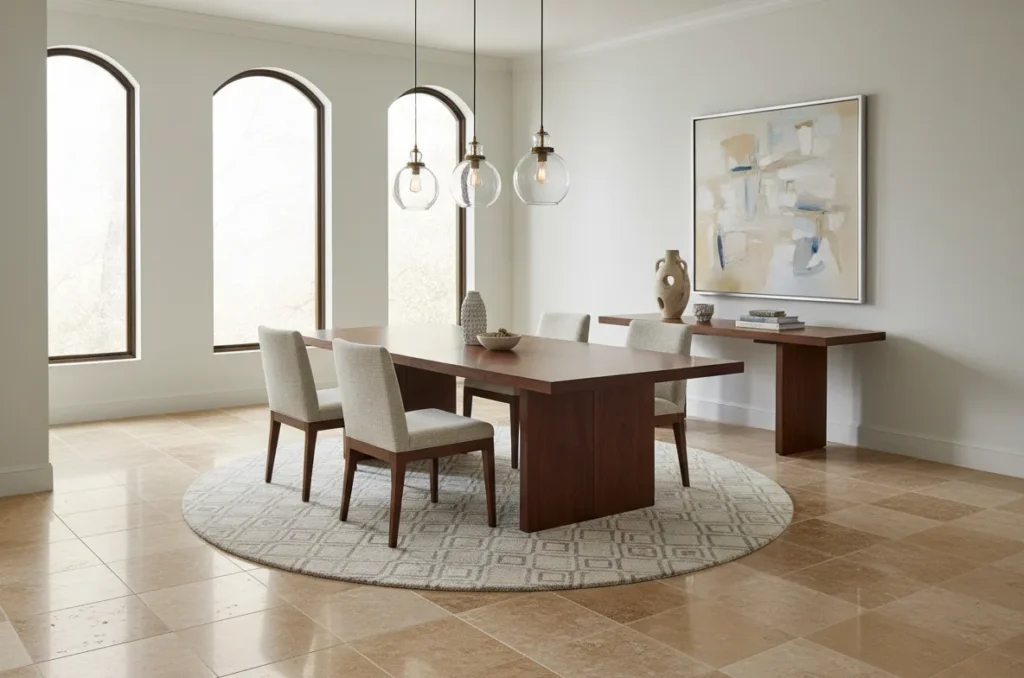
- Travertine: Light beige with porous “holes” (filled during installation) – adds a spa-like vibe to bathrooms/showers or kitchen backsplashes (pair with neutral decor).
- Limestone: Soft, light-colored (white/cream) with subtle grain – ideal for bedrooms or living rooms (softer than slate, avoid high-traffic areas).
- Marble: Luxurious with bold veining (white/gray, black/gold) – works for countertops or fireplace surrounds (needs frequent sealing to prevent stains).
How to Choose Natural Stone Tile: Key Considerations
Selecting natural stone tile requires balancing beauty and practicality—follow these tips:
- Traffic Level: Choose slate for high-traffic areas (entryways/kitchens); limestone/marble for low-traffic (bedrooms/accents).
- Moisture Exposure: Use slate/travertine (dense, less porous) for bathrooms/showers; avoid marble in wet areas (stains easily from water).
- Finish: Polished (shiny, best for dry spaces like living rooms); honed (matte, slip-resistant for bathrooms); tumbled (rustic texture for outdoor patios).
Natural Stone Tile Installation Tips (Pro Recommended)
Natural stone’s weight and porosity require professional installation—here’s what to expect:
- Substrate Prep: Reinforce floors (natural stone is heavier than ceramic) with cement board; ensure walls are level to avoid tile cracking.
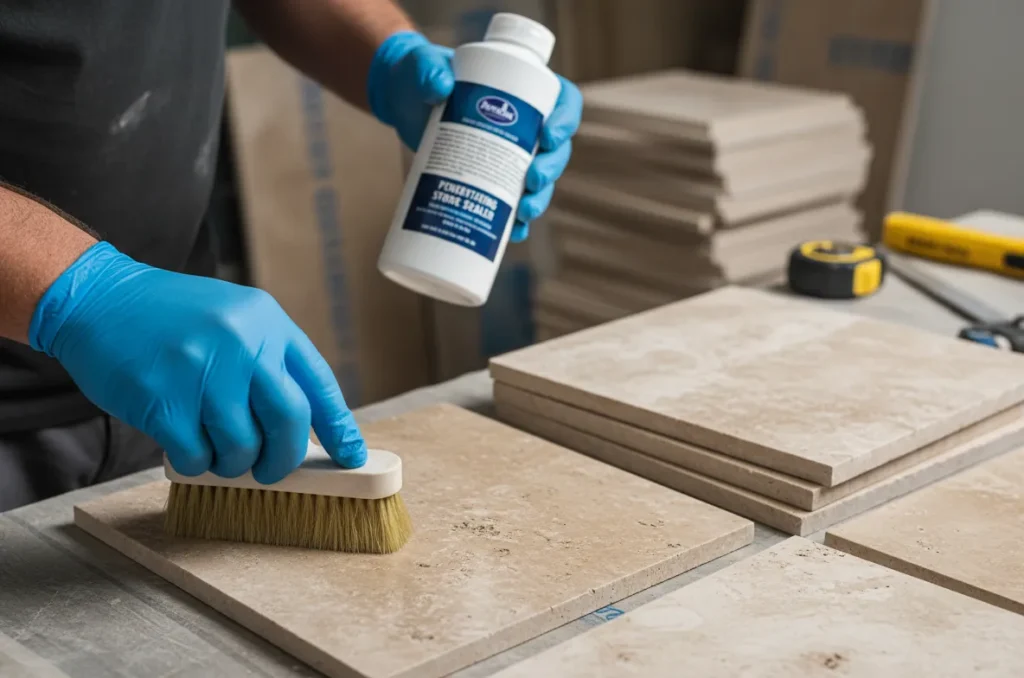
- Seal Before Laying: Apply a penetrating sealer to porous stones (travertine, limestone) – prevents mortar from seeping into pores and causing stains.
- Grout Care: Use sanded grout for large gaps (1/8+ inch) and unsanded for small gaps; match grout color to tile (e.g., beige grout with travertine) for a cohesive look.
How to Maintain Natural Stone Tile (Preserve Its Beauty)
Natural stone tile needs regular care to avoid damage—follow these rules:
- Seal Annually: Reapply penetrating sealer once a year (more often for marble/moist areas) to block stains from oil, wine, or water.
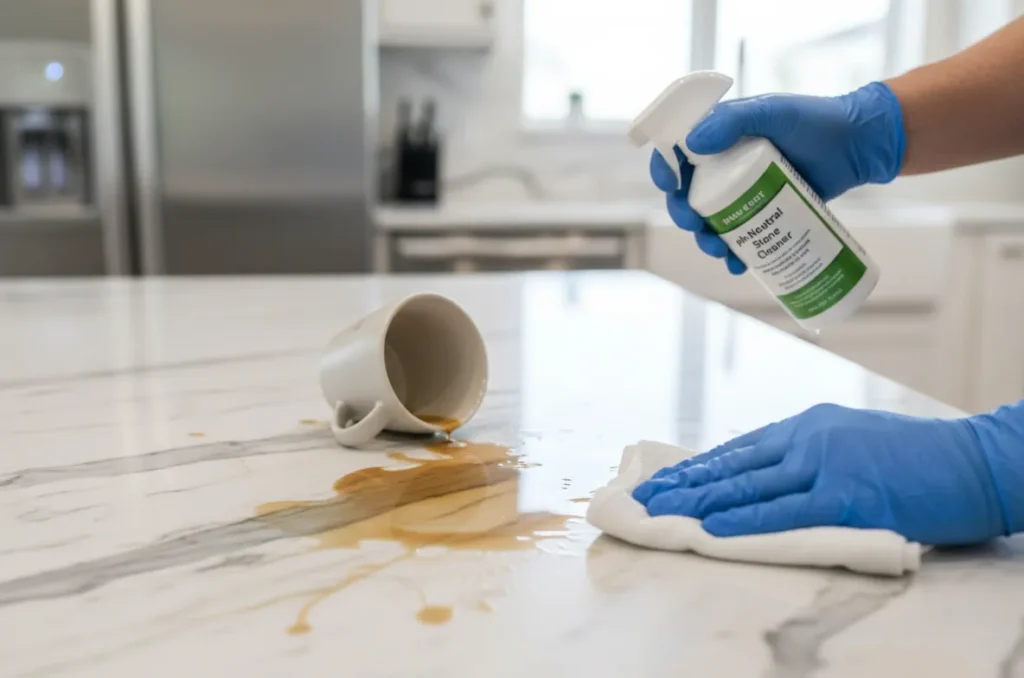
- Clean Gently: Use pH-neutral stone cleaner (avoid vinegar, lemon, or bleach—acids etch stone); wipe spills immediately with a soft cloth.
- Prevent Scratches: Use coasters under glasses, cutting boards on countertops, and furniture pads under heavy items (natural stone scratches easily).
Conclusion
Natural stone tile is an investment in timeless beauty—its unique texture and organic look can’t be replicated by man-made materials. While it requires more maintenance than ceramic or porcelain, its ability to elevate any space makes it worth the effort. By choosing the right stone for your needs, hiring a pro for installation, and keeping up with sealing/cleaning, it will add luxury to your home for decades.