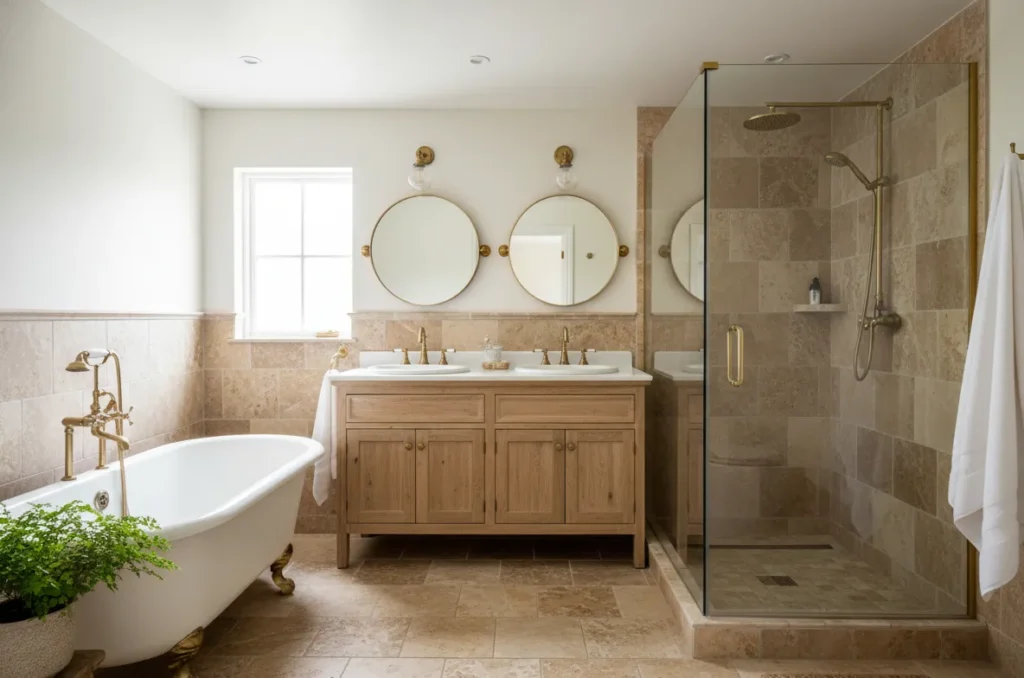
Introduction: The Rustic Charm of Tumbled Stone Tile
Tumbled stone tile stands out for its weathered, organic look—created by tumbling natural stone (like slate, travertine, or limestone) in a machine to soften edges, smooth surfaces, and mimic the “worn-by-time” texture of stone found in nature. It adds warmth and rustic character to spaces, blending seamlessly with farmhouse, coastal, or bohemian styles. Unlike polished stone, its matte finish is slip-resistant, making it practical for both indoor and outdoor use, while its unique texture hides minor scratches or dirt.
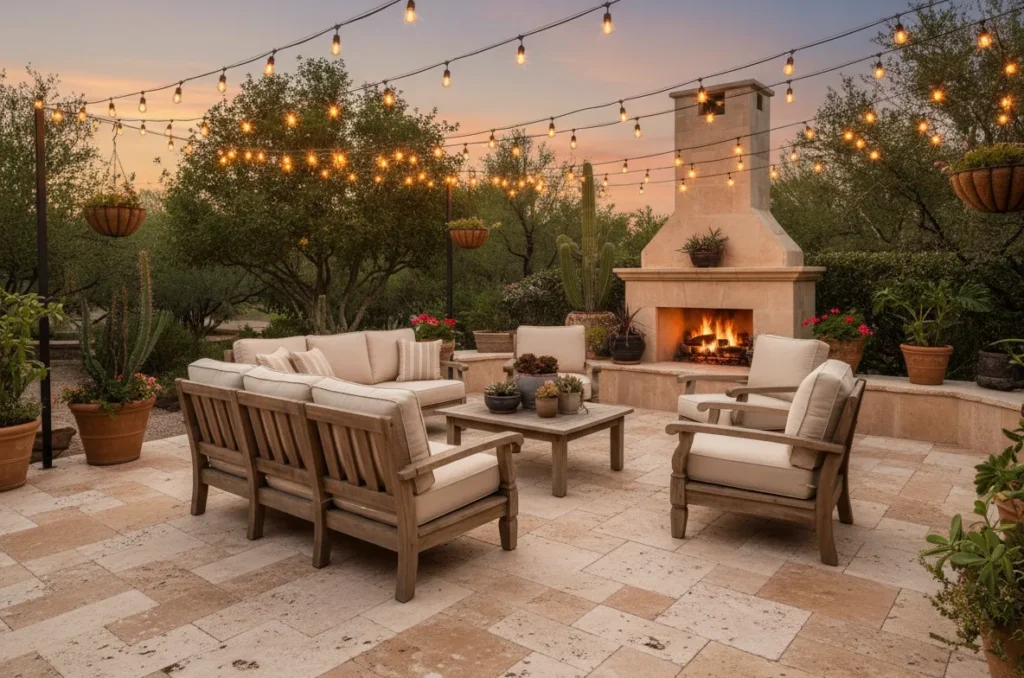
Top 4 Uses for Tumbled Stone Tile in Homes
Tumbled stone tile’s rustic vibe and durability make it perfect for spaces that need “lived-in” charm—here are its most popular applications:
- Bathroom Floors/Showers: Its slip-resistant matte finish is safe for wet areas; tumbled slate or travertine adds a spa-like, natural feel to bathrooms.
- Outdoor Spaces: Patios, walkways, or pool surrounds—tumbled stone resists frost and fading, standing up to harsh weather without losing texture.
- Fireplace Surrounds: Tumbled stone tile (e.g., limestone) frames fireplaces beautifully, adding rustic warmth that complements wood mantels and cozy seating.
- Entryway Floors: Hides dirt from shoes and adds curb appeal; use a mix of neutral tones (beige, gray) to create a welcoming first impression.
How to Choose Tumbled Stone Tile: Key Factors
Not all tumbled stone tiles fit every space—focus on these details to pick the right one:
- Stone Type: Tumbled slate (dark, dense—best for high-traffic/outdoor areas); tumbled travertine (light beige, porous—needs sealing for bathrooms); tumbled limestone (soft cream, gentle texture—ideal for fireplaces/bedrooms).
- Color: Neutral tones (beige, gray, taupe) blend with most decor; earthy hues (terracotta, brown) add warmth to farmhouse-style spaces.
- Size: Small tiles (4×4 inches) work for backsplashes or shower niches; medium (6×6, 8×8 inches) for floors; large (12×12 inches) for patios (faster installation).
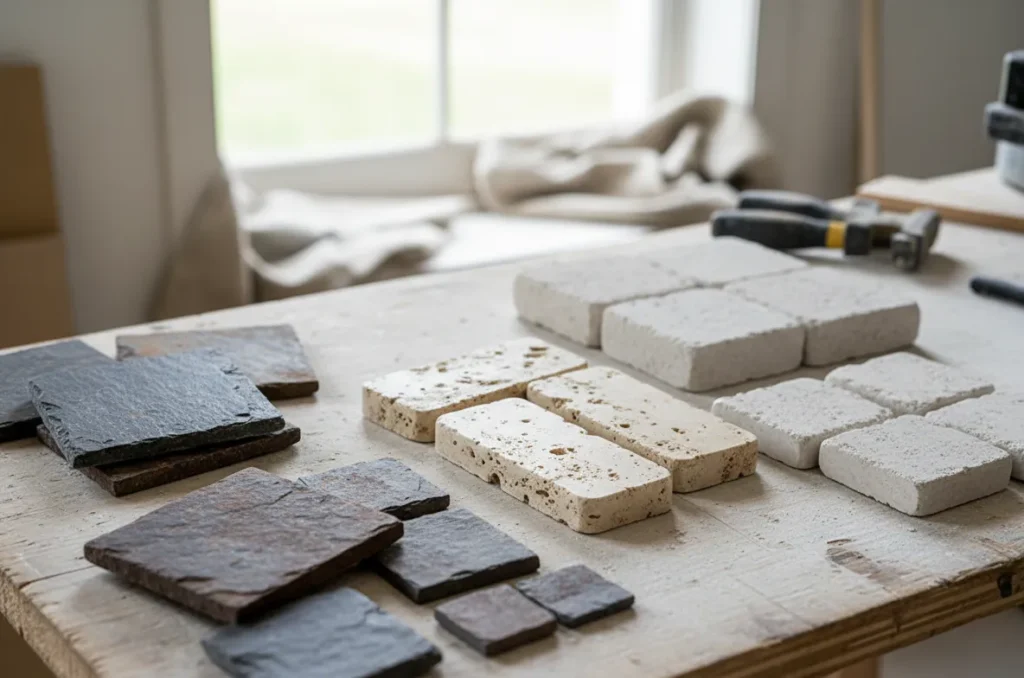
Tumbled Stone Tile Installation Tips (Critical Steps)
Tumbled stone’s porosity and texture require specific installation steps to avoid damage:
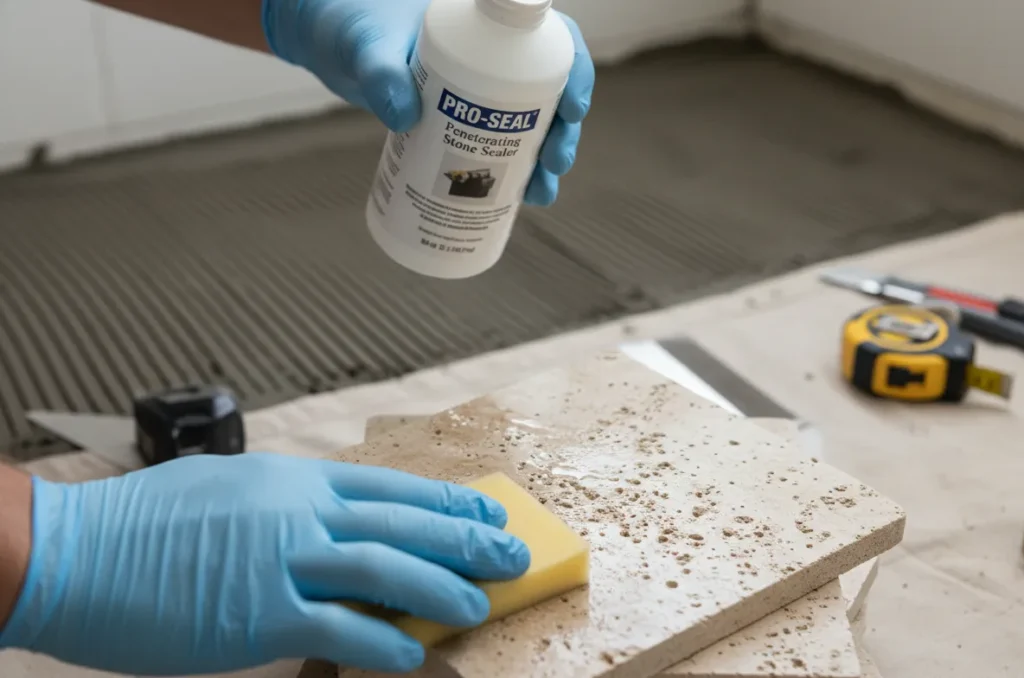
- Seal Before Installation: Apply a penetrating sealer to porous stones (travertine, limestone) – prevents mortar from seeping into pores and causing permanent stains.
- Use Sanded Grout: Tumbled tile has slightly uneven edges; sanded grout (1/8–1/4 inch gaps) fills spaces better and resists cracking.
- Level the Surface: Ensure floors/walls are flat—uneven surfaces can make tumbled tile look disjointed; use a self-leveling compound for floors.
How to Maintain Tumbled Stone Tile
Preserve tumbled stone’s rustic texture with simple, regular care:
- Seal Yearly: Reapply penetrating sealer once a year (twice for wet areas like showers) to block moisture and stains (e.g., oil, soap scum).
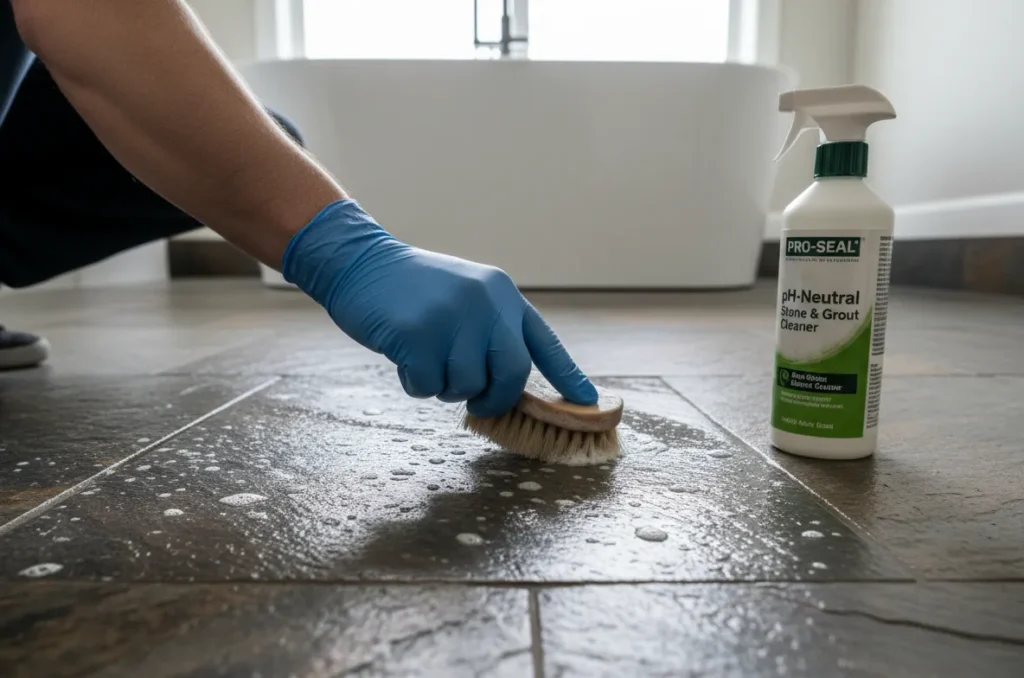
- Clean Gently: Use a pH-neutral stone cleaner and a soft brush—avoid abrasive sponges (can scratch the tumbled surface) or acidic cleaners (vinegar, lemon) that etch stone.
- Wipe Spills Fast: Tumbled stone is porous—wipe up wine, coffee, or bathroom cleaners immediately to prevent staining.
Conclusion
Tumbled stone tile is the perfect choice for anyone wanting to add rustic, natural charm to their home. Its durable, slip-resistant design works for indoor and outdoor spaces, while its weathered texture hides wear—making it ideal for busy families or homeowners who prefer “lived-in” style over perfection. By choosing the right stone type, following proper installation, and keeping up with sealing, it will bring warmth to your space for years.