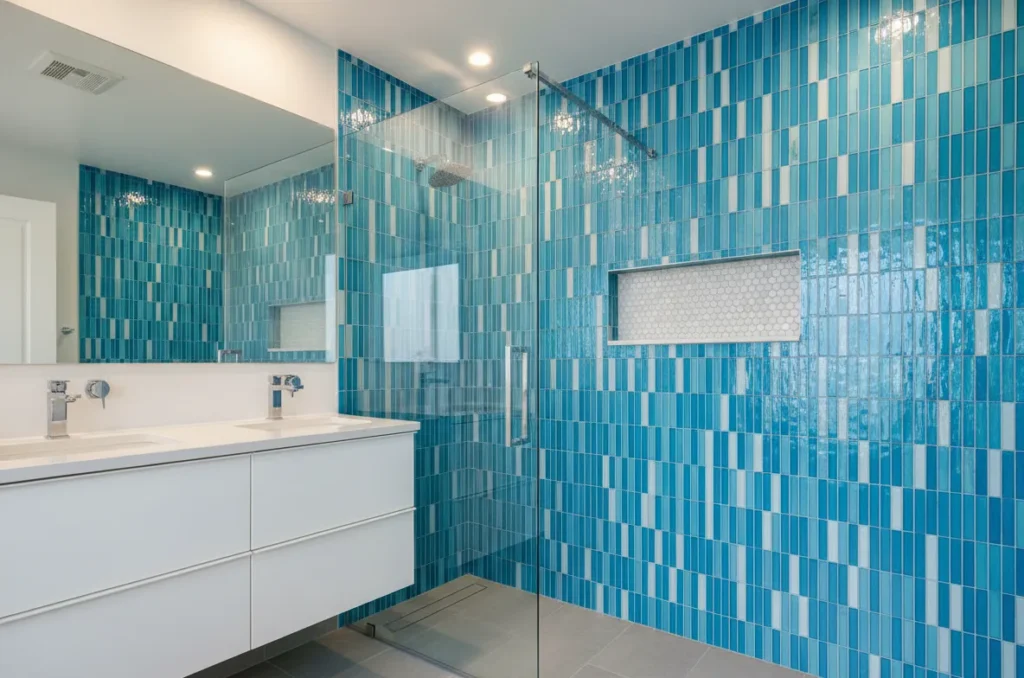
Introduction: The Versatility of Mosaic Tile
Mosaic tile—small, individual tiles (typically 1×1 to 4×4 inches) arranged in patterns or solid colors—shines for its customizable texture and color . Unlike large-format tiles, it lets you create intricate designs (e.g., floral motifs, geometric shapes) or blend hues to match any decor style, from bohemian to modern. Available in materials like ceramic, glass, and natural stone, it works as a subtle accent or bold focal point, making it a staple for home updates.
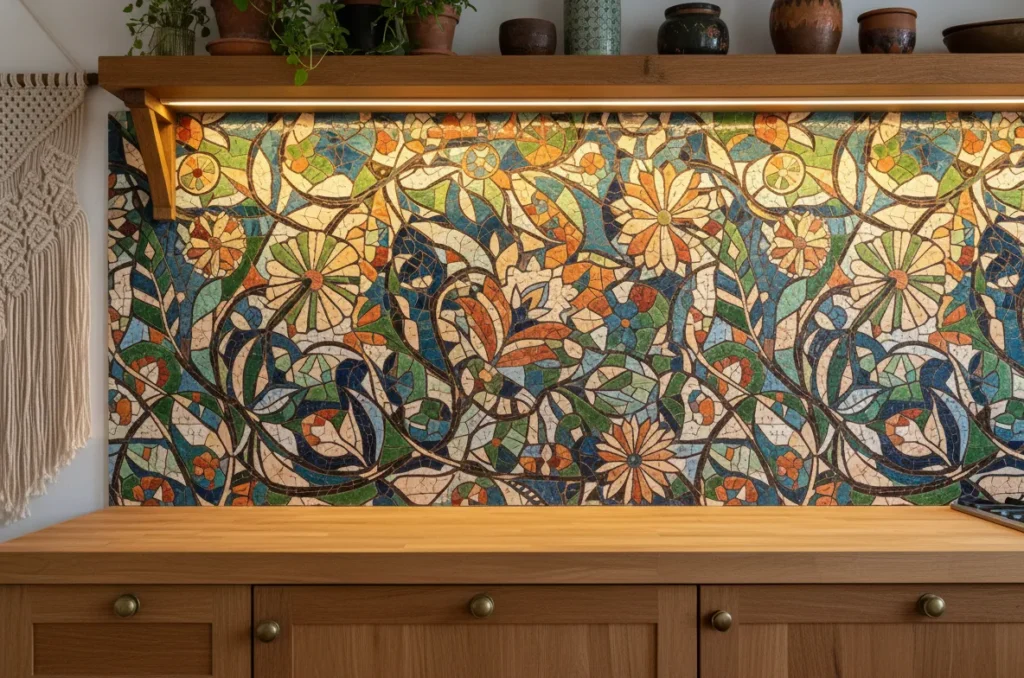
Top 4 Uses for Mosaic Tile in Homes
Mosaic tile excels in spaces where detail elevates design—here are its most practical applications:
- Kitchen Backsplashes: A narrow mosaic strip behind the sink or stove adds pops of color without clashing with countertops (e.g., quartz, granite).
- Bathroom Shower Niches/Walls: Glass or ceramic mosaic tile lines shower niches (holds shampoo bottles) or covers full walls, creating a spa-like vibe.
- Furniture Makeovers: Refresh old items (e.g., coffee tables, mirror frames) with mosaic tile—adds personality without replacing furniture.
- Accent Floors: Small mosaic tile “insets” (e.g., a geometric design in a hardwood floor) define entryways or dining areas.
How to Choose Mosaic Tile: Key Factors
Mosaic tile’s variety means careful selection is key—focus on these details:
- Material: Ceramic (budget-friendly, easy to clean—best for kitchens); glass (non-porous, shiny—ideal for bathrooms); natural stone (rustic texture—great for accents like fireplace surrounds).
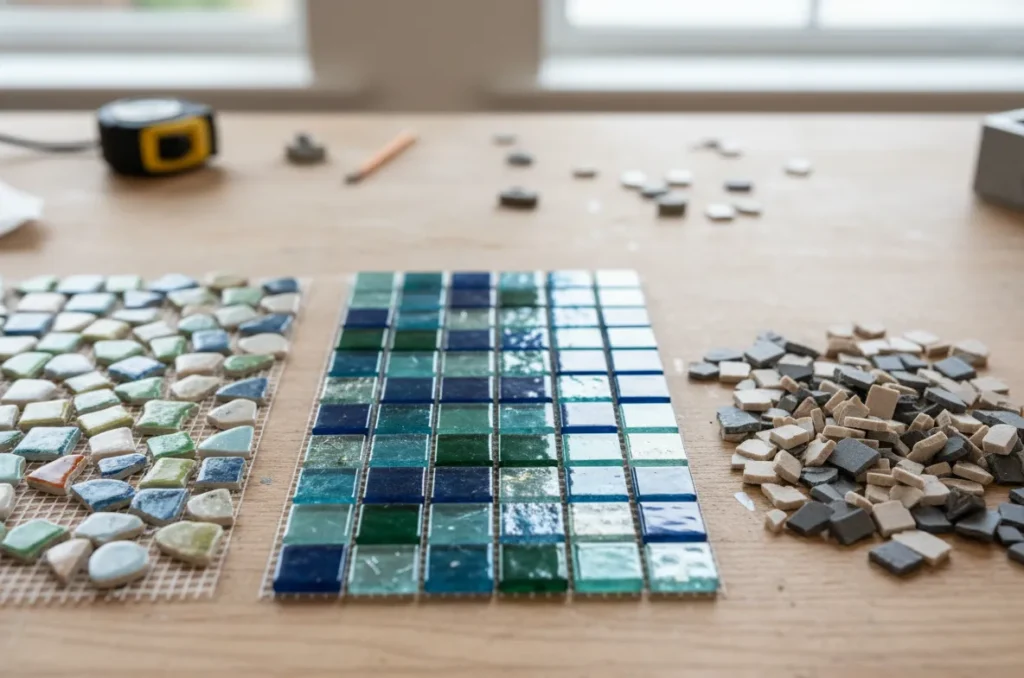
- Pattern: Pre-designed patterns (e.g., chevron, floral) save time; custom mixes (blend 2-3 colors) let you match existing decor (avoid 4+ colors to prevent clutter).
- Backing: Mesh-backed mosaic sheets (tiles attached to mesh) simplify installation (no need to align individual tiles); loose tiles work for small custom designs.
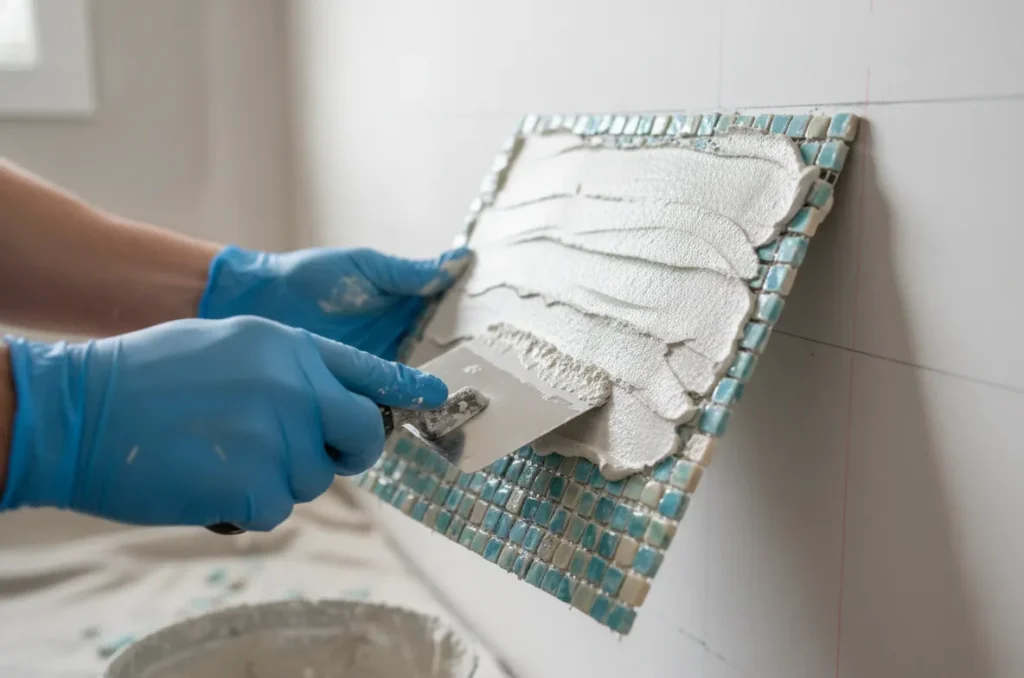
Mosaic Tile Installation Tips (DIY-Friendly)
Mosaic tile’s small size and mesh backing make it accessible for DIYers—follow these steps:
- Prepare the Surface: Ensure walls/floors are clean, dry, and smooth (fill cracks with spackle—uneven surfaces cause tiles to lift).
- Use the Right Adhesive: Choose white thinset mortar (colored mortar may show through glass/light ceramic); apply a thin layer with a small-notched trowel (1/8-inch).
- Grout Carefully: Use unsanded grout (sanded grout scratches glass/soft stone); wipe excess grout immediately with a damp sponge (dried grout is hard to remove from small tiles).
How to Maintain Mosaic Tile
Maintenance varies by material, but these tips keep mosaic tile looking sharp:
- Ceramic: Wipe with a damp cloth and mild soap; scrub grout monthly with a soft brush (avoids abrasive tools that scratch tile).
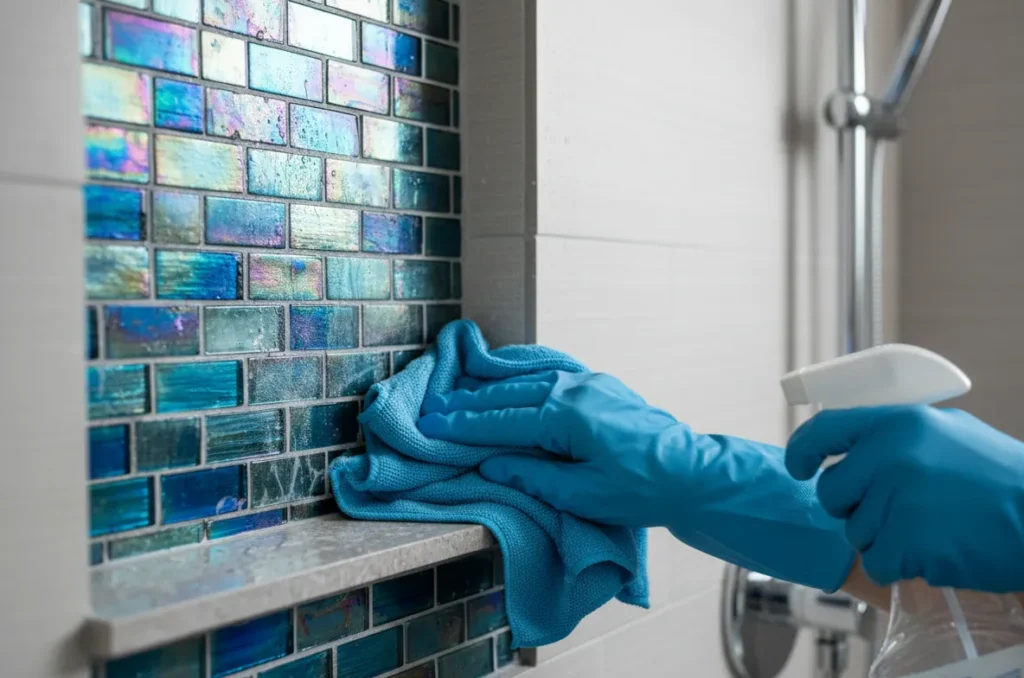
- Glass: Clean with glass cleaner to remove fingerprints; dry immediately to prevent water spots (critical for bathroom tiles).
- Natural Stone: Seal yearly to resist stains; use pH-neutral cleaner (acids like vinegar etch stone—never use on marble/limestone mosaic).
Conclusion
Mosaic tile is a creative solution for adding texture, color, and personality to any home. Its small size lets you customize designs, while mesh backing makes installation easy—even for beginners. Whether you’re updating a backsplash, refreshing furniture, or adding a floor accent, it balances style and practicality, turning ordinary spaces into unique focal points.