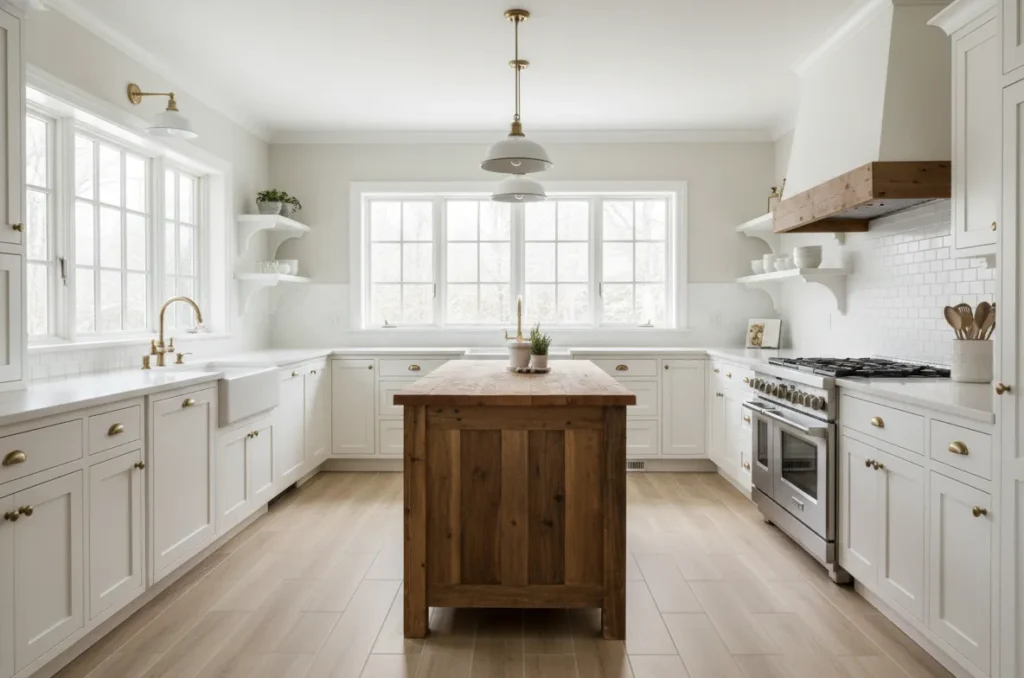
Introduction: The Best of Both Worlds—Wood Look Tile
Wood look tile combines the warmth of natural wood with the durability of tile—solving the biggest drawbacks of real hardwood (scratching, water damage, high maintenance). Made from porcelain or ceramic, it mimics the grain, color, and texture of wood (e.g., oak, maple, walnut) but resists spills, pets, and heavy foot traffic. It works in modern, farmhouse, or coastal styles, making it a versatile choice for nearly any room—from kitchens to bedrooms.
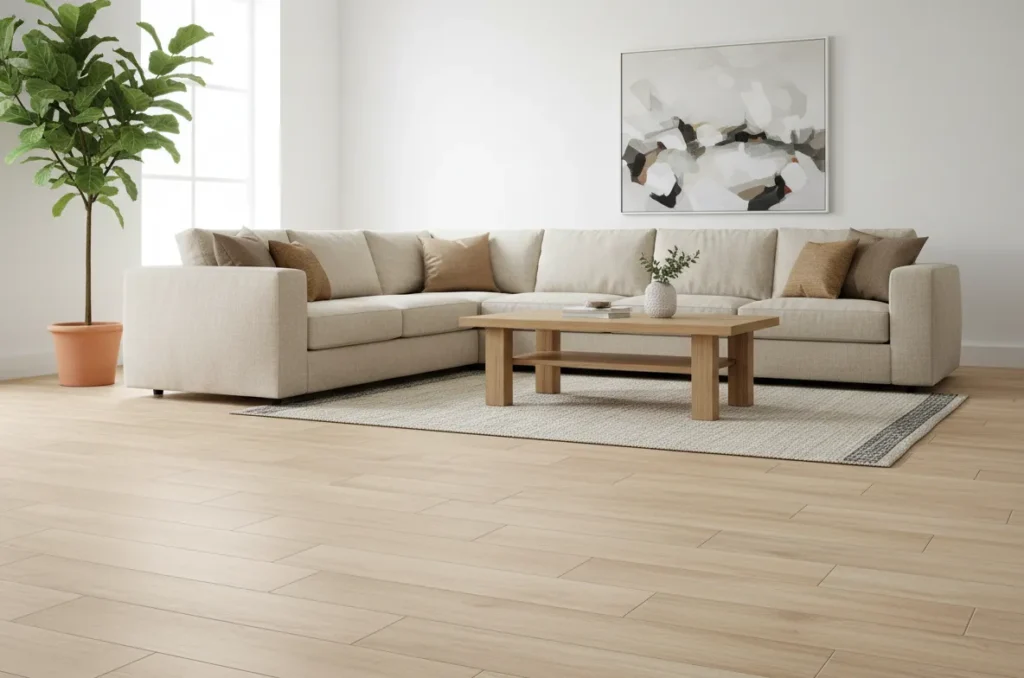
Top 4 Uses for Wood Look Tile in Homes
Wood look tile’s ability to blend with wood decor while resisting damage makes it perfect for these spaces:
- Kitchen Floors: Handles oil spills, dropped utensils, and frequent mopping—no need to worry about water warping (unlike real hardwood).
- Bathroom Floors/Walls: Water-resistant (porcelain versions) adds warmth to bathrooms without the risk of mold or rot; use vertical planks on walls for a “wood panel” look.
- Bedroom Floors: Soft wood tones (e.g., light maple) create a cozy vibe; pairs with carpet runners or area rugs for extra comfort.
- Outdoor Patios: Frost-resistant porcelain wood look tile mimics decking but needs no staining or sealing—ideal for indoor-outdoor flow.
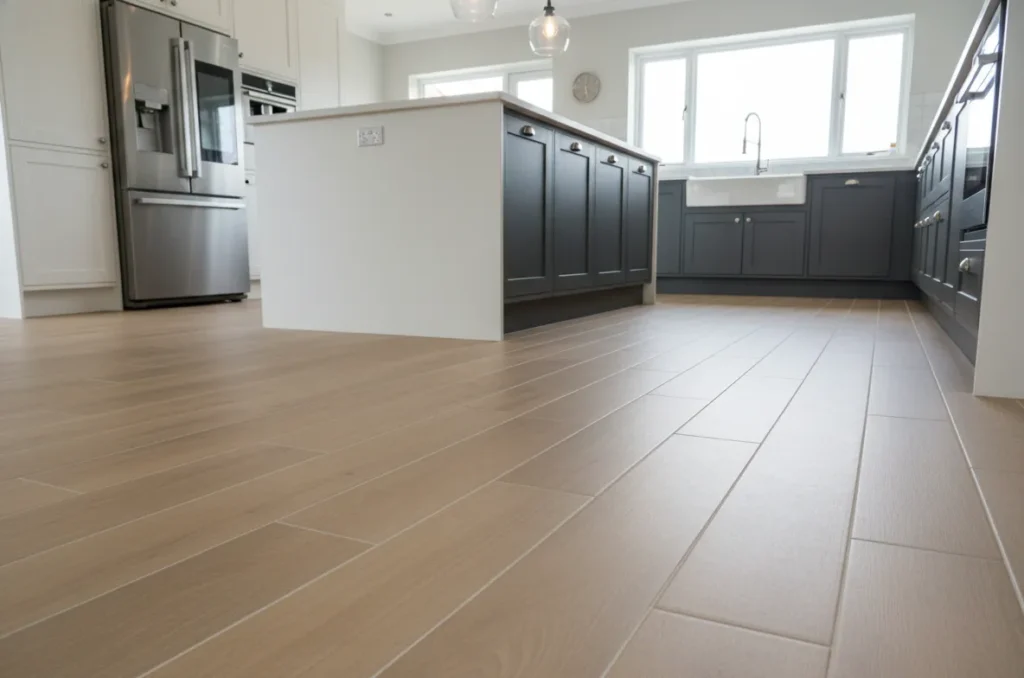
How to Choose Wood Look Tile: Key Factors
Not all wood look tiles look “real”—follow these tips to pick the most authentic option:
- Material: Porcelain (best for high-traffic/wet areas—waterproof, scratch-resistant); ceramic (budget-friendly for dry spaces like bedrooms).
- Grain & Color: Choose tiles with “randomized grain” (avoids repetitive patterns that look fake); opt for natural tones (light oak, dark walnut) that match existing wood decor.
- Plank Size: 6×24-inch or 6×36-inch planks mimic real hardwood boards; avoid small tiles (4×4 inches)—they look less like wood.
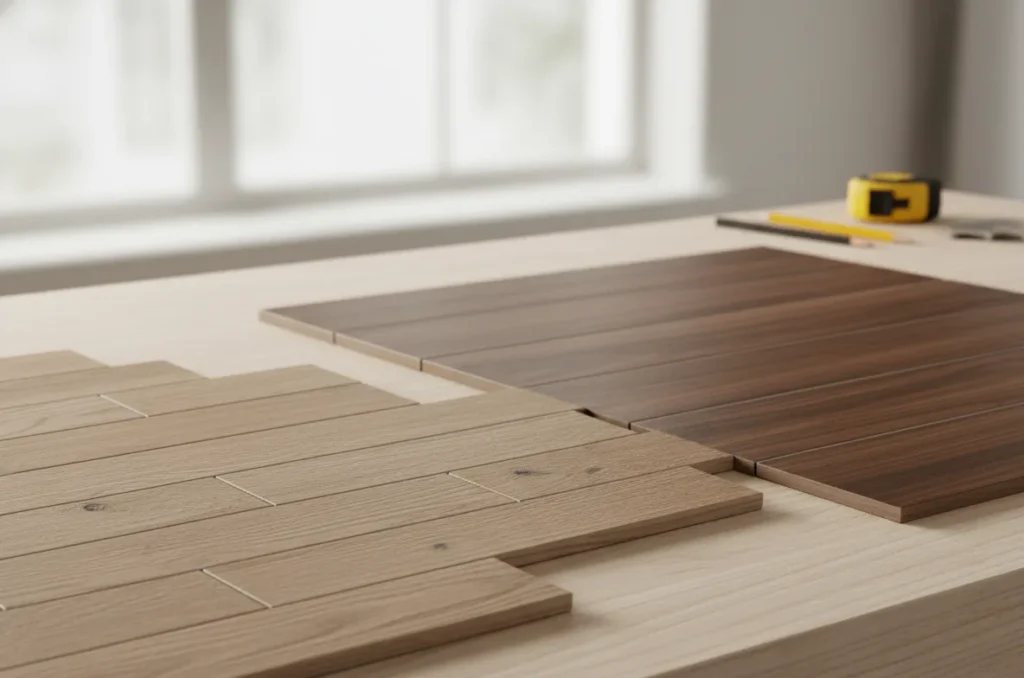
Wood Look Tile vs. Real Hardwood: A Quick Comparison
Wondering if wood look tile is better than real wood? Here’s how they stack up:
| Feature | Wood Look Tile | Real Hardwood |
|---|---|---|
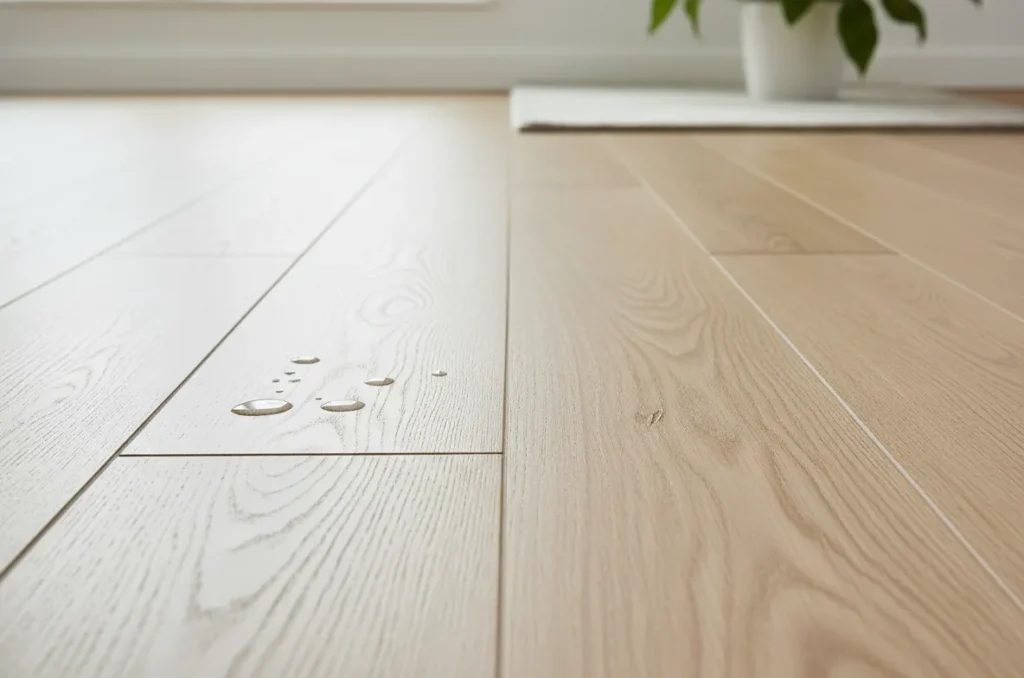
| Water Resistance | Excellent (porcelain) – safe for bathrooms/kitchens | Poor – warps with water exposure |
| Maintenance | Low – sweep/mop with mild soap; no staining/sealing | High – refinish every 3–5 years; avoid scratches |
| Durability | High – resists pets, furniture scratches | Low – prone to dents, scratches, and sun fading |
| Price | Moderate ($3–$8/sq ft) | High ($5–$15/sq ft + installation) |
Wood Look Tile Installation Tips
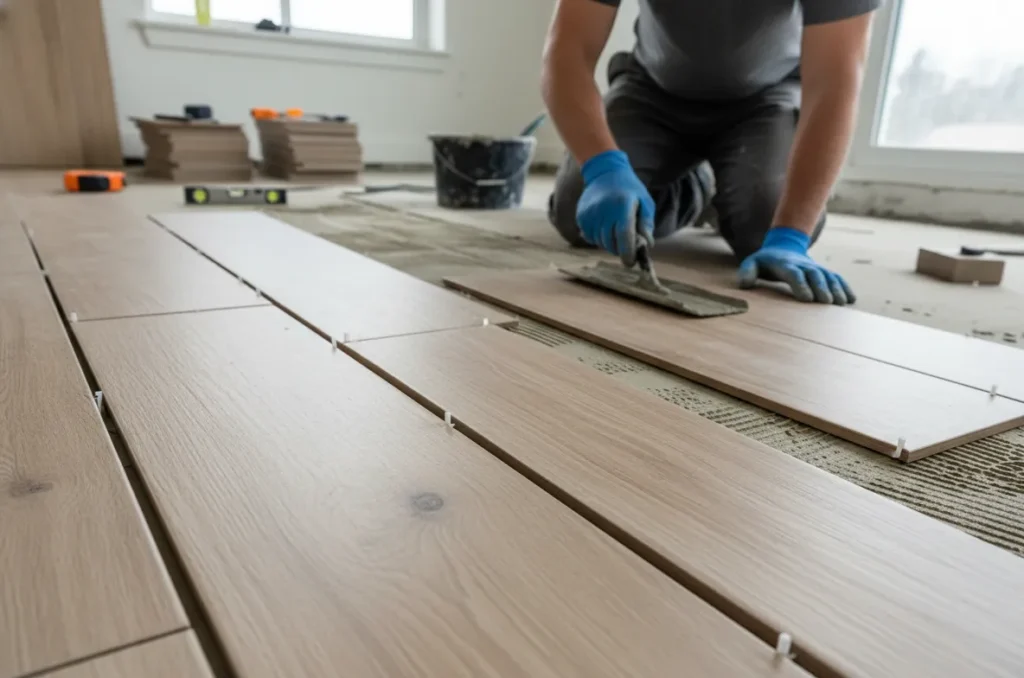
Installing wood look tile is similar to other tile—but these steps ensure an authentic “wood floor” look:
- Lay in Planks: Install tiles in a “running bond” pattern (offset planks like real hardwood) – avoids a “grid” look that feels fake.
- Use Matching Grout: Choose grout in the same color as the tile’s edges (e.g., beige grout for light oak tile) to hide lines and mimic wood seams.
- Acclimate Tiles: Let porcelain/ceramic tiles sit in the room for 24 hours before installation – prevents expansion after laying.
How to Maintain Wood Look Tile
Wood look tile needs minimal care to stay looking like new:
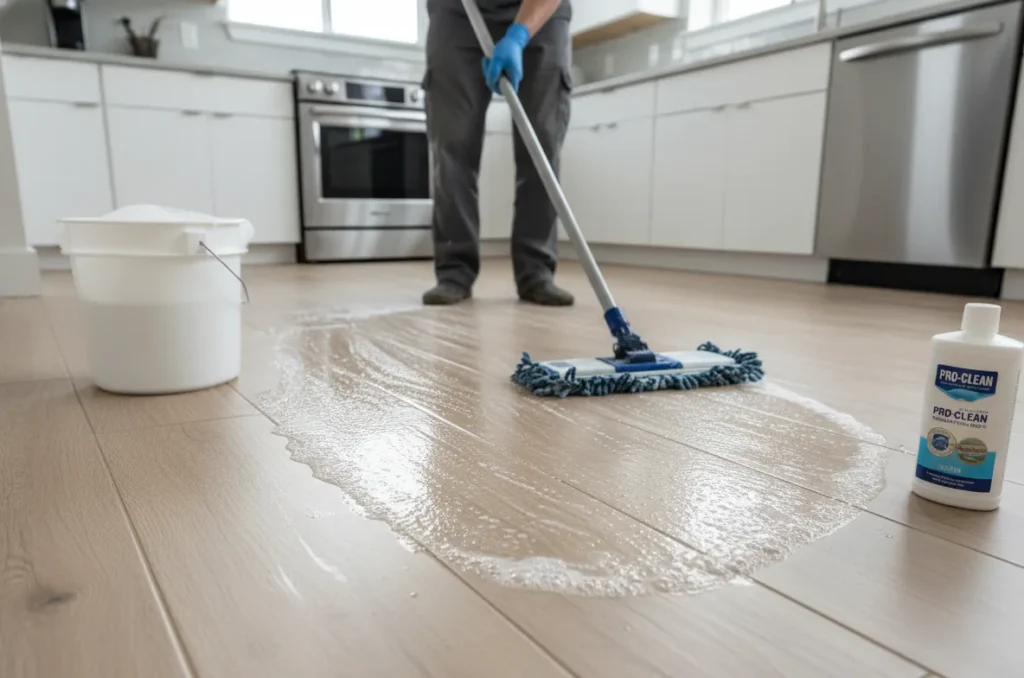
- Daily Cleaning: Sweep with a soft broom or vacuum (no beater bar) to remove dirt; mop with warm water and mild dish soap for spills.
- Prevent Scratches: Use furniture pads under chairs/tables; avoid dragging heavy items (though porcelain tiles resist most scratches).
- Avoid Harsh Cleaners: Skip bleach or abrasive cleaners—they can fade tile color or scratch the surface.
Conclusion
Wood look tile is a smart alternative to real hardwood for homeowners wanting warmth without the upkeep. Its durability, water resistance, and authentic appearance make it perfect for busy families, pet owners, or anyone tired of refinishing hardwood. By choosing the right material, laying it in a natural pattern, and keeping up with simple cleaning, it will add cozy style to your home for years.