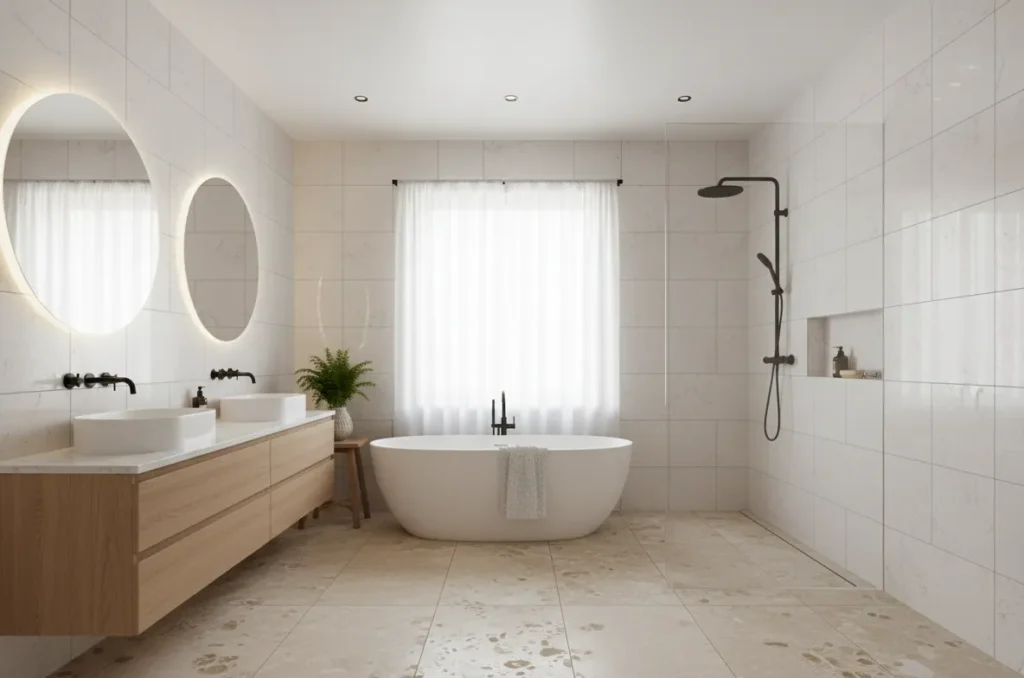
Introduction: The Soft Elegance of Limestone Tile
Limestone tile—quarried from sedimentary rock formed by marine fossils—boasts soft, organic textures and muted neutral tones (white, cream, beige, light gray). Its subtle grain and matte finish bring understated elegance to spaces, blending seamlessly with modern, coastal, or traditional styles. Unlike dense stones like slate, limestone is slightly porous and softer, making it ideal for low-to-medium traffic areas where its natural beauty can shine without heavy wear. It adds a calm, spa-like vibe to bathrooms and a timeless feel to living rooms, making it a favorite for luxury home design.
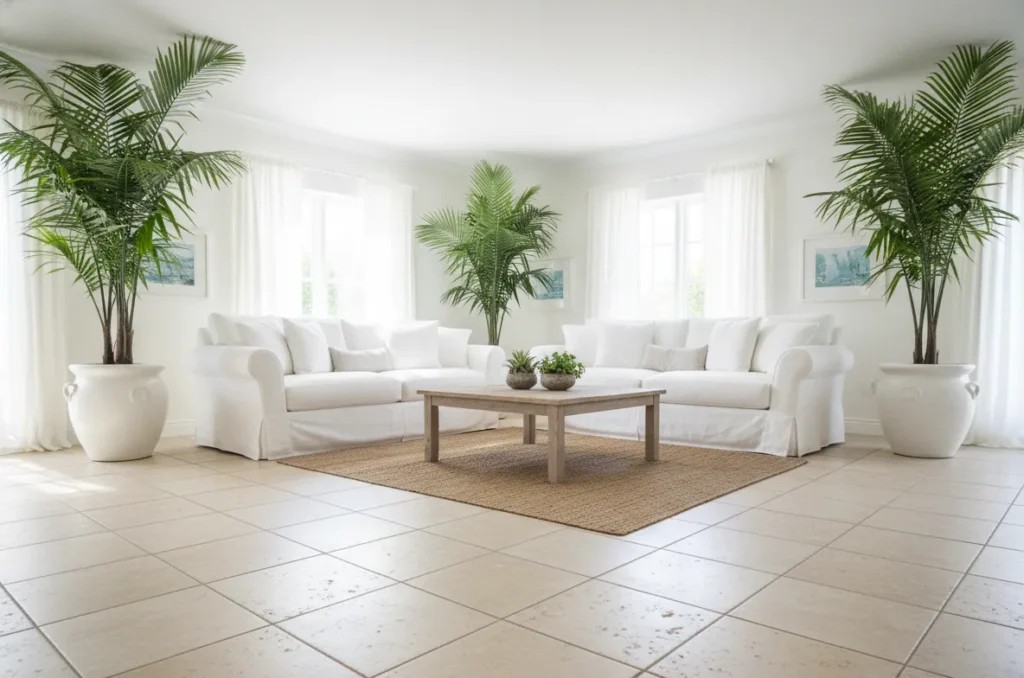
Top 4 Uses for Limestone Tile in Homes
Limestone’s soft texture and neutral palette excel in spaces that prioritize calm and elegance—here are its most suitable applications:
- Bathroom Walls/Showers: Light-toned limestone adds a spa-like ambiance; opt for honed finish (slip-resistant) for floors and polished for walls to brighten the space.
- Living Room Floors: Muted beige or gray limestone complements neutral decor and wooden furniture, creating a warm, inviting atmosphere for gatherings.
- Fireplace Surrounds: Its heat resistance (moderate) makes it perfect for fireplace hearths; pairs with both gas fires and wooden mantels for a classic look.
- Entryway Accents: A limestone tile “rug” (contrasting with surrounding flooring) creates a welcoming first impression without hiding dirt from shoes.
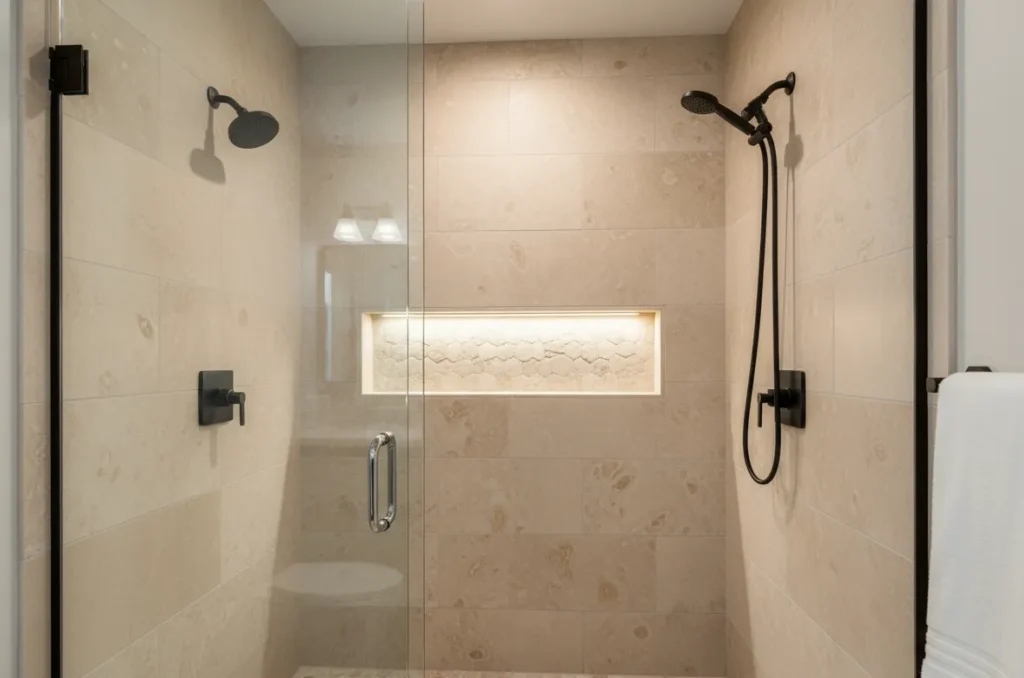
How to Choose Limestone Tile: Key Factors
Limestone’s softness and porosity require careful selection—follow these tips to pick the right one:
- Natural vs. Cultured Limestone: Natural limestone (unique fossil patterns, porous—best for low-traffic areas); Cultured limestone (man-made, denser—ideal for bathrooms/kitchens).
- Surface Finish: Honed (matte, slip-resistant—perfect for floors/showers); Polished (shiny, smooth—great for walls/fireplaces); Tumbled (weathered, rustic—adds charm to entryways).
- Color: Cream/white (brightens small spaces); Light gray (modern, versatile); Beige (warm, coastal-friendly)—avoid dark hues (highlights scratches on soft stone).
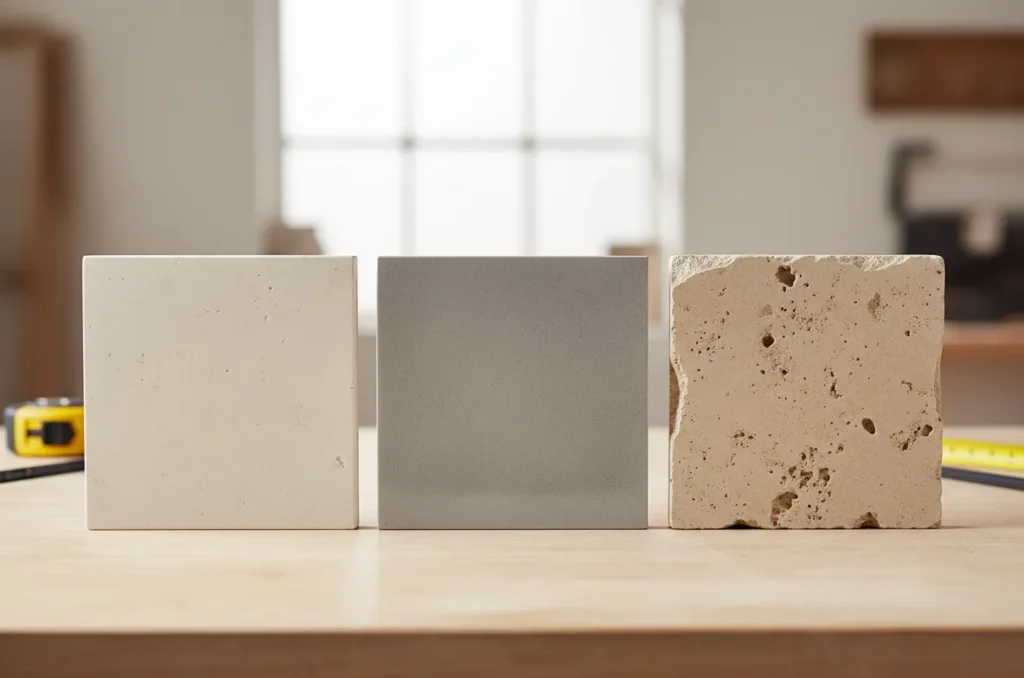
Limestone Tile Installation Tips (Pro Critical)
Limestone’s softness and porosity demand professional installation to avoid damage—here’s what to know:
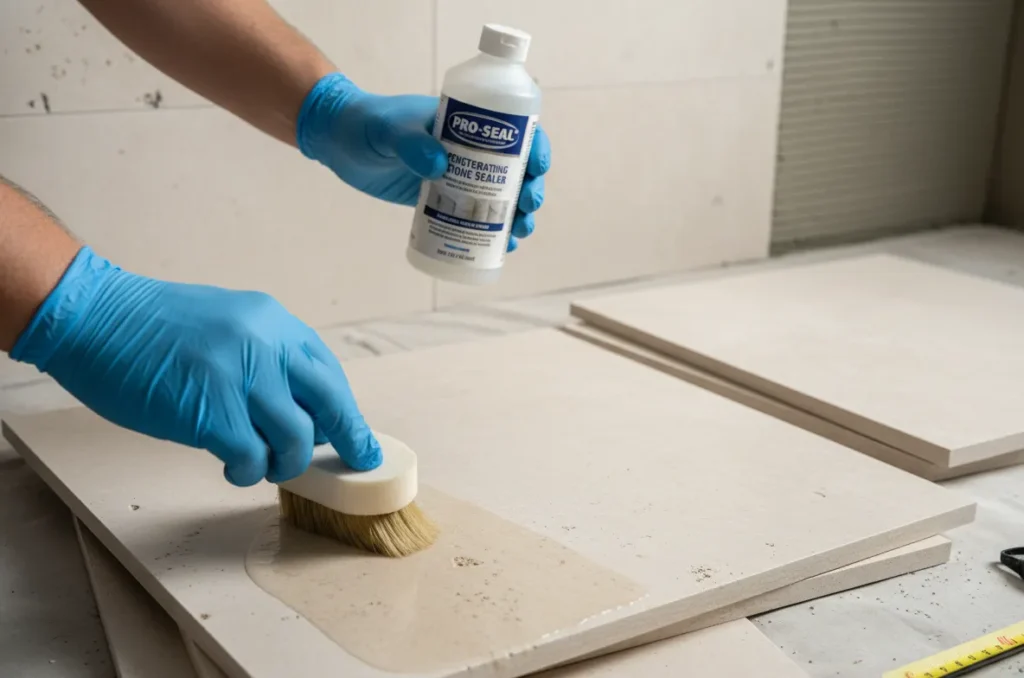
- Seal Before Installation: Apply 2–3 coats of penetrating sealer to natural limestone—blocks mortar from seeping into pores and causing permanent stains.
- Use Gentle Tools: Cut with a wet saw (not manual cutters) to avoid chipping edges; use a rubber mallet to press tiles (metal tools scratch soft stone).
- Choose the Right Mortar: Opt for white thinset mortar (colored mortar may bleed into porous limestone); avoid mastic (not moisture-resistant for wet areas).
How to Maintain Limestone Tile (Preserve Soft Beauty)
Limestone needs gentle care to avoid scratches and stains—follow these rules:
- Seal Bi-Annually: Reapply penetrating sealer twice a year (more often for wet areas like showers) to block moisture and stains (e.g., wine, coffee).
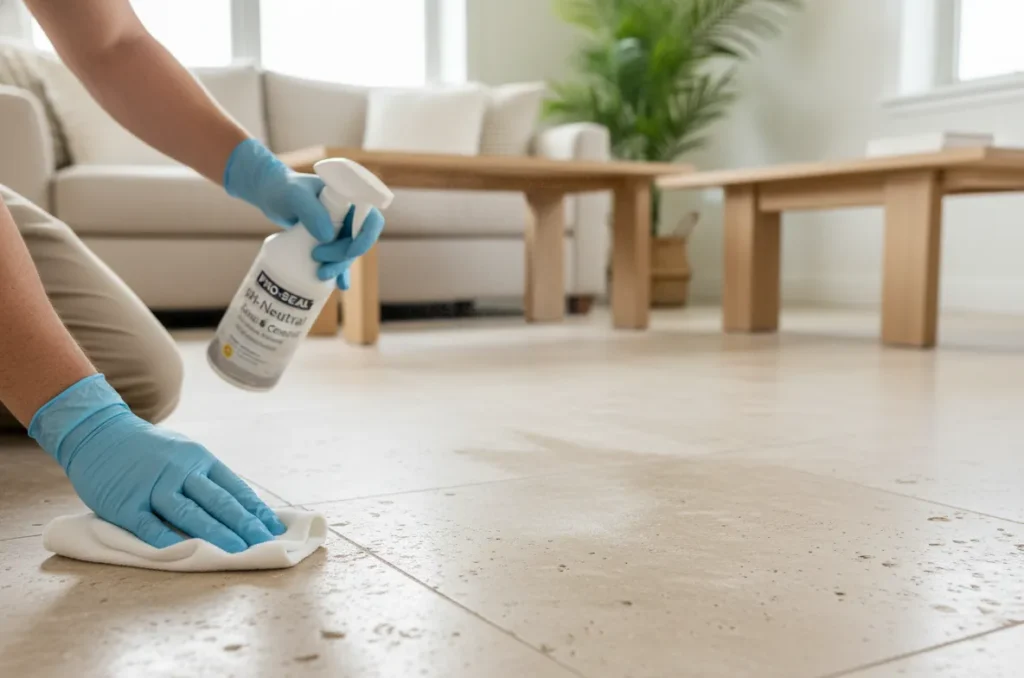
- Clean Gently: Use pH-neutral stone cleaner and a soft cloth—never use acidic cleaners (vinegar, lemon, bleach) that etch and dull the surface.
- Prevent Damage: Use coasters under glasses, cutting boards on countertops, and furniture pads under heavy items (limestone scratches easily).
Conclusion
Limestone tile is a timeless choice for homeowners wanting soft, natural elegance in their spaces. While it requires more care than dense stones like porcelain or slate, its subtle texture and neutral tones create a calm, luxurious atmosphere that’s hard to replicate. By choosing the right type (natural vs. cultured), hiring a pro for installation, and keeping up with gentle maintenance, limestone tile will add understated beauty to your home for years.