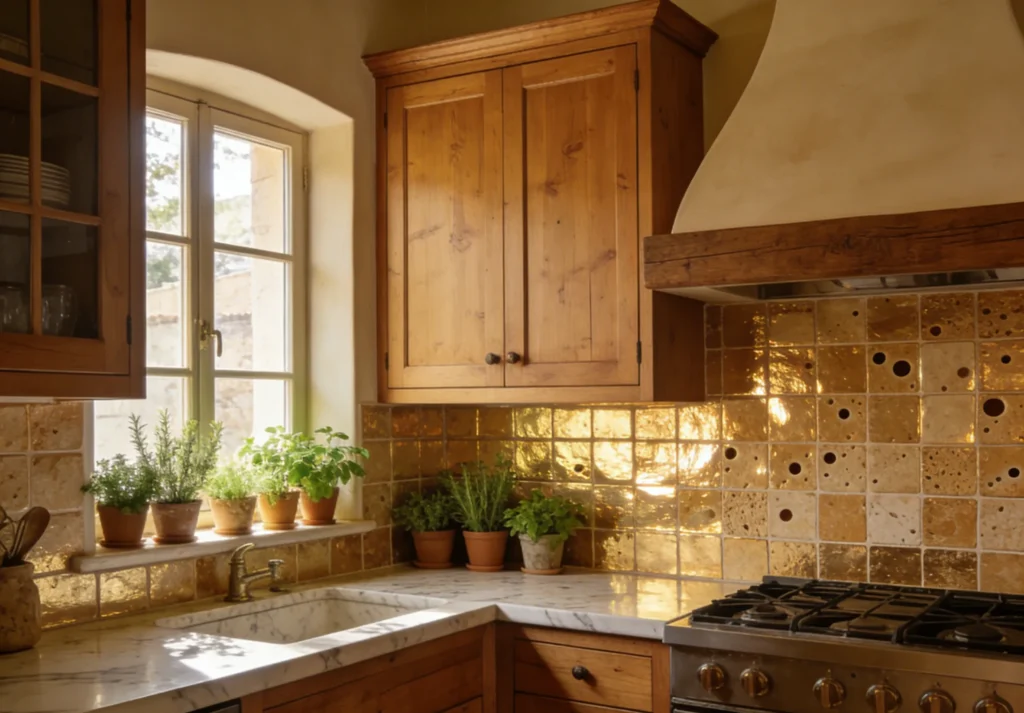
Introduction: The Timeless Charm of Travertine Tile
Travertine tile— a type of natural limestone formed from mineral-rich hot springs— is celebrated for its porous texture, warm earthy tones, and organic veining . Ranging from soft beiges and creams to subtle golds and grays, it carries a distinct “lived-in” elegance that complements Mediterranean, coastal, and traditional styles. Its unique pitted surface (formed by gas bubbles during formation) adds character, though it requires sealing to resist stains and moisture. Perfect for creating a spa-like or rustic-modern vibe, travertine remains a top choice for luxury home design.
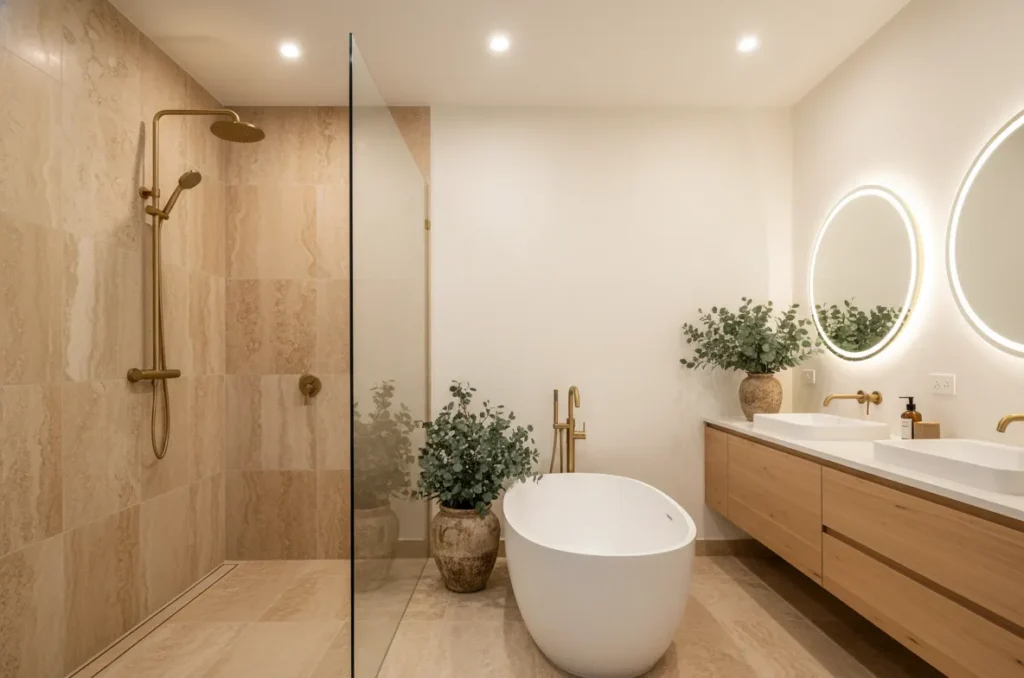
Top 4 Uses for Travertine Tile in Homes
Travertine’s warm texture thrives in spaces that embrace natural beauty— here are its most ideal applications:
- Bathroom Walls/Showers: Honed or tumbled travertine adds a serene, resort-like feel; the porous surface (when sealed) resists moisture, making it perfect for shower surrounds.
- Kitchen Backsplashes: Polished travertine with subtle veining complements wooden cabinets and quartz countertops, adding warmth to modern or farmhouse kitchens.
- Fireplace Surrounds: Its heat resistance (moderate) and rustic charm make it a perfect fit for fireplace hearths, pairing seamlessly with wooden mantels and cozy seating.
- Outdoor Patios (Tumbled): Tumbled travertine develops a weathered patina over time, blending with garden greenery and outdoor furniture for a Mediterranean-inspired patio.
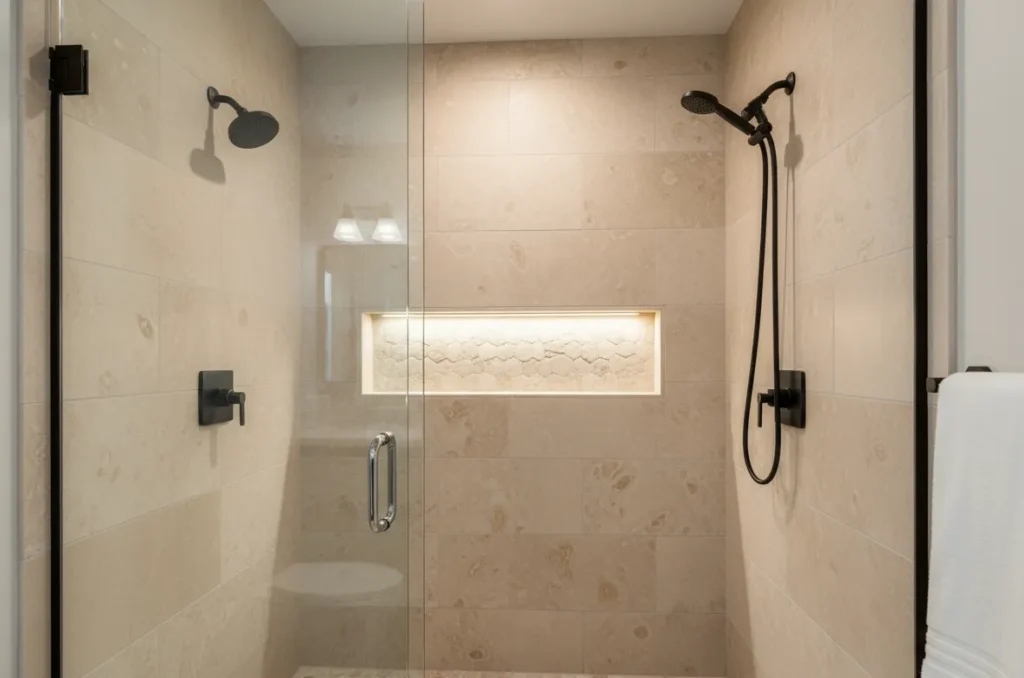
How to Choose Travertine Tile: Key Factors
Travertine’s porosity and texture require careful selection— follow these tips to pick the right one:
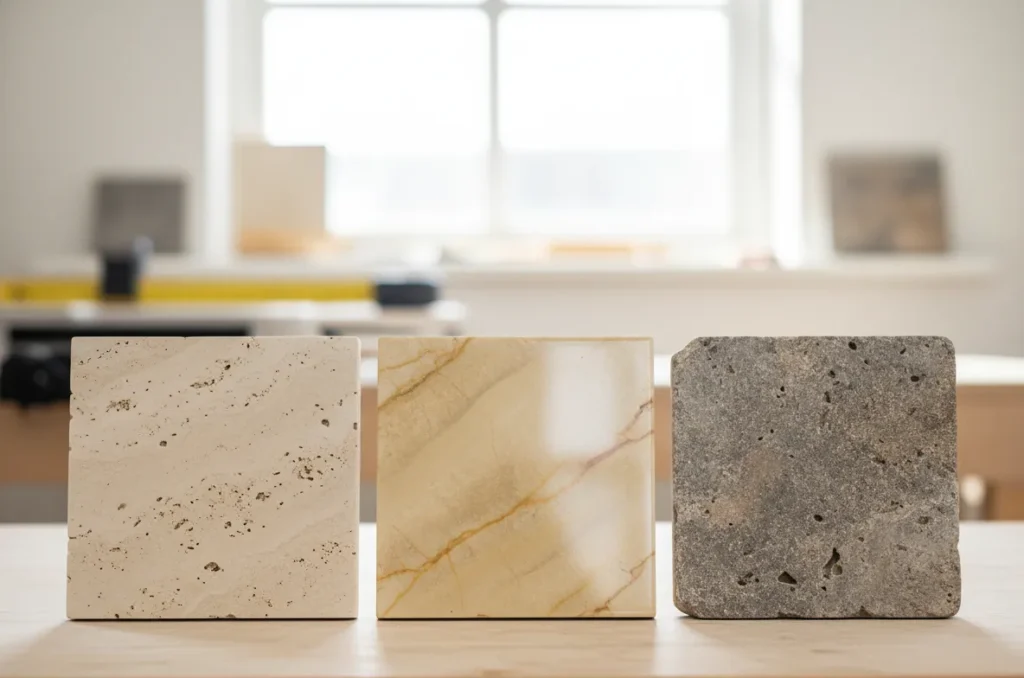
- Finish Type: Honed (matte, smooth— best for floors/showers, slip-resistant); Polished (shiny, fills pores— ideal for walls/backsplashes); Tumbled (weathered, rough— perfect for outdoor/ rustic spaces).
- Fill Type: Unfilled (natural pitted surface, needs sealing— for rustic style); Filled (pits filled with resin/cement, easier to clean— for high-traffic areas like kitchens).
- Color: Cream/beige (timeless, brightens small spaces); Gold (adds warmth to traditional homes); Gray (modern, versatile for contemporary decor).
Travertine Tile Installation Tips (Pro Recommended)
Travertine’s porosity and softness demand professional installation to avoid damage— here’s what to expect:
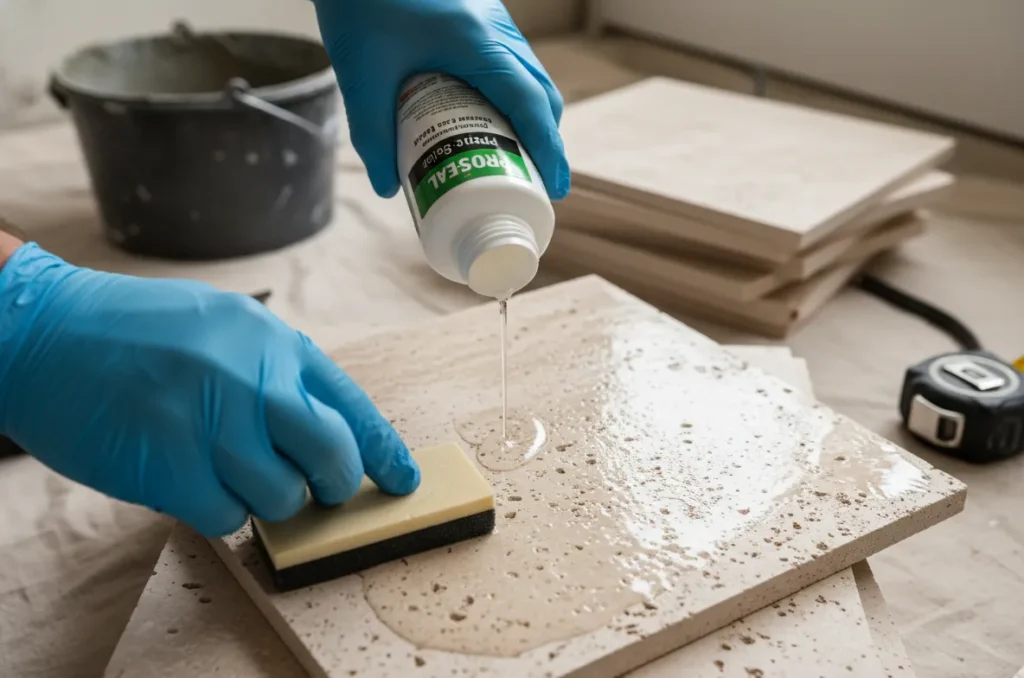
- Seal Before & After Installation: Apply 2 coats of penetrating sealer before laying (prevents mortar staining) and 1 coat after grouting (locks in protection against moisture).
- Use White Thinset Mortar: Colored mortar may bleed into porous travertine; white thinset ensures a clean, consistent look without discoloration.
- Grout Carefully: Use sanded grout for large gaps (1/8-inch) and match grout color to tile (e.g., beige grout with cream travertine) to blend seamlessly.
How to Maintain Travertine Tile (Preserve Its Beauty)
Travertine needs regular care to protect its porous surface— follow these essential rules:
- Reseal Every 6–12 Months: Frequent sealing (more often for wet areas) blocks stains from oil, wine, or water; test with a water drop— if it soaks in, it’s time to reseal.
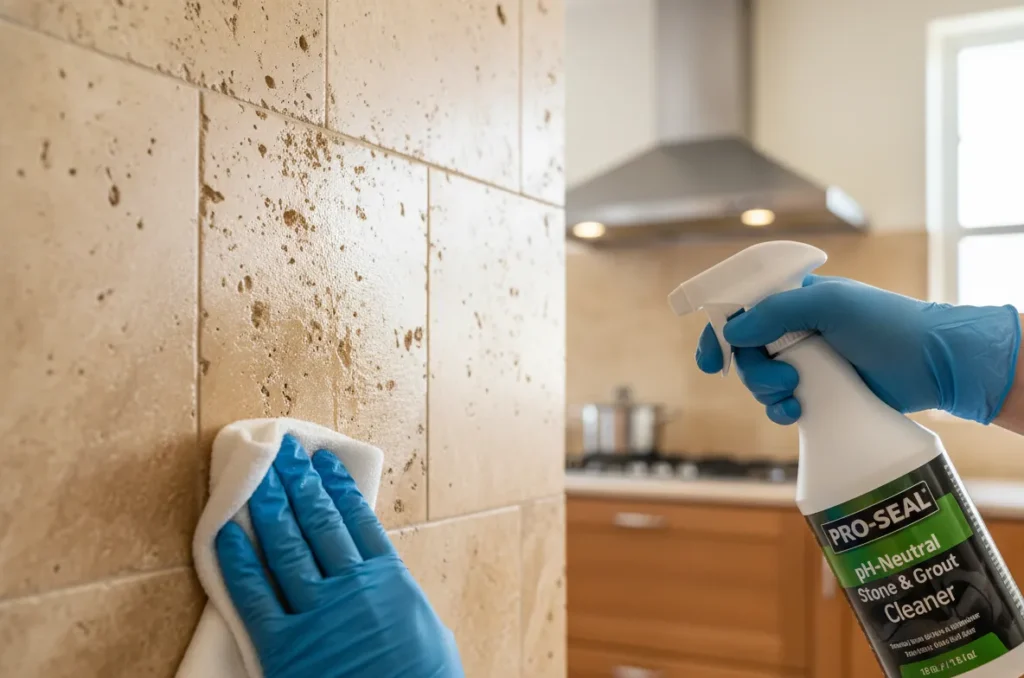
- Clean Gently: Use pH-neutral stone cleaner and a soft cloth— avoid acidic cleaners (vinegar, lemon) that etch the surface and abrasive tools that scratch the finish.
- Wipe Spills Immediately: Travertine absorbs liquids quickly— clean up spills within minutes to prevent permanent staining, especially on unfilled tiles.
Conclusion
Travertine tile is a timeless investment in natural elegance, bringing warmth and character to any space. While it requires more maintenance than synthetic tiles, its unique texture and organic beauty make it irreplaceable for homeowners seeking a luxury, lived-in look. By choosing the right finish, hiring a pro for installation, and keeping up with regular sealing, travertine will enhance your home’s charm for decades.