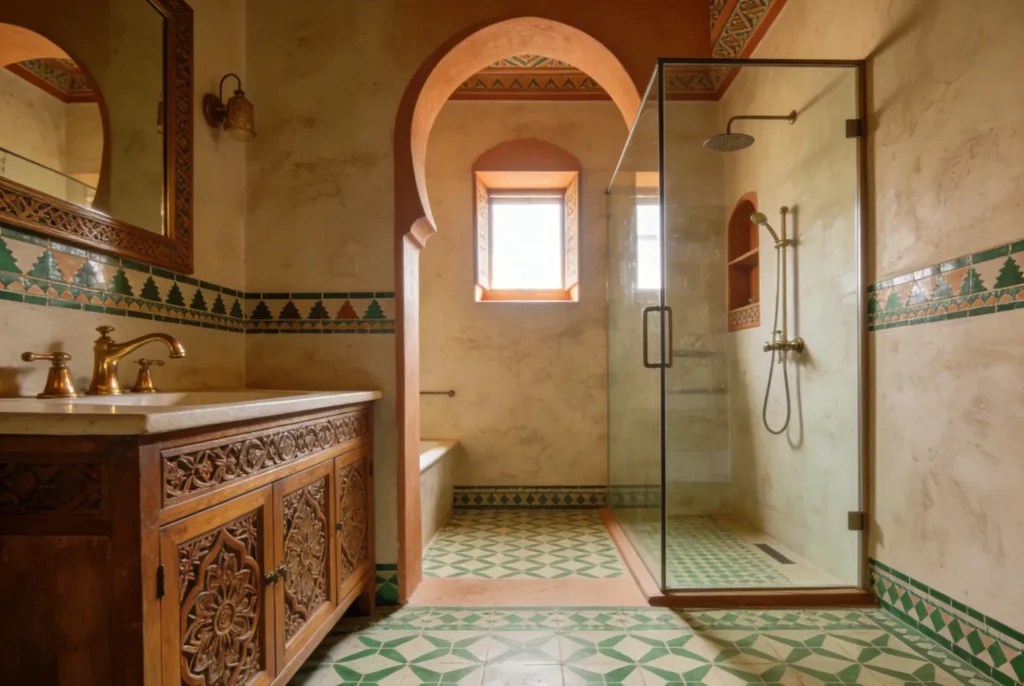
Introduction: The Artisanal Charm of Cement Tile
Cement tile—also known as encaustic tile—is a handmade, colorful option crafted from cement, sand, and pigment, with intricate patterns embedded into the surface (not just printed). Originating from Moroccan and Portuguese design, it boasts bold geometric motifs, floral prints, and rich hues that blend retro charm with modern versatility. Unlike glazed ceramic, its color runs through the tile (not just the top), so minor scratches don’t ruin the pattern. It’s porous and needs sealing, but its unique, one-of-a-kind look makes it a favorite for homeowners wanting to add artisanal flair to kitchens, bathrooms, or entryways.
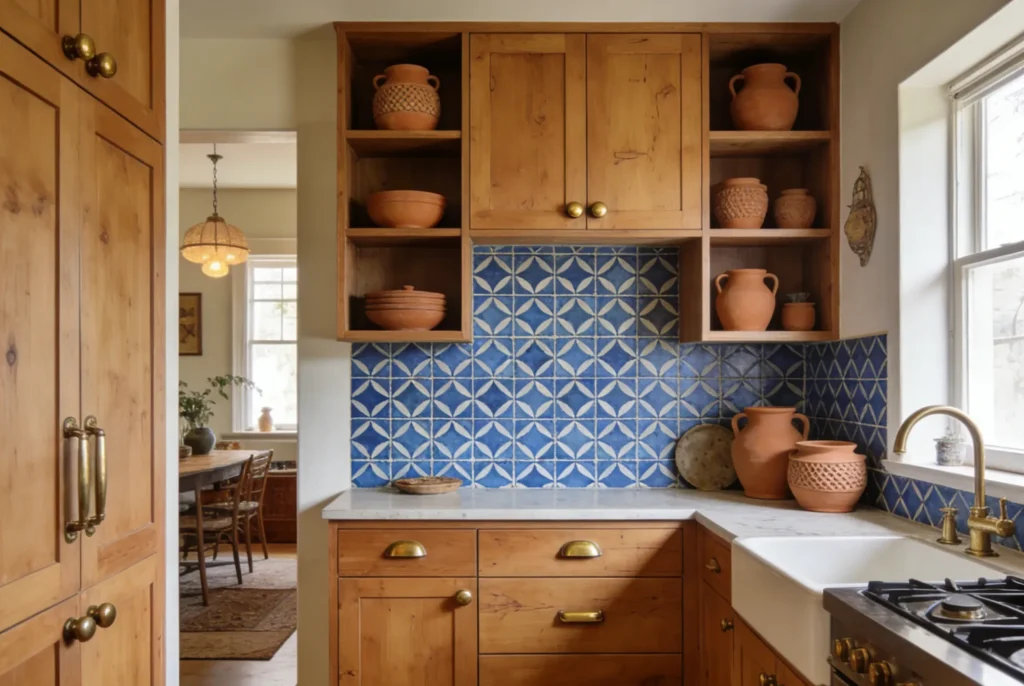
Top 4 Uses for Cement Tile in Homes
Cement tile’s vibrant patterns and handmade texture shine in spaces that embrace personality—here are its most ideal applications:
- Kitchen Backsplashes: A narrow strip of patterned cement tile behind the stove adds a focal point; opt for bold colors (blue, green) to contrast neutral countertops.
- Bathroom Floors: Matte-finish cement tile (sealed) resists moisture; use small-format tiles with subtle patterns to brighten small bathrooms without cluttering the space.
- Entryway Floors: A full cement tile floor with Moroccan or geometric patterns makes a bold first impression; dark hues hide shoe dirt while showcasing the design.
- Outdoor Patios (Covered): Sealed cement tile adds color to covered patios; pair with outdoor wicker furniture and string lights for a cozy, exotic vibe.
How to Choose Cement Tile: Key Factors
Cement tile’s handmade nature and porosity require careful selection—follow these tips:
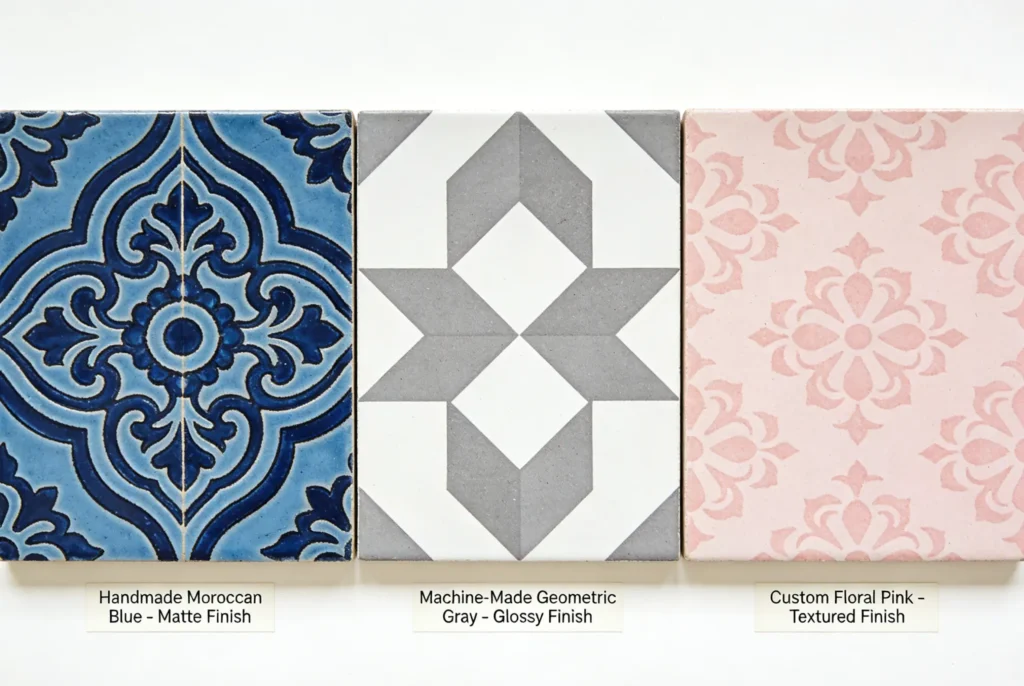
- Handmade vs. Machine-Made: Handmade (unique pattern variations, thicker—best for accents); Machine-made (consistent size, cheaper—ideal for large floors).
- Pattern & Color: Pre-designed motifs (Moroccan, geometric) save time; custom patterns let you match decor (avoid 3+ bold colors to prevent visual overload).
- Thickness & Finish: 1/2–3/4 inch thickness (handmade) for durability; Matte finish (slip-resistant, best for floors); Glossy (sealed, ideal for walls/backsplashes).
Cement Tile Installation Tips (Critical Sealing)
Cement tile’s porosity and handmade size variations demand precise installation—here’s how to proceed:
- Seal Before Installation: Apply 2 coats of penetrating sealer to the front, back, and edges (blocks mortar from staining the tile and absorbing moisture).
- Use the Right Mortar: Choose white thinset mortar (colored mortar may bleed into porous cement); apply a thin layer with a small-notched trowel to avoid excess.
- Account for Size Variations: Handmade tiles may have slight size differences—dry-fit first and adjust spacing (1/8-inch gaps) to keep patterns aligned.
How to Maintain Cement Tile (Preserve Patterns)
Cement tile needs regular sealing and gentle care to protect its color and pattern—follow these rules:
- Reseal Every 6 Months: Frequent sealing (more often for wet areas) blocks stains from oil, wine, or water; test with a water drop—if it soaks in, reseal immediately.
- Clean Gently: Use pH-neutral cleaner and a soft brush—avoid acidic cleaners (vinegar, lemon) that fade pigment and abrasive tools that scratch the surface.
- Wipe Spills Fast: Cement tile absorbs liquids quickly—clean up spills within minutes to prevent permanent staining, especially light-colored tiles.
Conclusion
Cement tile is a one-of-a-kind choice for homeowners wanting to infuse their spaces with artisanal charm and bold color. While it requires more maintenance than synthetic tiles, its handmade patterns and durable construction make it a timeless addition to retro, bohemian, or modern homes. By choosing the right type (handmade/machine-made), installing with proper sealing, and keeping up with regular care, cement tile will showcase its unique beauty for decades.