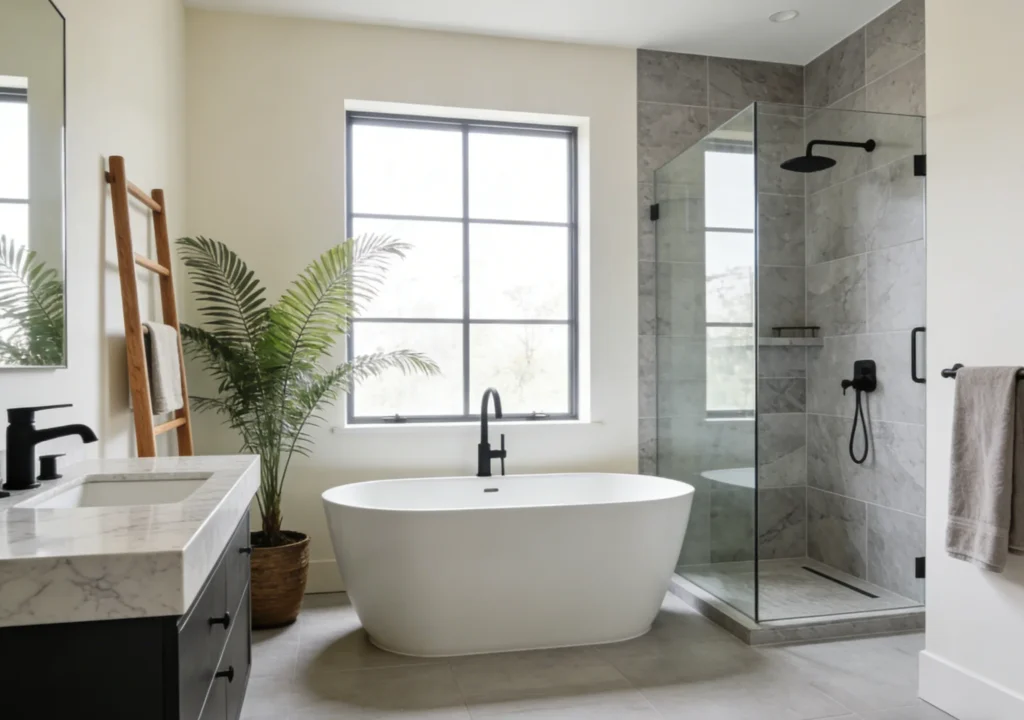
Introduction: The Durable Luxury of Quartz Tile
Quartz tile—an engineered stone made from 90%+ natural quartz crystals mixed with resin and pigments—combines the beauty of natural stone with unmatched durability . Unlike porous natural stones (marble, limestone), it’s non-porous, stain-resistant, and scratch-proof, making it ideal for high-traffic, high-moisture areas. Available in a vast range of colors, patterns, and finishes (polished, matte, honed), it mimics marble, granite, or concrete while requiring minimal maintenance. Perfect for modern, luxury, or family-friendly homes, quartz tile balances style and practicality seamlessly.
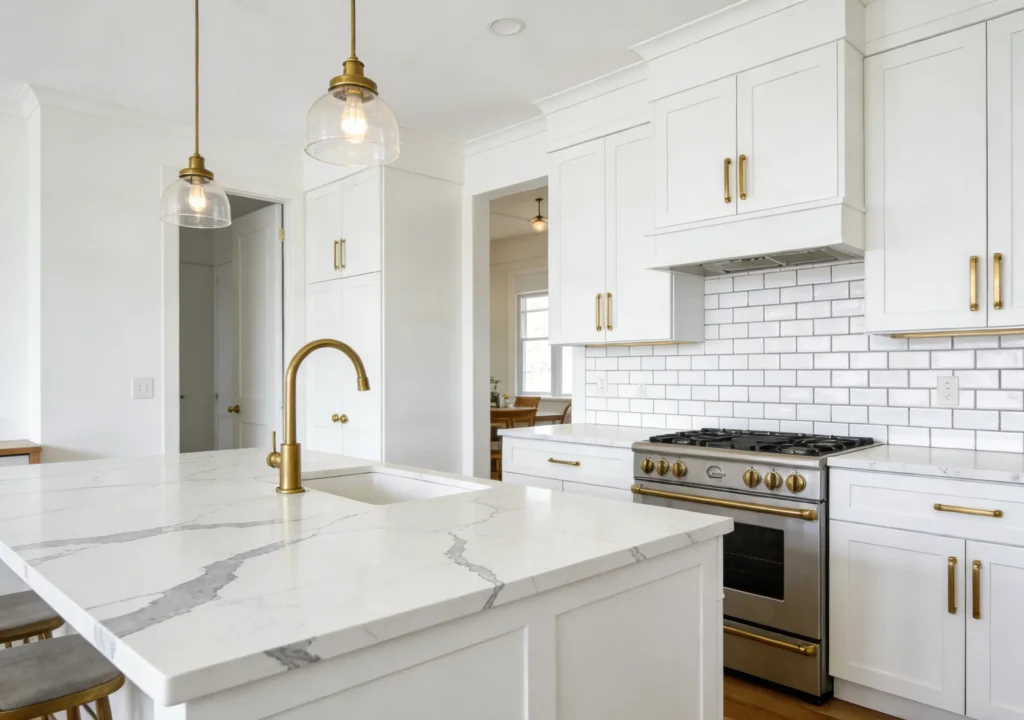
Top 4 Uses for Quartz Tile in Homes
Quartz tile’s non-porous nature and durability shine in spaces that demand both luxury and resilience—here are its most ideal applications:
- Kitchen Countertops/Backsplashes: Resists oil splatters, heat, and stains (coffee, wine); vein-patterned quartz mimics marble without the maintenance.
- Bathroom Walls/Showers: 100% waterproof (no sealing needed) – perfect for shower surrounds and vanity tops, preventing mold and water damage.
- Outdoor Patios (Polished): Frost-resistant quartz tile (engineered for outdoors) adds a sleek look to patios, pairing with outdoor furniture and greenery.
- Commercial/High-Traffic Areas: Scratch and impact-resistant, it works for entryways, mudrooms, or home offices—stands up to pets, furniture, and daily wear.
How to Choose Quartz Tile: Key Factors
Quartz tile’s engineered nature means careful selection to match your needs—follow these tips:
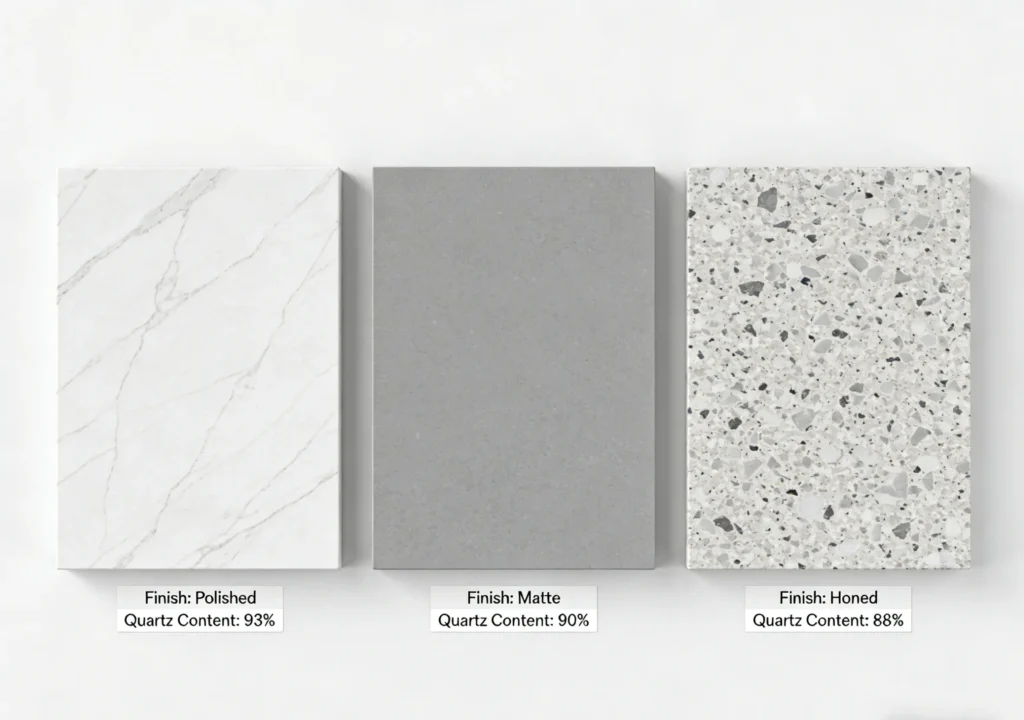
- Quartz Content: Opt for tiles with 90%+ quartz (higher content = more durability); avoid low-quartz options (prone to chipping).
- Finish: Polished (high-shine, reflective—brightens dark kitchens); Matte (slip-resistant, modern—ideal for bathroom floors); Honed (soft, subtle—great for walls/accents).
- Pattern: Solid-color quartz (minimalist, easy to match); Veined quartz (marble/granite look—adds luxury); Terrazzo-look quartz (speckled, retro-modern—perfect for accents).
Quartz Tile Installation Tips (Pro Recommended)
Quartz tile’s weight (heavier than ceramic) requires professional installation for long-lasting results—here’s what to expect:
- Reinforce the Substrate: Use cement board for walls and reinforced plywood subfloors for floors (supports quartz’s weight, prevents sagging).
- Use the Right Adhesive: Choose modified thinset mortar (epoxy-based for outdoor installations) – ensures strong adhesion to quartz’s smooth surface.
- Cut with Precision: Use a wet saw with a diamond blade (quartz is hard—regular blades chip edges); avoid manual cutters for clean lines.
How to Maintain Quartz Tile (Low Effort)
Quartz tile’s non-porous nature makes it one of the easiest tiles to maintain—follow these simple rules:
- Daily Cleaning: Wipe with a damp microfiber cloth and mild soap (no harsh chemicals needed); removes spills, dust, and grime effortlessly.
- Heat Protection: While heat-resistant, use trivets under hot pans (extreme heat can damage the resin binding—avoids discoloration).
- Avoid Abrasives: Skip scouring pads or abrasive cleaners (can scratch polished finishes); use a soft brush for tough spots.
Conclusion
Quartz tile is a smart investment for homeowners wanting luxury, durability, and low maintenance. Its engineered design eliminates the drawbacks of natural stone (porosity, staining, scratching) while retaining its beauty, making it perfect for busy families and high-traffic spaces. By choosing the right finish and pattern, hiring a pro for installation, and keeping up with simple cleaning, quartz tile will enhance your home’s style for decades.