Introduction: The Importance of Bathroom Floor Tile
Bathroom floor tile isn’t just about looks—it needs to balance water resistance, durability, and style. Unlike other rooms, bathrooms face constant moisture, so choosing the right tile prevents mold, slips, and long-term damage. Whether you want a cozy, spa-like feel or a modern edge, the right floor tile sets the tone for your entire bathroom design.
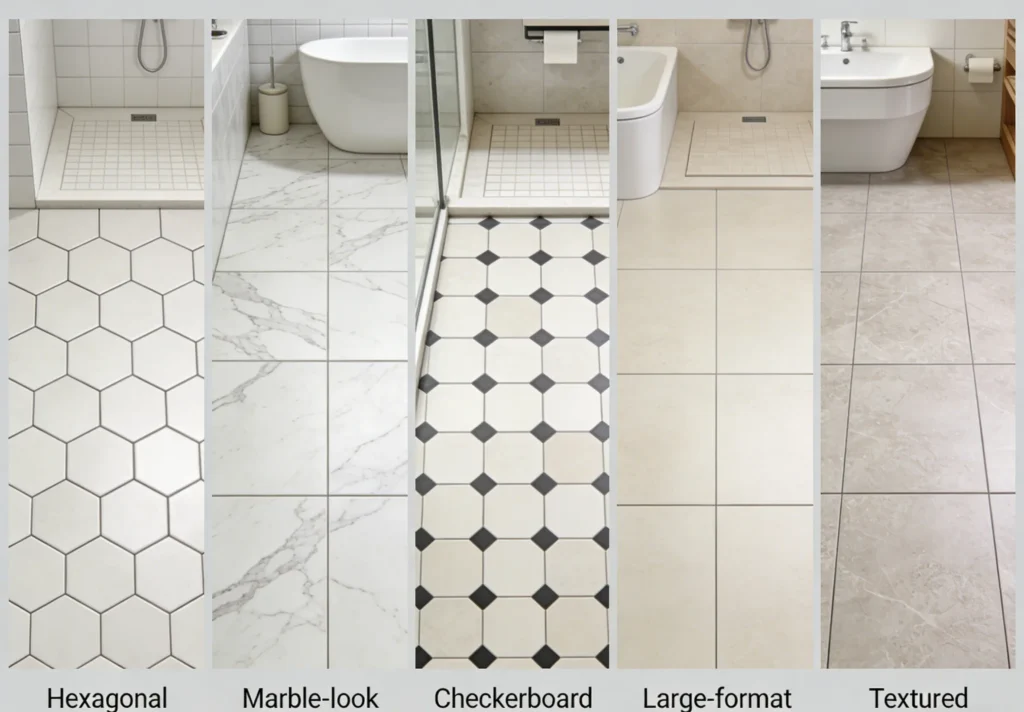
Top 5 Bathroom Floor Tile Ideas for 2024
Stay on-trend with these functional and stylish tile options:
Hexagonal Tiles: Small or large hexagons (in white, gray, or black) add geometric interest without overwhelming small spaces.
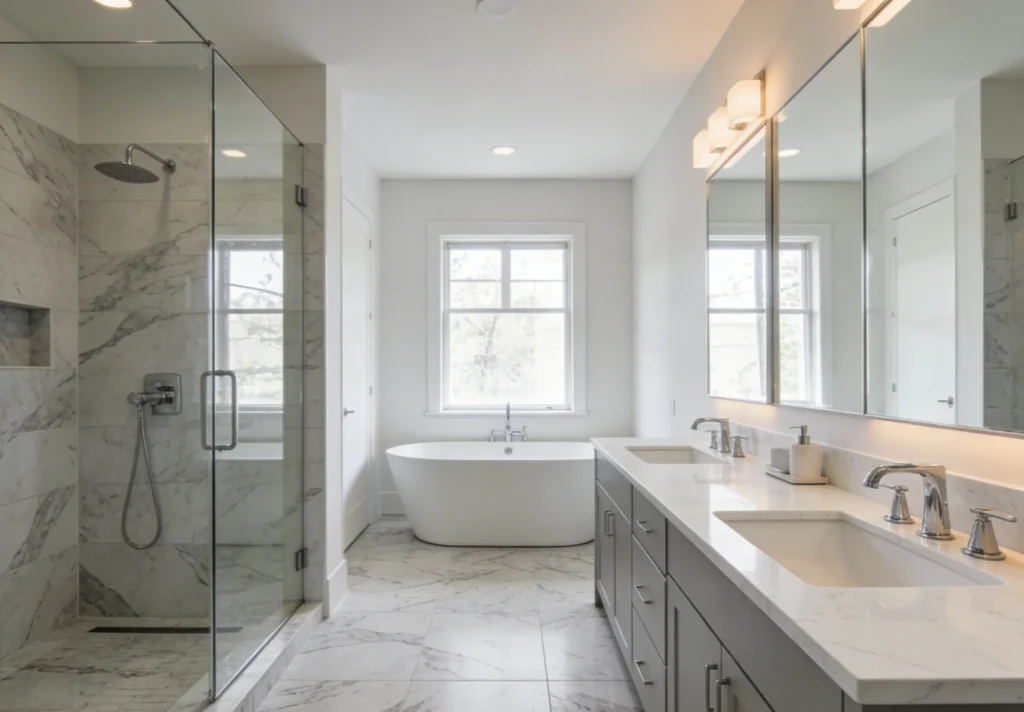
Marble-Look Porcelain: Offers the luxury of marble at a lower cost, with better water resistance and easier maintenance.
Checkerboard Tiles: Classic black-and-white checkerboard patterns bring timeless charm to traditional or retro bathrooms.
Large-Format Tiles: 12×24-inch or bigger tiles reduce grout lines (easier to clean) and make small bathrooms feel more spacious.
Textured Tiles: Matte, textured tiles (like slate-look) prevent slips—ideal for showers or family bathrooms.
How to Choose Bathroom Floor Tiles for Small Bathrooms
Small bathrooms need tiles that maximize space and light—follow these tips:
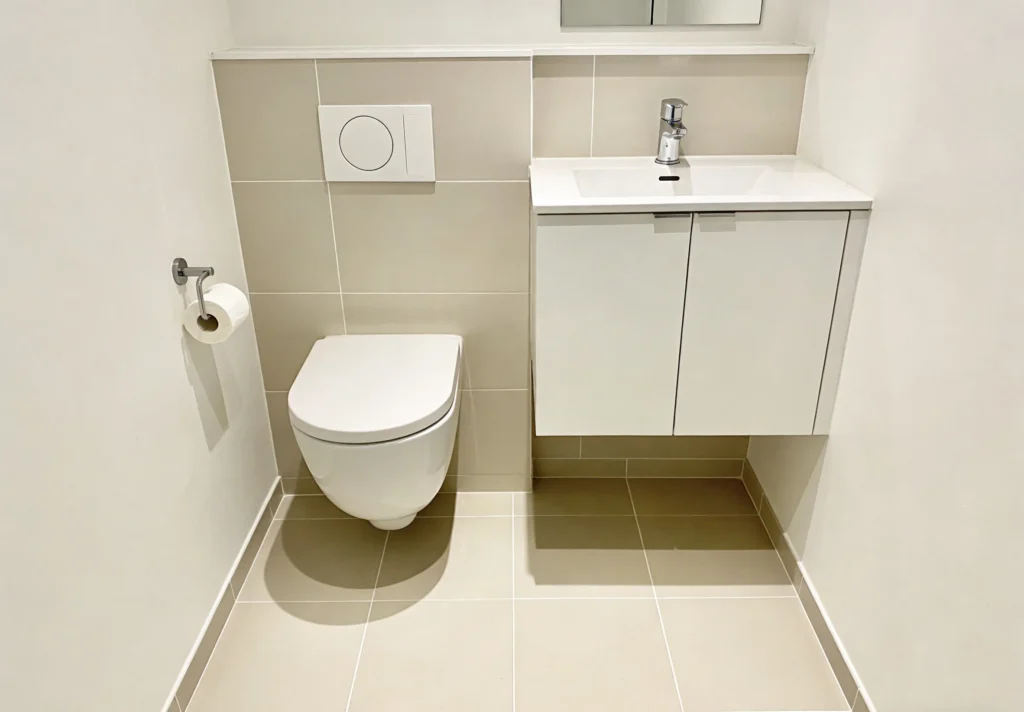
Light Colors: Opt for white, beige, or light gray tiles to reflect light and make the room feel bigger.
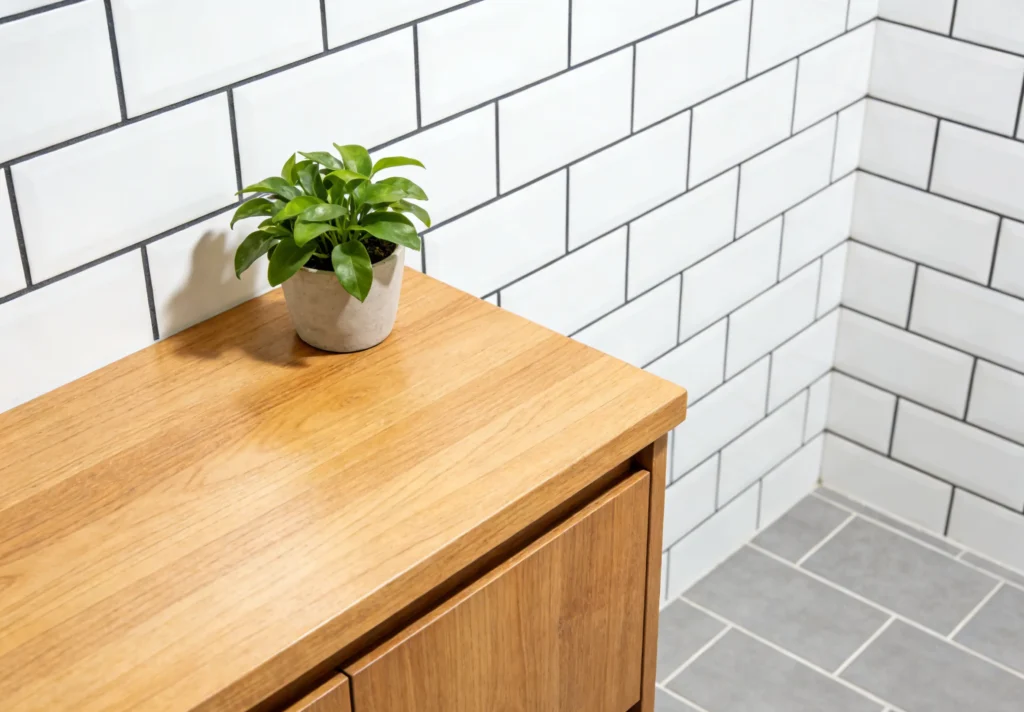
Minimize Grout: Use large-format tiles or matching grout (e.g., white grout with white tiles) to reduce visual clutter.
Avoid Busy Patterns: Stick to solid colors or subtle textures—busy prints can make small spaces feel cramped.
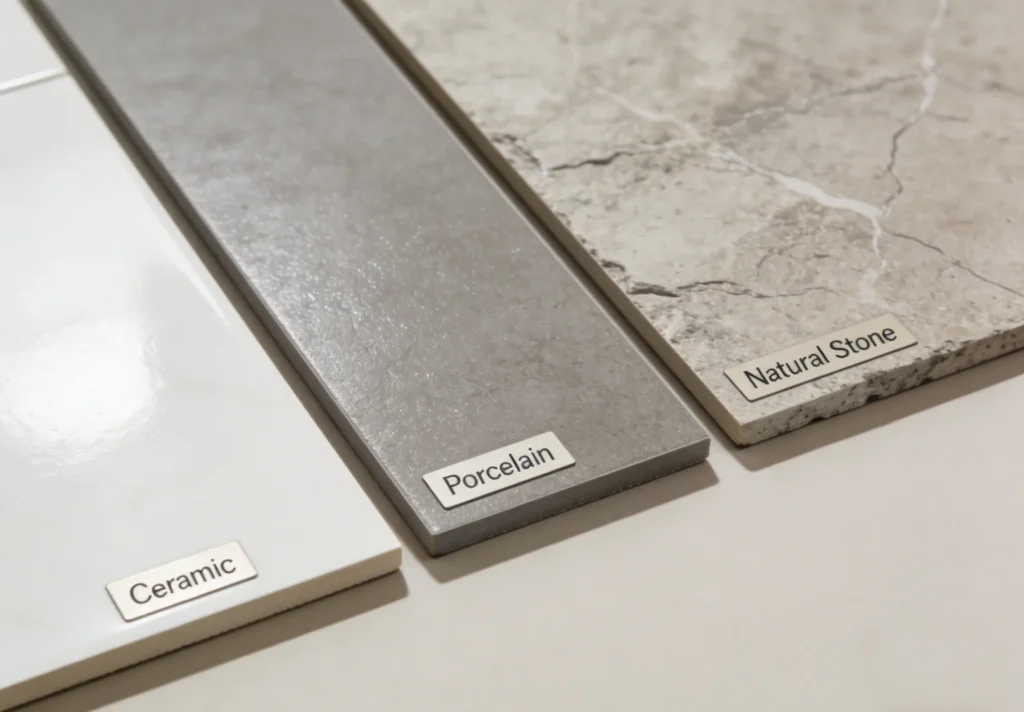
Bathroom Floor Tile Material Comparison
Not all tile materials work for bathrooms—here’s how to pick the best one:
Material
Pros
Cons
Best For
Ceramic
Affordable, water-resistant, easy to clean
Less durable than porcelain
Guest bathrooms, low-traffic areas
Porcelain
Highly durable, waterproof, scratch-resistant
More expensive, heavier to install
Master bathrooms, showers, high-traffic areas
Natural Stone (Slate/Travertine)
Unique texture, luxurious look
Needs sealing (yearly), prone to staining
Spa-like bathrooms, homeowners willing to maintain
Key Installation Tips for Bathroom Floor Tiles
Proper installation ensures your tiles last—don’t skip these steps:
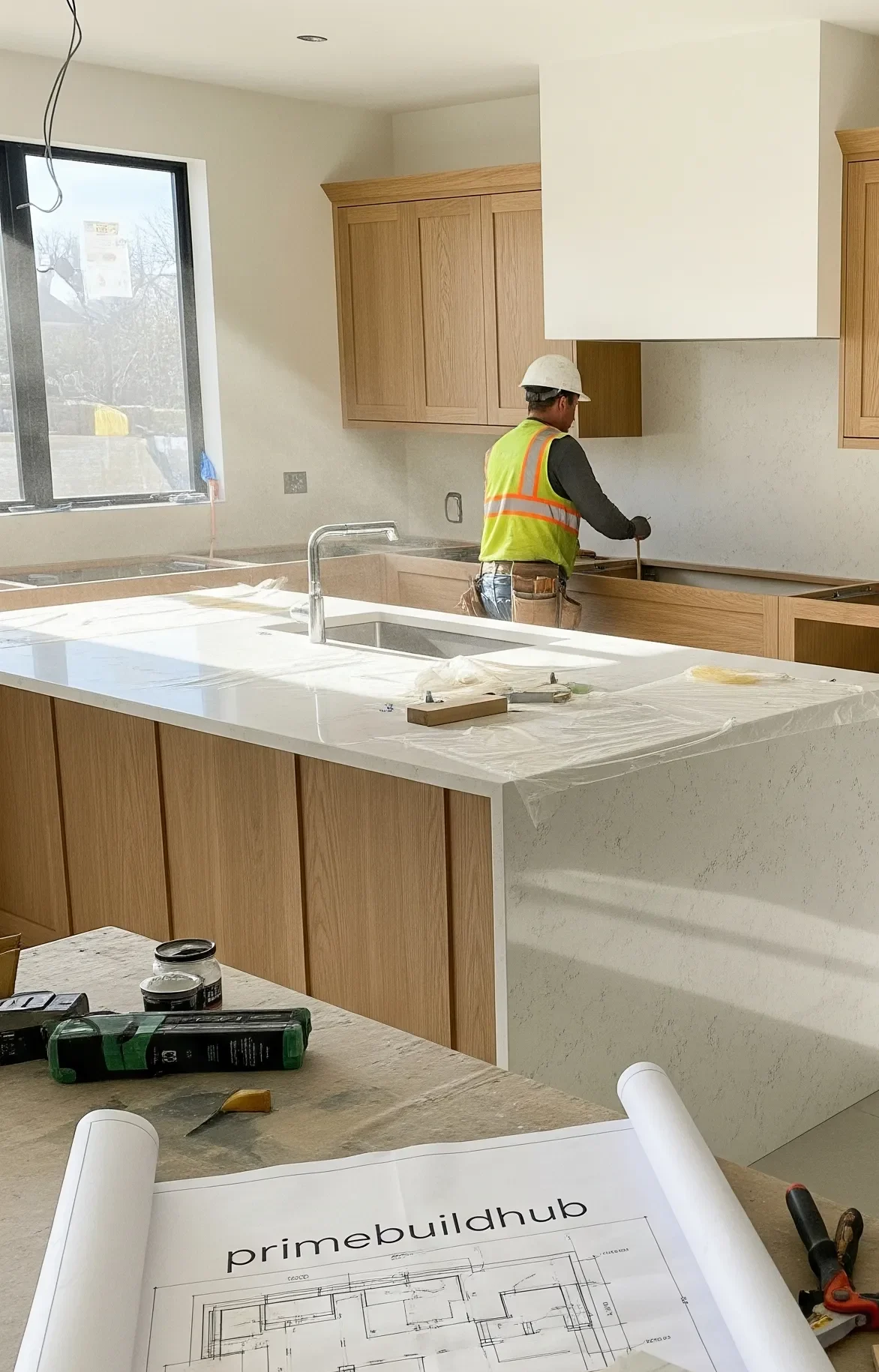
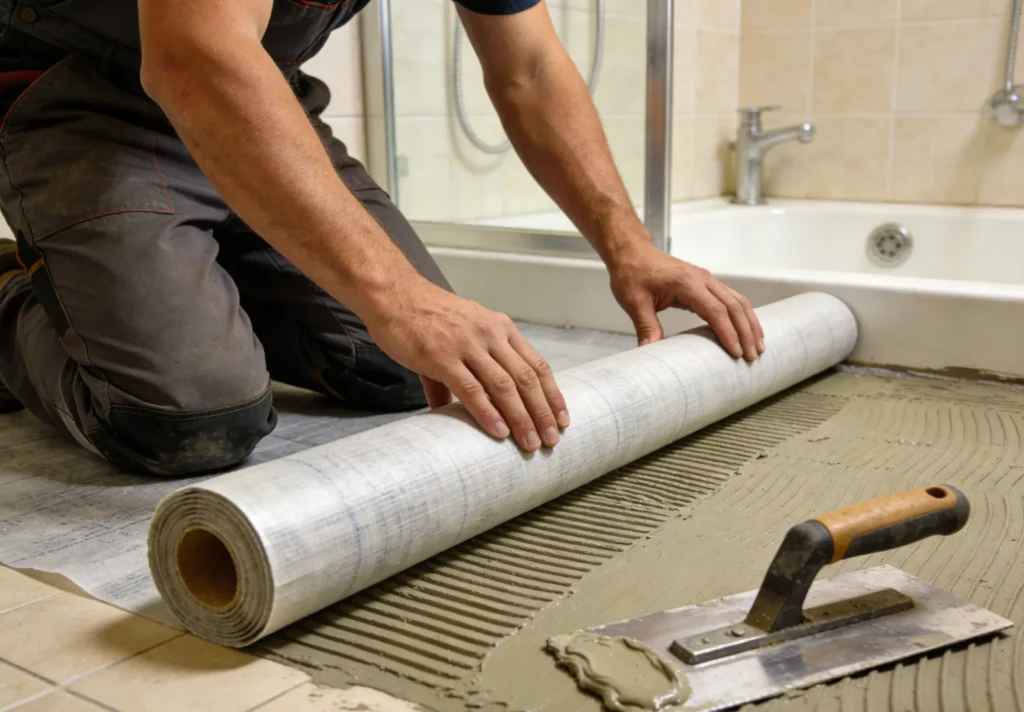
Waterproof Underlayment: Install a waterproof membrane (e.g., Schluter) under tiles to prevent water from seeping into subfloors.
Slope the Floor: Tilt the floor slightly toward the drain (1/4 inch per foot) to avoid standing water.
Grout Sealing: After installation, seal grout lines with a water-resistant sealer to prevent mold and staining.
How to Maintain Bathroom Floor Tiles
Keep your tiles looking new with simple upkeep:
Daily Cleaning: Wipe up spills immediately with a damp cloth to prevent stains.
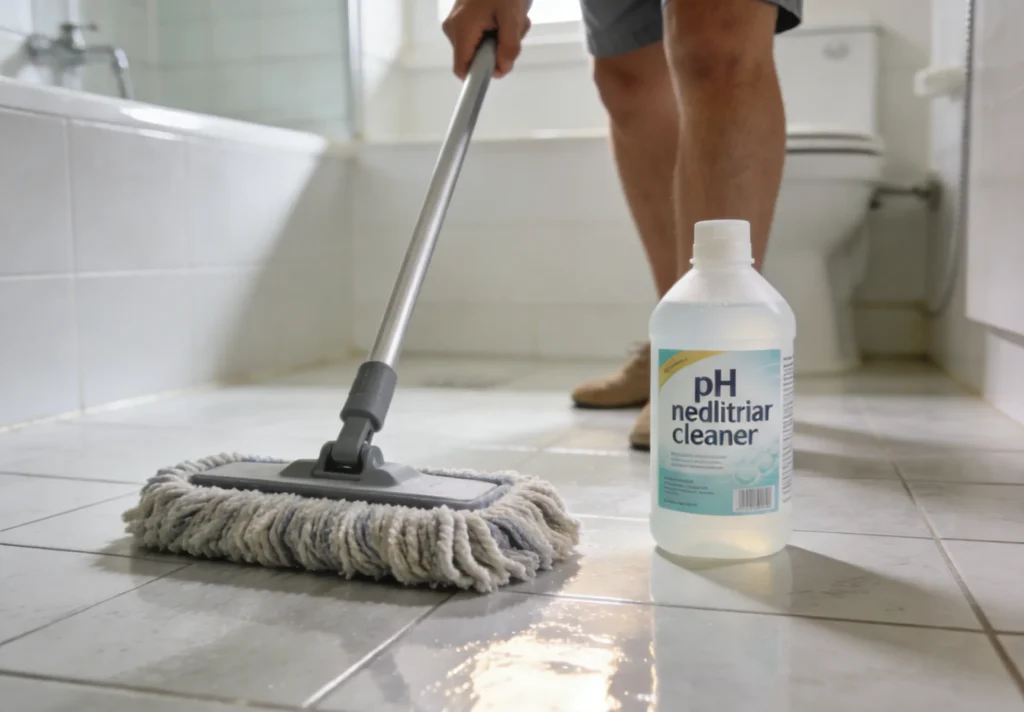
Weekly Mopping: Use a mild, pH-neutral cleaner (avoid vinegar or bleach) to clean tiles without damaging grout.
Grout Care: Scrub grout lines monthly with a soft brush and grout cleaner—re-seal every 1–2 years.
Conclusion
Bathroom floor tiles are a long-term investment—choosing the right style and material balances beauty and functionality. Whether you’re renovating a small powder room or a large master bath, the ideas above will help you find tiles that fit your budget, style, and lifestyle. With proper installation and maintenance, your bathroom floor can stay beautiful for years.