Ceramic tile stands out as one of the most popular home design materials—thanks to its affordability, versatility, and easy maintenance. Made from clay fired at high temperatures, it comes in endless colors, patterns, and sizes, fitting both modern and traditional spaces. Unlike expensive natural stone, ceramic tile offers durability without breaking the bank, making it ideal for renters, new homeowners, or anyone updating on a budget.
Top 5 Uses for Ceramic Tile in Homes
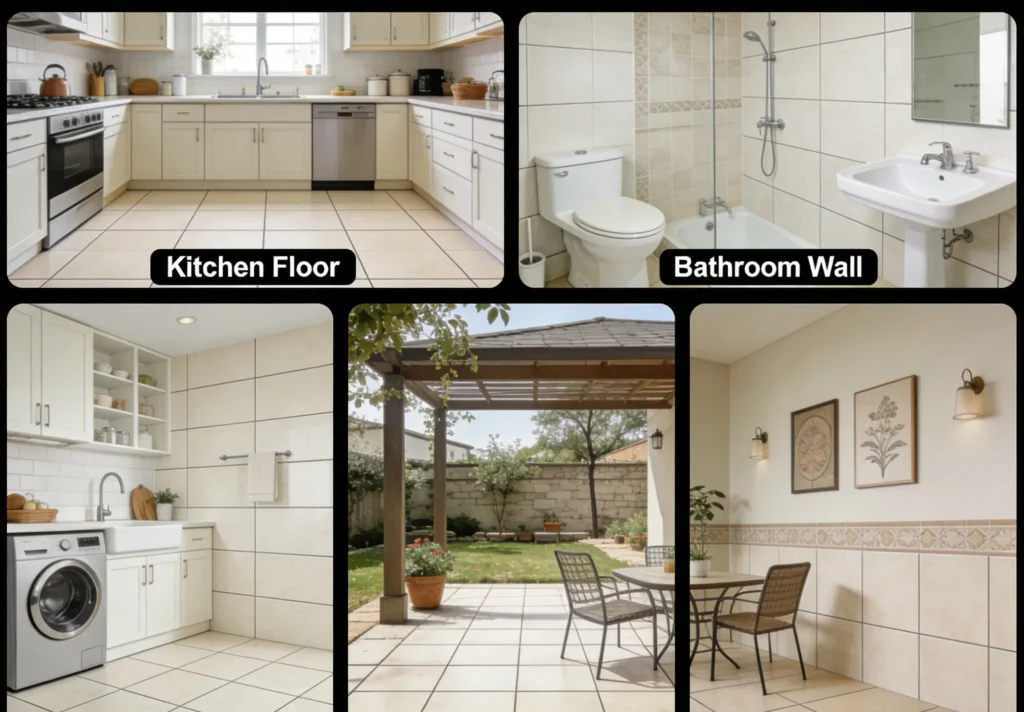
Ceramic tile’s adaptability makes it suitable for nearly every room—here are the most practical applications:
Kitchen Floors: Resists oil spills and scratches; easy to wipe clean after cooking.
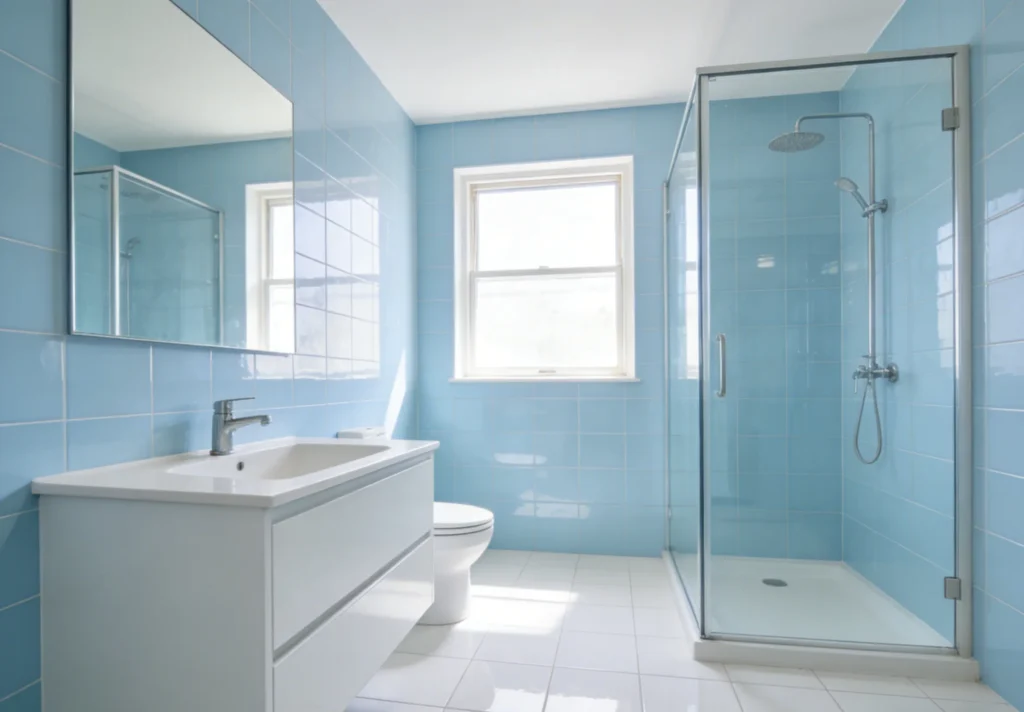
Bathroom Walls/Floors: Glazed ceramic is waterproof, preventing mold growth in moist areas.
Laundry Rooms: Stands up to detergent spills and heavy appliances (e.g., washers, dryers).
Outdoor Patios/Balconies: Unglazed ceramic tile is slip-resistant, making it safe for outdoor foot traffic.
Accent Walls: Bold-patterned ceramic tile (e.g., Moroccan-inspired) adds visual interest to living rooms or bedrooms.
How to Buy the Right Ceramic Tile: Key Factors to Consider
Not all ceramic tiles are the same—focus on these details to avoid mistakes:
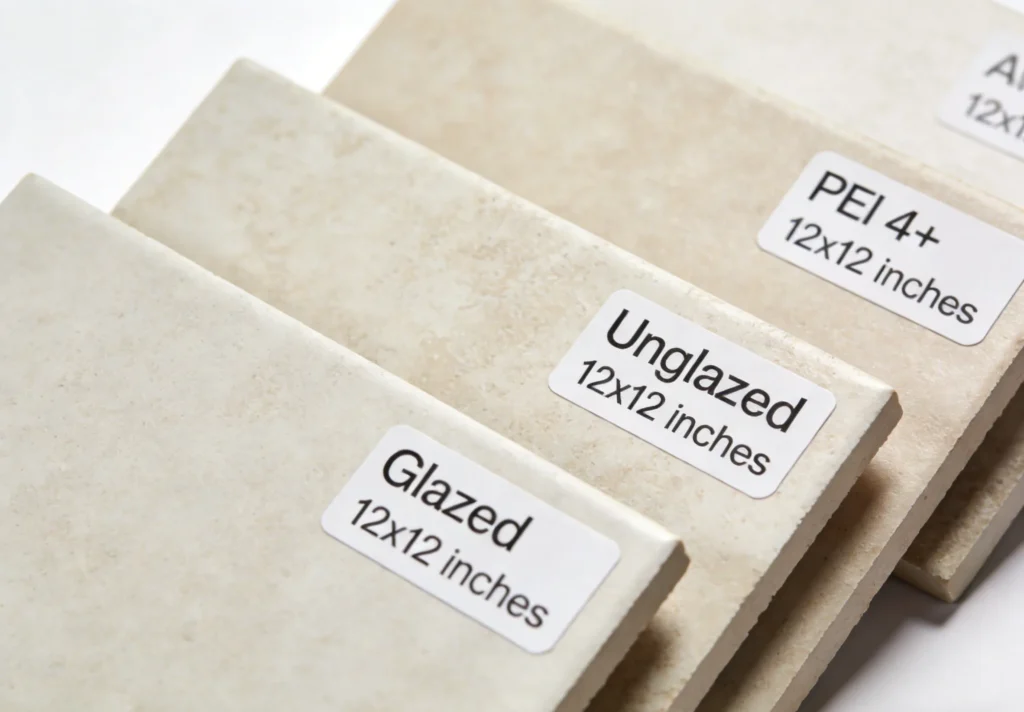
Tile Type: Choose glazed ceramic for indoor wet areas (bathrooms/kitchens) (waterproof); unglazed for outdoor spaces (slip-resistant).
Durability Rating: Check the PEI (Porcelain Enamel Institute) rating—PEI 4+ is best for high-traffic areas (entryways, kitchens); PEI 2-3 for low-traffic (bedrooms).
Size & Thickness: Small tiles (4×4 inches) work for backsplashes; large tiles (12×12 inches) for floors; thicker tiles (≥5mm) are more durable for heavy use.
Ceramic Tile vs. Porcelain Tile: What’s the Difference?
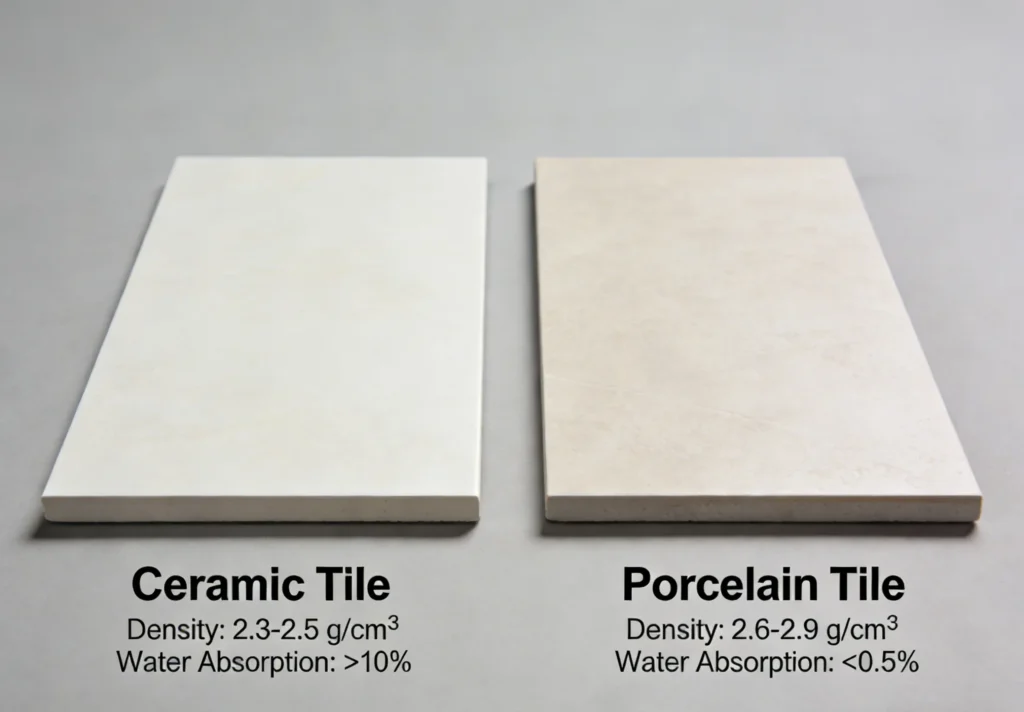
Many confuse ceramic and porcelain—here’s a clear comparison to help you choose:
Feature
Ceramic Tile
Porcelain Tile
原料 (Material)
Clay (lower density)
Clay + minerals (higher density)
吸水性 (Water Absorption)
Higher (≥3%) – needs sealing for wet areas
Lower (<0.5%) – fully waterproof
价格 (Price)
More affordable (avg. $1–$5/sq ft)
More expensive (avg. $3–$10/sq ft)
耐用性 (Durability)
Good for low-to-medium traffic
Better for high traffic/heavy use
DIY Ceramic Tile Installation Tips
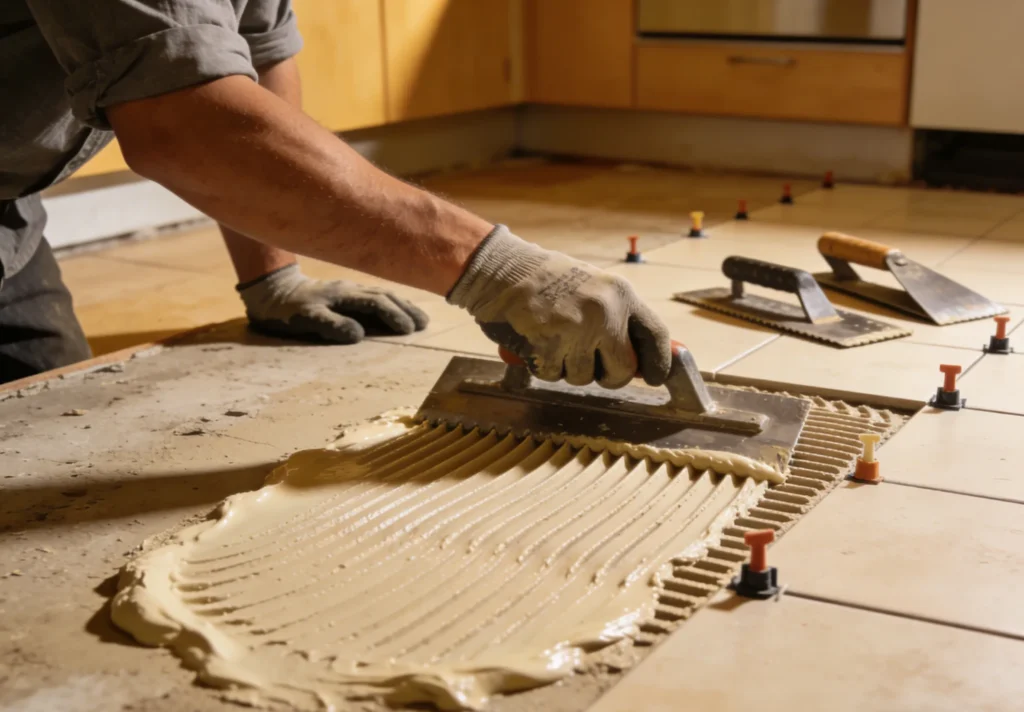
Ceramic tile is beginner-friendly—follow these steps for a smooth process:
Prepare the Surface: Ensure floors/walls are clean, dry, and level; repair cracks with filler to avoid tile breakage.
Use the Right Adhesive: For floors, use floor tile adhesive; for walls, choose wall tile mortar (lighter weight).
Leave Expansion Gaps: Add 1/4-inch gaps between tiles and walls—prevents cracking as the house settles.
Grout & Seal: After tiles dry 24 hours, apply grout; seal grout lines (especially in wet areas) to resist stains.
How to Maintain Ceramic Tile
Keep ceramic tile looking new with minimal effort:
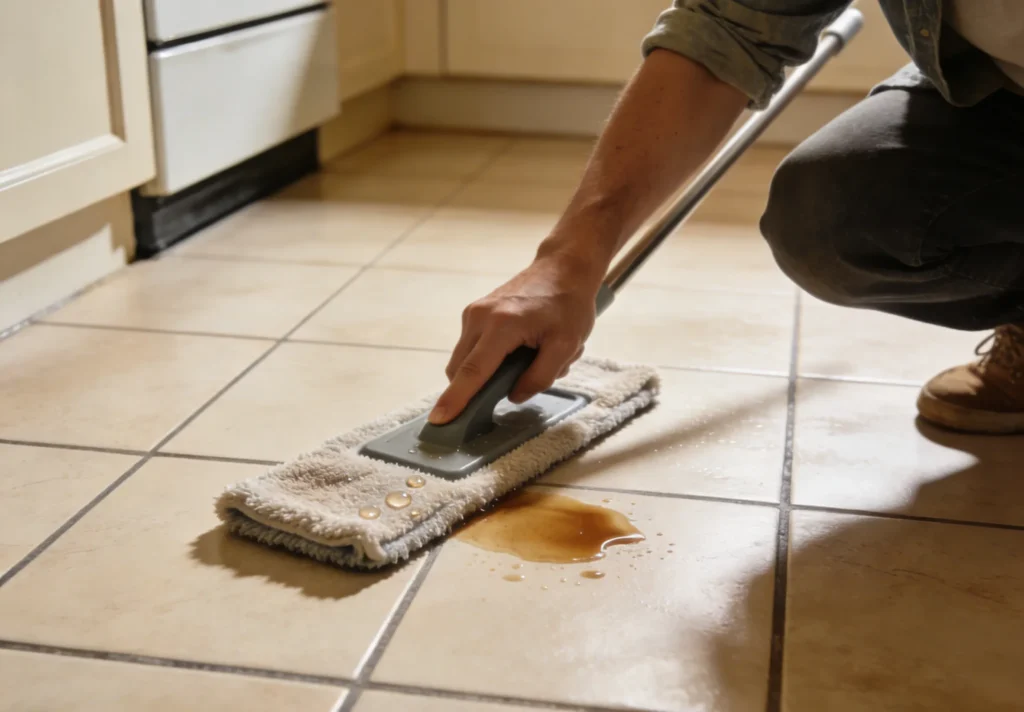
Daily Cleaning: Sweep floors or wipe walls with a damp cloth—avoid abrasive brushes that scratch glazed surfaces.
Tackle Stains: For tough stains (e.g., wine, coffee), use a mix of baking soda and water; let sit 15 minutes, then wipe.
Prevent Scratches: Use furniture pads under chairs/tables; avoid dragging heavy items across tile floors.
Conclusion
Ceramic tile is a smart choice for anyone wanting style, durability, and affordability. Whether you’re updating a kitchen floor, bathroom wall, or outdoor patio, it adapts to your needs and budget. By choosing the right type, installing carefully, and maintaining regularly, ceramic tile can enhance your home’s look for years—without the high cost of other materials.