Glazed vs. Unglazed Terracotta Tile: A Complete Guide
Introduction: The Warmth of Terracotta Tile
Terracotta tile—made from fired red clay—brings earthy, rustic charm to any home, with its natural orange-brown hues and textured surface. Originating from Mediterranean and Spanish-style design, it adds warmth to spaces, making it perfect for cozy kitchens, outdoor patios, or bohemian-inspired rooms. While it’s porous (needs sealing) and prone to staining if unmaintained, its unique, handcrafted look (no two tiles are identical) makes it a favorite for homeowners wanting to avoid “cookie-cutter” decor.
Top 4 Uses for Terracotta Tile in Homes
Terracotta’s warm tone and texture shine in spaces that embrace “natural” design—here are its most practical applications:
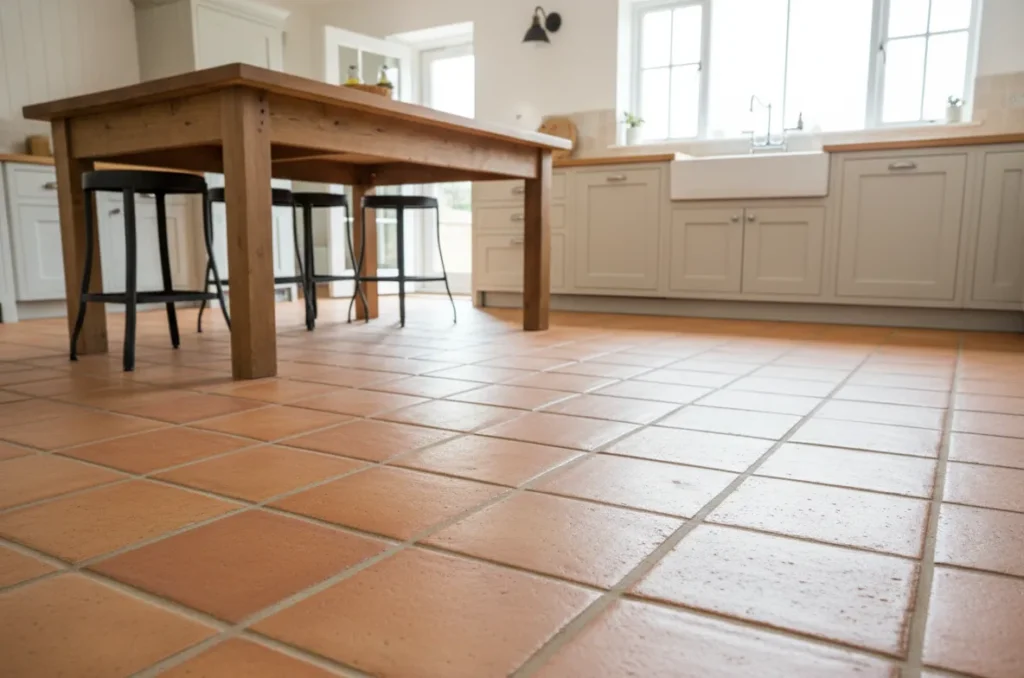
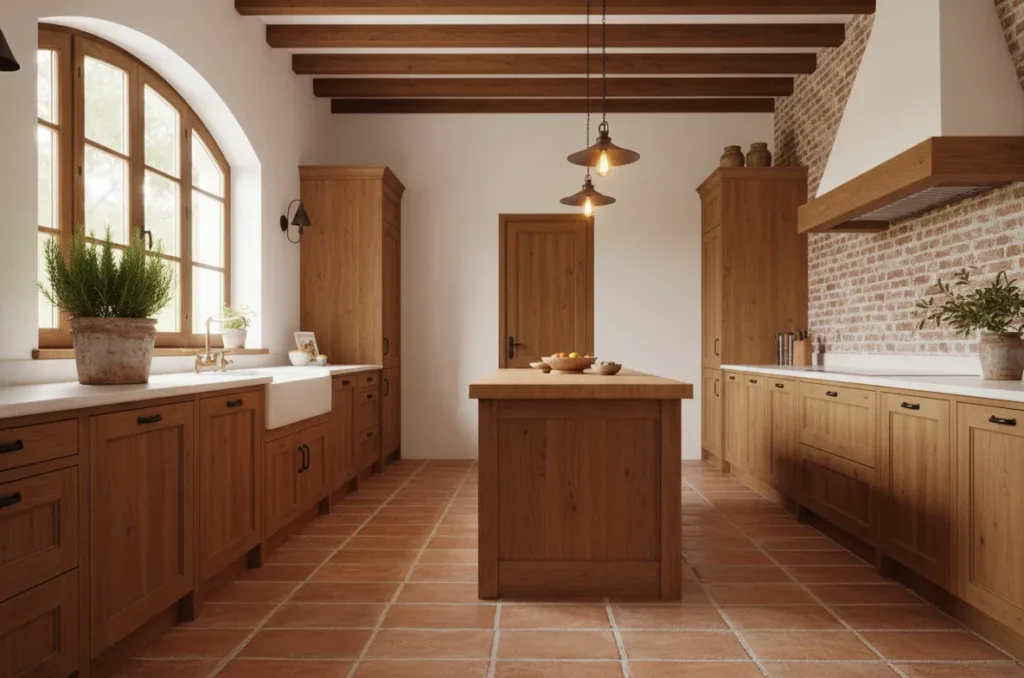
Kitchen Floors: Adds a cozy, farmhouse or Mediterranean vibe; pairs with wooden cabinets, white countertops, and potted herbs for a “rustic-modern” look.
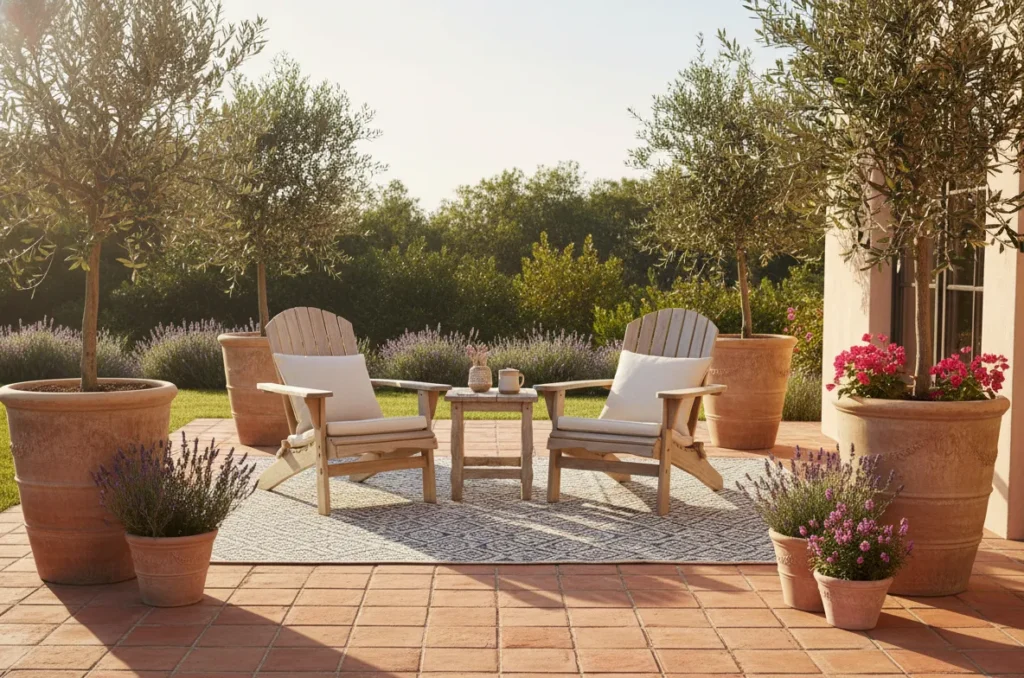
Outdoor Patios/Paths: Unglazed terracotta is frost-resistant (when sealed) and blends with garden greenery—ideal for creating an indoor-outdoor flow.
Bathroom Walls (Glazed): Glazed terracotta tile resists moisture; use it for accent walls or shower surrounds to add warmth to otherwise cool bathroom spaces.
Entryway Floors: Creates a welcoming first impression; pair with a jute rug and wooden shoe rack to amplify its earthy charm.
How to Choose Terracotta Tile: Key Factors
Terracotta’s porosity and texture require careful selection—follow these tips to avoid mistakes:
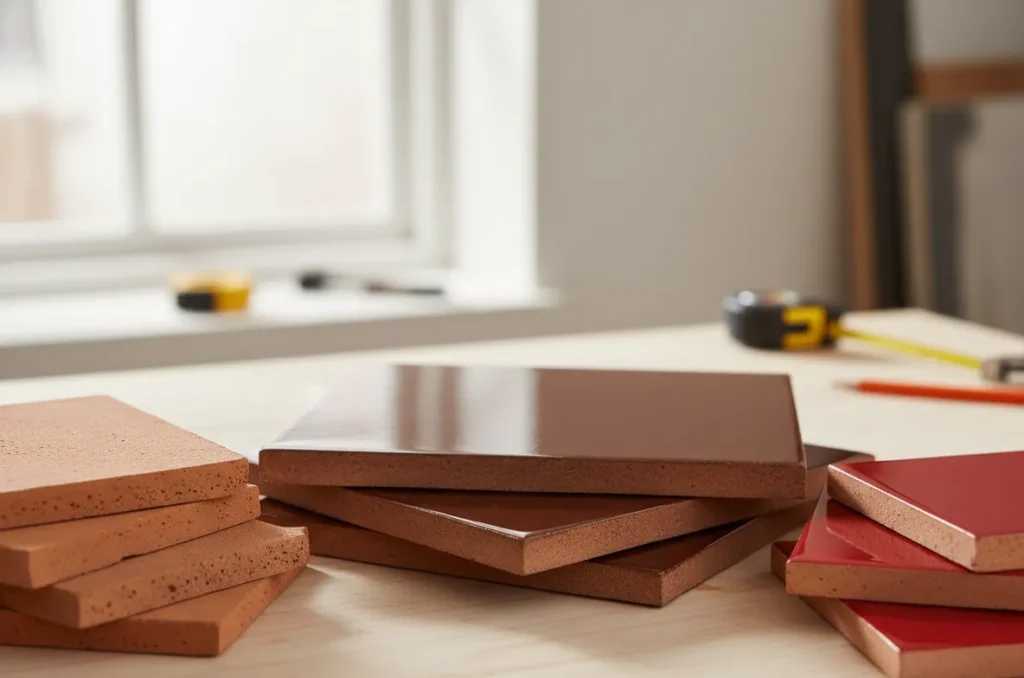
Glazed vs. Unglazed: Glazed (water-resistant, easy to clean—best for bathrooms/kitchens); Unglazed (porous, needs sealing—ideal for outdoor patios/entryways, as it develops a “patina” over time).
Size: Small tiles (4×4, 6×6 inches) = classic Mediterranean look; Large tiles (12×12 inches) = modern rustic style (fewer grout lines, less “busy” texture).
Color: Natural terracotta (orange-brown, timeless); Stained terracotta (deep red, chocolate brown—adds depth, best for accent walls).
Terracotta Tile Installation Tips (Critical for Durability)
Terracotta’s porosity and weight require specific installation steps—here’s what to do:
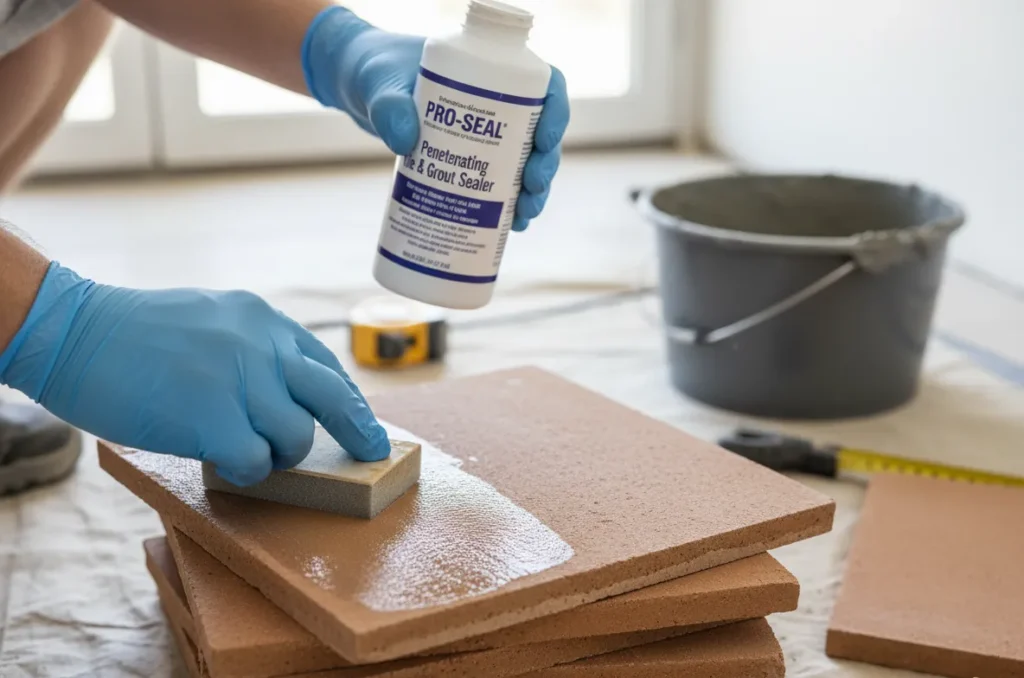
Seal Before Laying: Apply a penetrating sealer to unglazed terracotta (2–3 coats) – prevents mortar from seeping into pores and causing permanent stains.
Use a Cement Backer Board: For indoor walls/floors, avoid drywall—cement board resists moisture and supports terracotta’s weight (avoids cracking).
Grout Choice: Use sanded grout (1/8-inch gaps) for outdoor/large tiles; match grout color to tile (e.g., brown grout with natural terracotta) for a cohesive look.
How to Maintain Terracotta Tile (Preserve Its Charm)
Terracotta needs regular care to avoid staining and damage—follow these rules:
Reseal Annually: For unglazed terracotta, reapply penetrating sealer once a year (twice for outdoor tiles) to block moisture and stains (e.g., wine, oil).
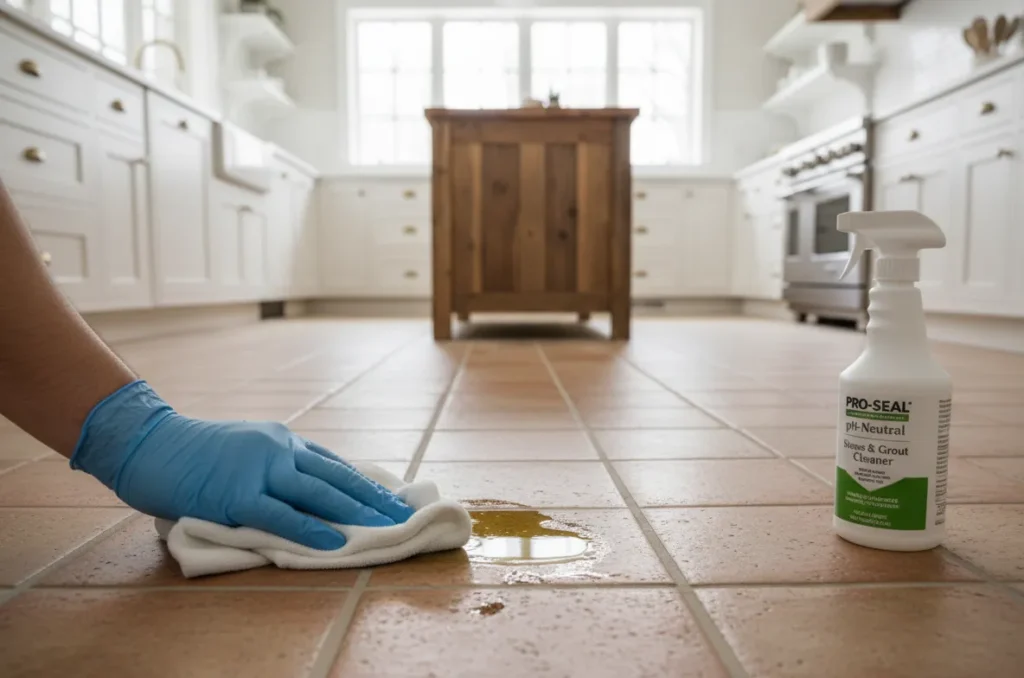
Clean Gently: Use a pH-neutral cleaner and soft brush—avoid acidic cleaners (vinegar, lemon) that etch glazed surfaces or discolor unglazed tile.
Wipe Spills Fast: Terracotta absorbs liquids quickly—wipe up spills (especially dark ones like coffee or red wine) within minutes to prevent permanent staining.
Conclusion
Terracotta tile is a timeless choice for homeowners wanting to add warmth and rustic charm to their spaces. While it requires more maintenance than porcelain or ceramic, its unique, earthy look and ability to develop character over time make it worth the effort. By choosing the right type (glazed/unglazed), installing carefully, and keeping up with sealing, it will bring Mediterranean-inspired coziness to your home for decades.