Introduction: The Space-Saving Benefit of Large Format Tile
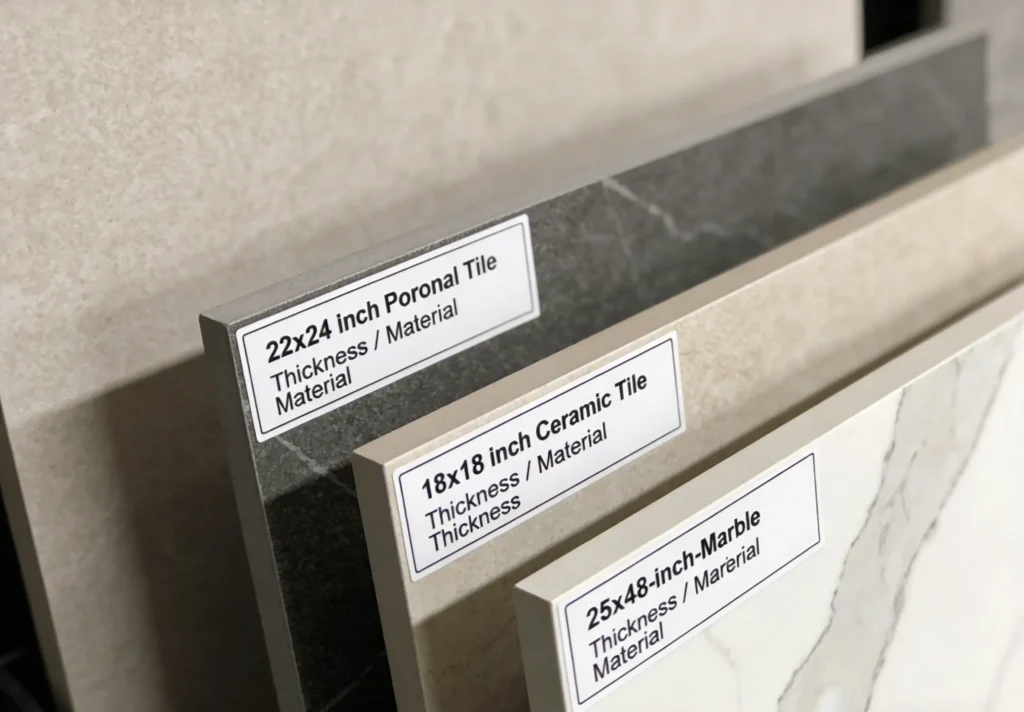
Large format tile—defined as tiles 12×12 inches or larger (common sizes: 18×18, 24×24, 24×48 inches)—is a game-changer for small or open spaces. Its biggest advantage? Fewer grout lines—this reduces visual clutter, makes cleaning easier, and creates a seamless look that tricks the eye into perceiving more space. It works with modern, minimalist, or contemporary styles, and is available in materials like porcelain, ceramic, and marble-look, making it versatile for any room.
Top 4 Uses for Large Format Tile in Homes
Large format tile excels in spaces where “less is more”—here are its most practical applications:
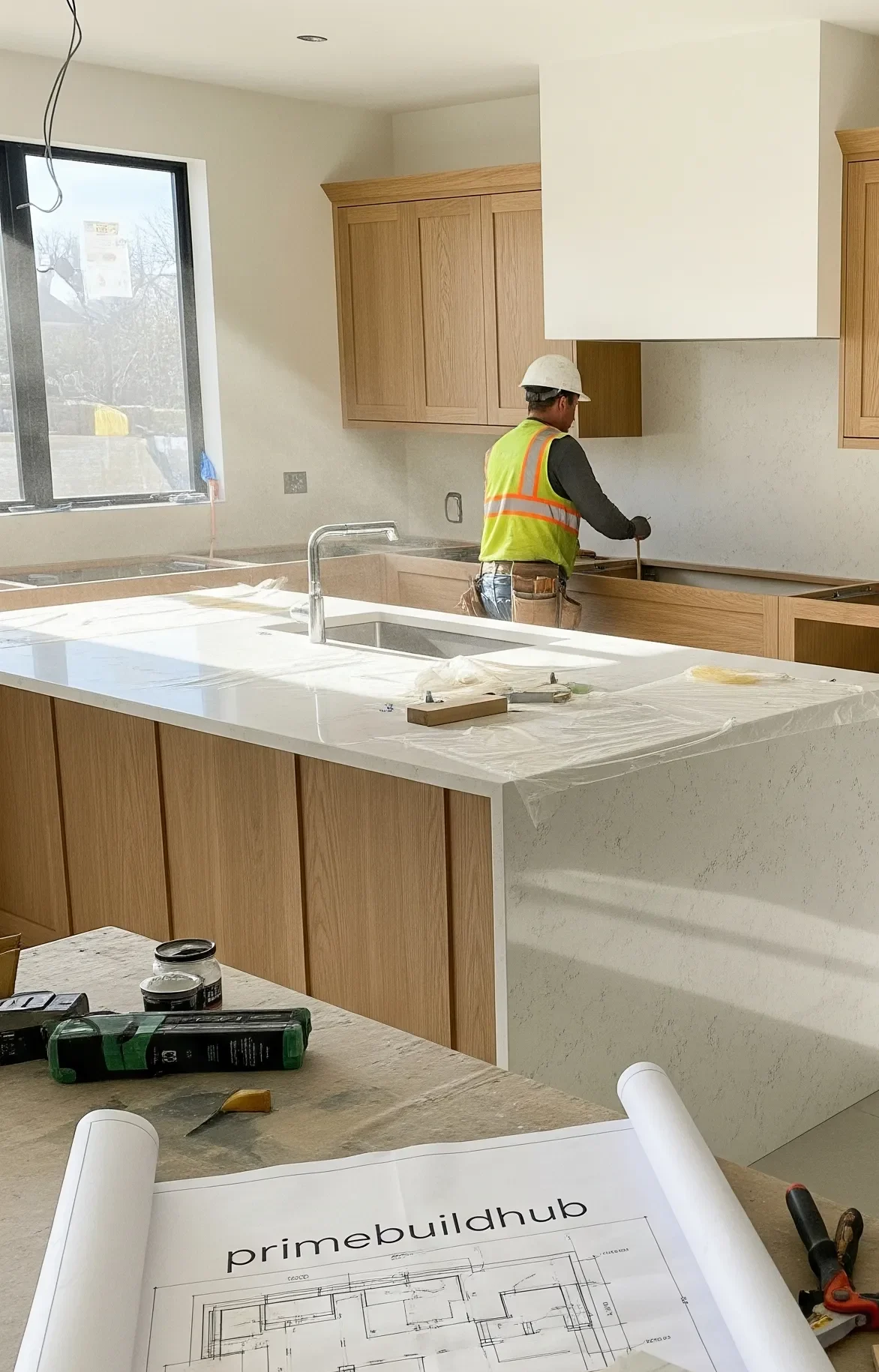
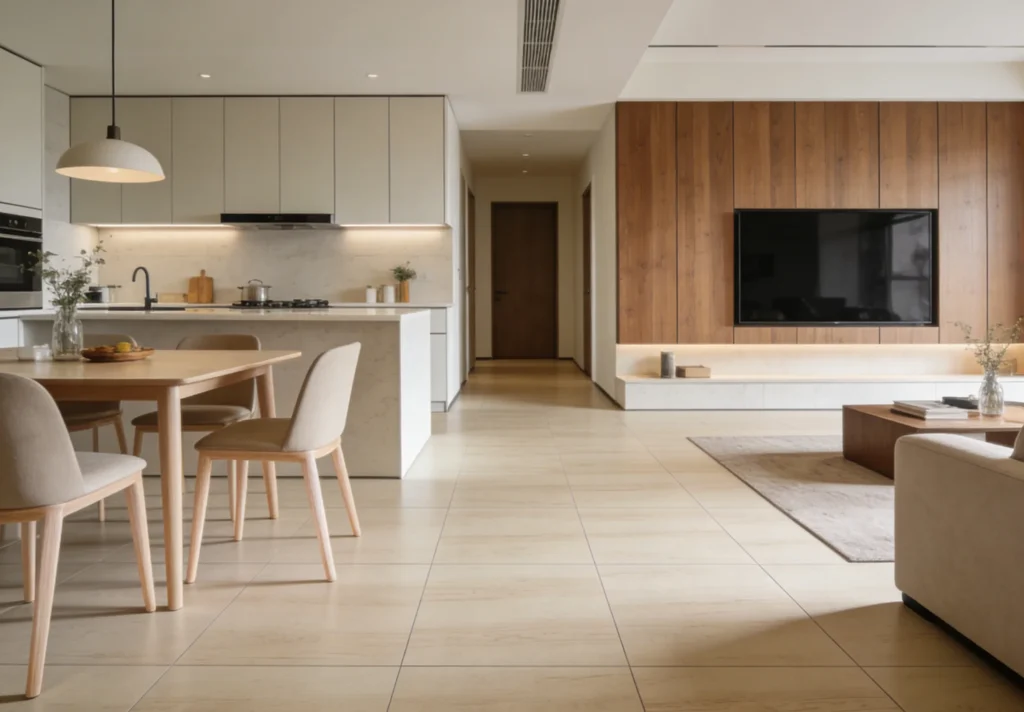
Kitchen Floors: Reduces grout lines (fewer spots for crumbs to hide) and pairs seamlessly with large countertops (e.g., quartz, granite) for a cohesive look.
Bathroom Walls/Floors: Makes small bathrooms feel bigger; use 24×48-inch tiles on walls to eliminate vertical grout lines and create a “panel” effect.
Open-Concept Spaces: Unifies living/dining/kitchen areas with a single tile floor—avoids disjointed looks from multiple flooring types.
Outdoor Patios: Large porcelain large format tiles (frost-resistant) mimic natural stone without the maintenance, creating an indoor-outdoor flow.
How to Choose Large Format Tile: Key Factors
Not all large format tiles fit every space—focus on these details to avoid mistakes:
Substrate Strength: Ensure floors/walls can support weight (large tiles weigh 5–10 lbs each); use cement board for walls and reinforced subfloors for floors.
Thickness: Opt for 6–10mm thickness for floors (prevents cracking under furniture); 3–5mm for walls (lighter weight).
Material: Porcelain (best for high-traffic/outdoor areas—waterproof, durable); ceramic (budget-friendly for dry indoor spaces); marble-look (luxury for bedrooms/living rooms).
Large Format Tile Installation Tips (Pro vs. DIY)
Large format tile’s size requires precision—here’s how to ensure success:
Level the Surface: Use a self-leveling compound on floors (uneven surfaces cause tiles to crack or lift); sand walls to remove bumps.
Use the Right Tools: Cut with a wet saw (large tiles need straight, clean cuts—manual cutters may chip edges); use a large-notched trowel (1/2-inch) to apply mortar evenly.
Work in Small Sections: Mortar dries fast—lay 1–2 tiles at a time, then press with a rubber mallet to ensure adhesion (use spacers for consistent grout lines).
How to Maintain Large Format Tile
Thanks to fewer grout lines, large format tile is low-maintenance—follow these steps:
Daily Cleaning: Sweep floors with a soft broom or vacuum (no beater bar); wipe walls with a damp cloth (avoid abrasive cleaners that scratch polished surfaces).
Grout Care: Clean grout lines monthly with a pH-neutral cleaner (fewer lines mean less time scrubbing); seal grout yearly (especially in wet areas like bathrooms).
Prevent Chips: Use furniture pads under heavy items; avoid dropping sharp objects (large tiles have more surface area to crack if hit).
Conclusion
Large format tile is the perfect choice for anyone wanting to maximize space and minimize maintenance. Its seamless look unifies rooms, its durability stands up to daily use, and its versatility fits nearly any design style. By choosing the right material, ensuring proper installation, and keeping up with simple care, it can transform your home into a sleek, spacious haven for years.