Porcelain tile is a top choice for high-performance home design, thanks to its dense composition and waterproof properties. Made from refined clay mixed with minerals (e.g., feldspar) and fired at ultra-high temperatures (1,200–1,400°C), it’s harder, more scratch-resistant, and less porous than ceramic tile. This makes it ideal for spaces that face moisture, heavy foot traffic, or daily wear—from bathrooms to outdoor patios.
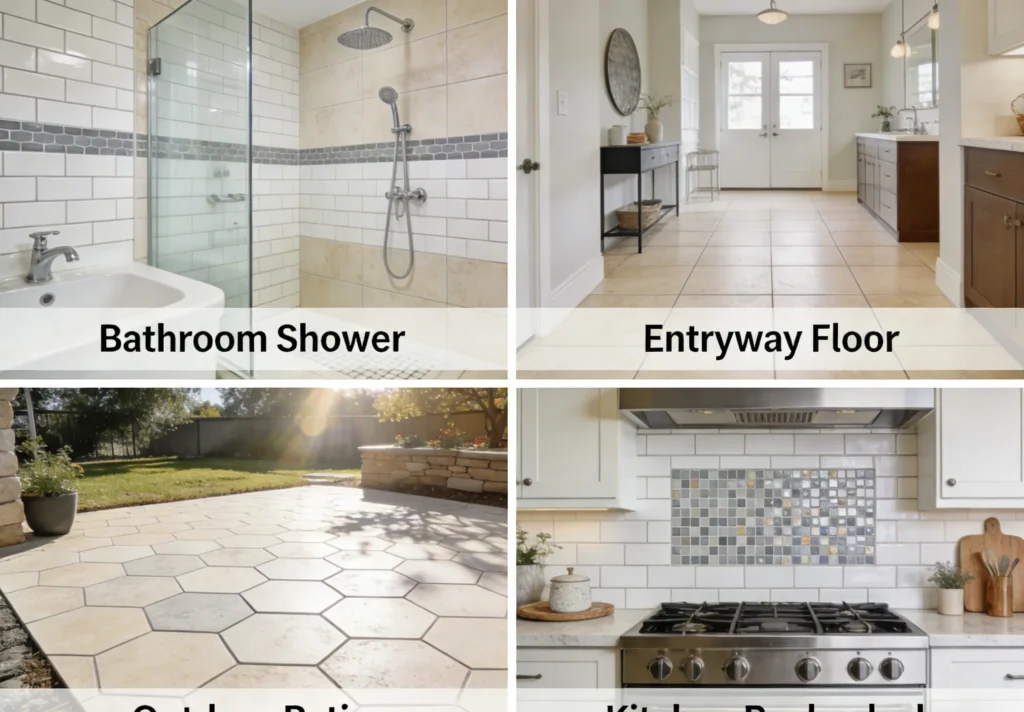
Top 4 Uses for Porcelain Tile in Homes
Porcelain’s strength and versatility make it perfect for demanding spaces:
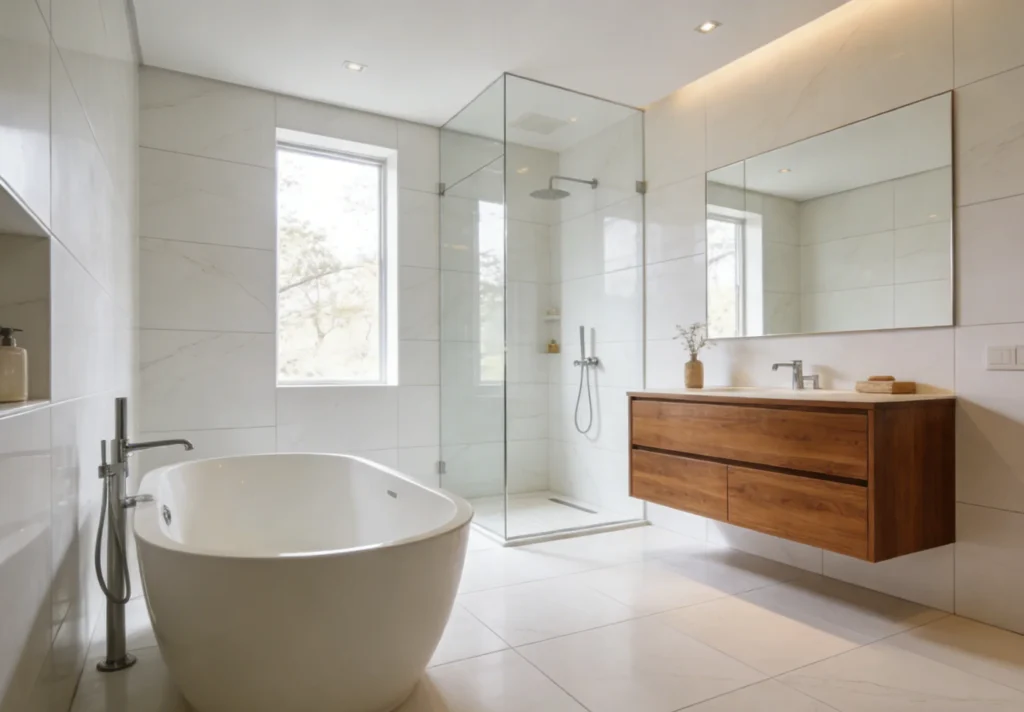
Bathroom Showers/Floors: Fully waterproof (absorbs <0.5% water) – no need for extra sealing, preventing mold and water damage.
High-Traffic Floors: Entryways, hallways, or family rooms – resists scratches from pets, furniture, or foot traffic.
Outdoor Spaces: Patios, decks, or pool surrounds – frost-resistant (won’t crack in cold weather) and slip-resistant when textured.
Kitchen Backsplashes: Stands up to oil splatters and heat (safe behind stoves) – easy to wipe clean with soap and water.
How to Choose the Right Porcelain Tile: Key Features
Not all porcelain tiles fit every need—focus on these details:
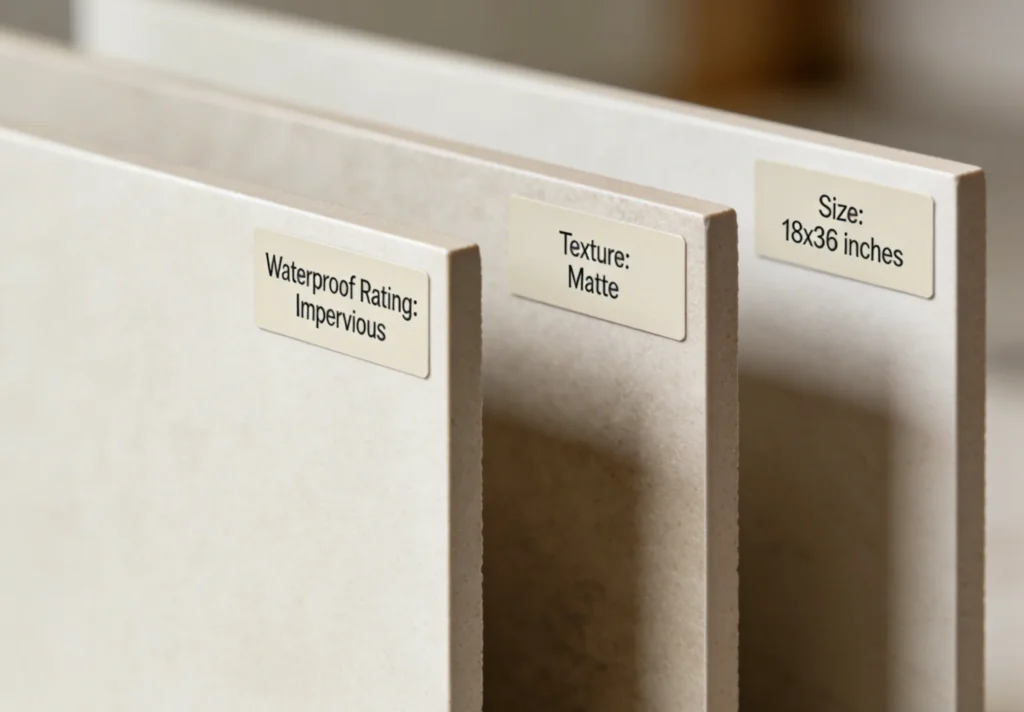
Waterproof Rating: Look for “impervious” (absorption <0.5%) – mandatory for bathrooms/showers; “vitreous” (0.5–3%) works for dry areas.
Texture: Matte/textured porcelain is slip-resistant (best for showers/outdoors); polished porcelain adds shine (ideal for living rooms/foyers).
Size & Thickness: Large tiles (18×36 inches) reduce grout lines (easy to clean); thicker tiles (≥6mm) are better for floors (thinner for walls).
Porcelain Tile Installation Tips (DIY & Pro)
Porcelain’s density requires specific steps for long-lasting results:
Prep the Substrate: Use a rigid backer board (not drywall) for wet areas; ensure floors are level (uneven surfaces cause tile cracking).
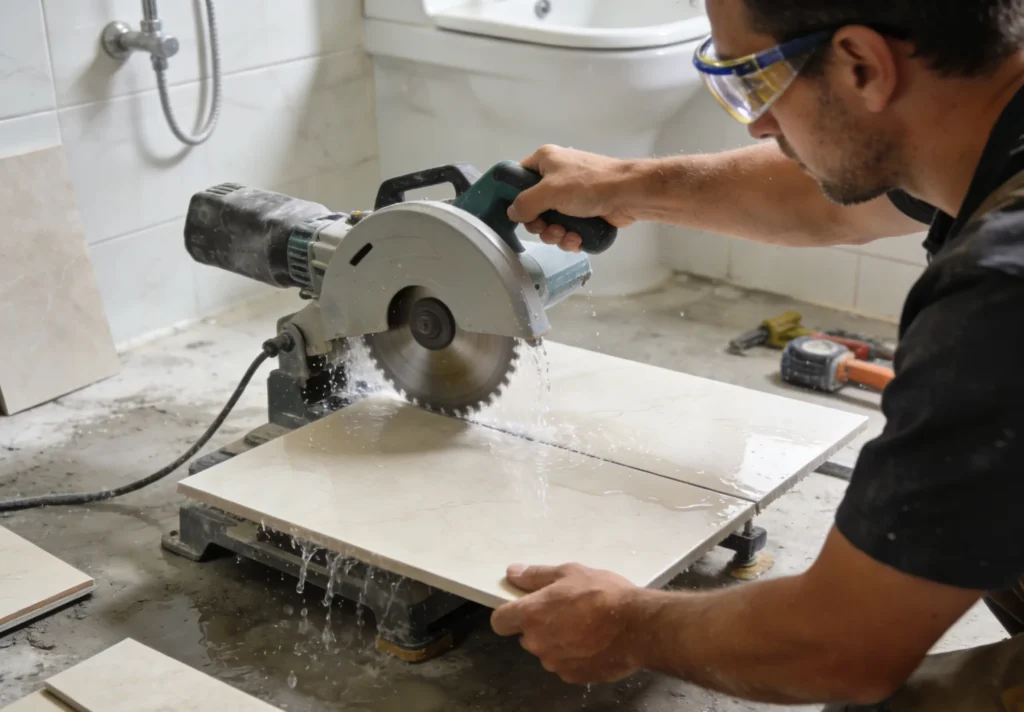
Use the Right Tools: Cut with a wet saw (porcelain is hard—regular tile cutters may chip edges); use modified thinset mortar (adheres better to dense tile).
Let Mortar Cure: Allow 24–48 hours for mortar to dry before grouting; wait another 72 hours before walking on floors.
How to Maintain Porcelain Tile (Easy Upkeep)
Porcelain tile needs minimal care to stay in top shape:
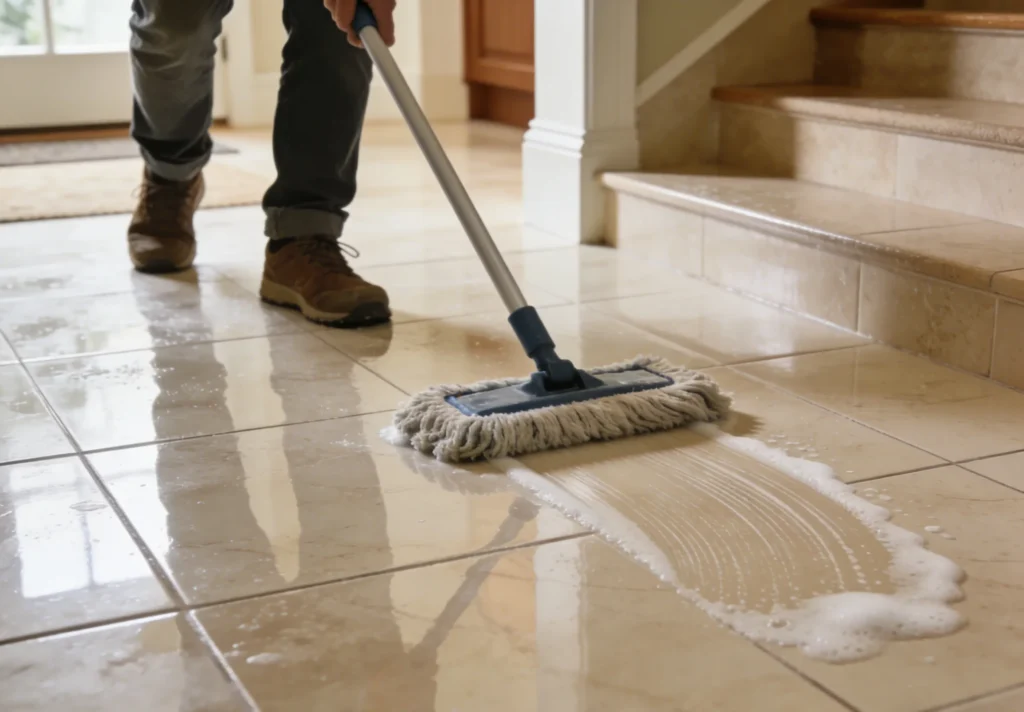
Daily Cleaning: Sweep floors with a soft broom or vacuum (no beater bar); wipe walls/backsplashes with a damp cloth.
Deep Cleaning: Use a pH-neutral cleaner (avoid vinegar/bleach—can damage grout); scrub grout lines monthly with a soft brush.
Prevent Damage: Place doormats at entryways (traps dirt); use furniture pads under heavy items (avoids scratches).
Conclusion
Porcelain tile is a long-term investment for homes that need durability and style. Its waterproof, scratch-resistant, and frost-resistant properties make it suitable for nearly any space—from busy kitchens to outdoor patios. By choosing the right type, following proper installation steps, and keeping up with simple maintenance, porcelain tile can enhance your home’s value and look for decades.