Slate tile—quarried from natural metamorphic rock—stands out for its rugged texture, earthy tones, and unmatched durability . Its dense composition makes it resistant to scratches, stains, and moisture, while its unique layered appearance (in shades of gray, black, green, or purple) adds rustic charm to modern, farmhouse, or industrial spaces. Unlike porous stones like marble, slate needs minimal sealing, making it a practical choice for high-traffic or wet areas—from kitchen floors to outdoor patios.
Top 4 Uses for Slate Tile in Homes
Slate’s strength and texture make it ideal for spaces that demand both style and resilience—here are its most practical applications:
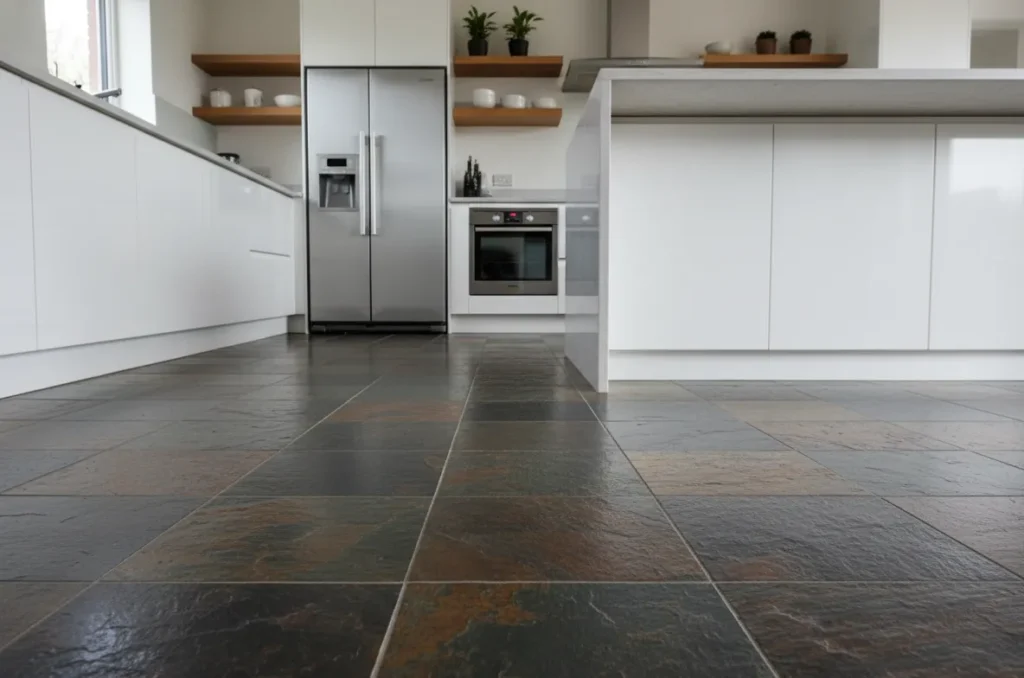
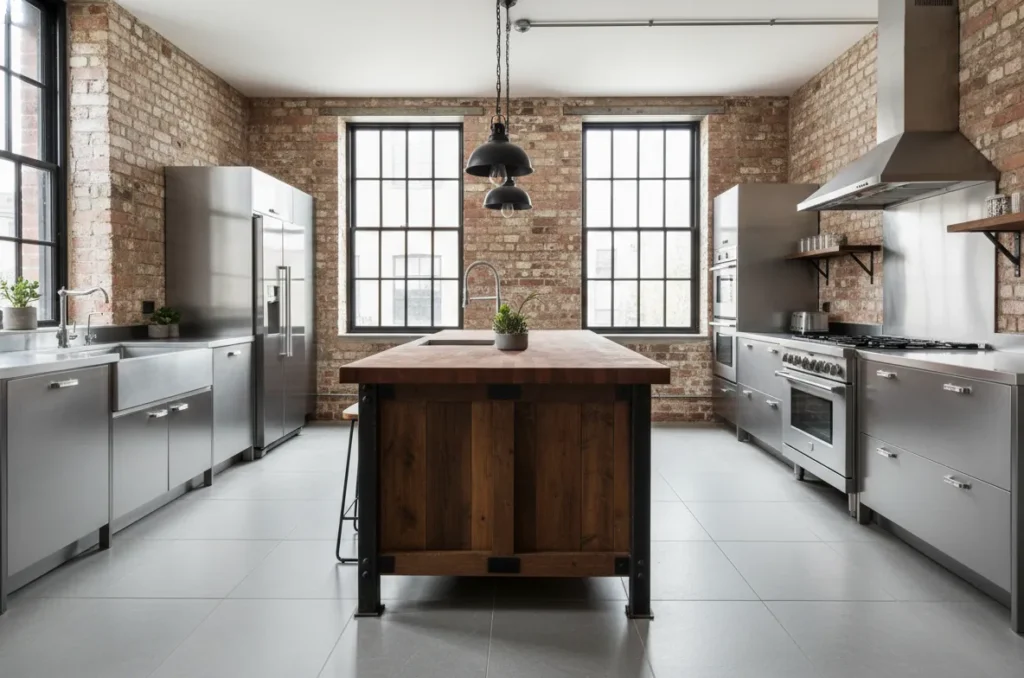
Kitchen Floors: Resists oil spills, dropped utensils, and heavy foot traffic; dark slate hides crumbs, while light gray slate brightens small kitchens.
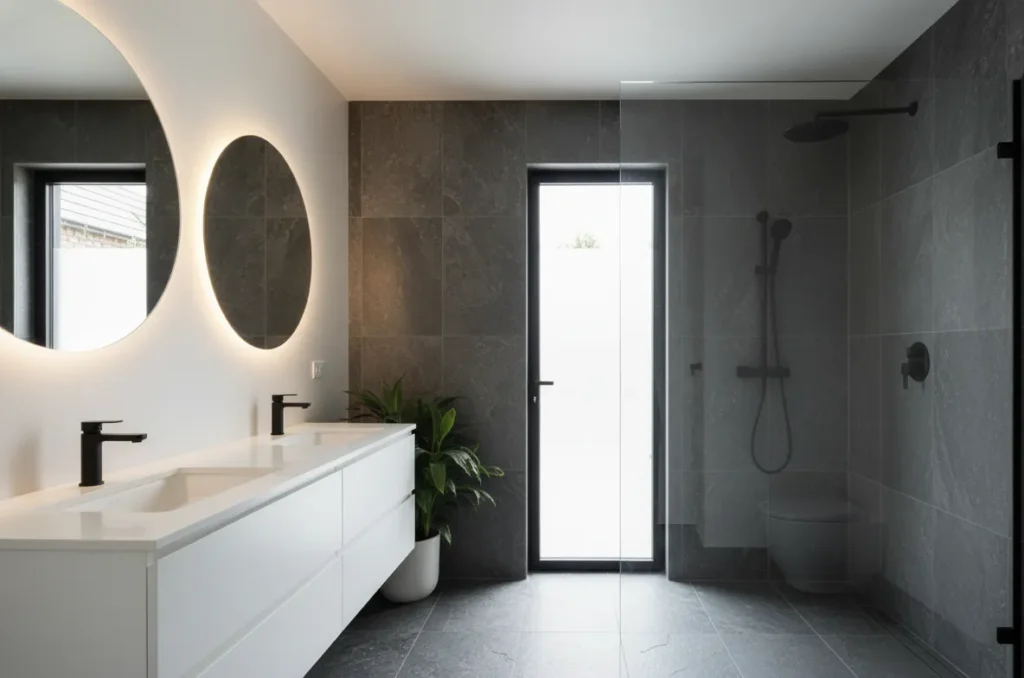
Bathroom Showers/Floors: Its naturally slip-resistant surface (even when wet) makes it safe for showers; use large-format slate to reduce grout lines (easier to clean).
Outdoor Patios/Paths: Frost-resistant and weatherproof, slate tile mimics natural stone without fading—perfect for creating an outdoor “living room” with wooden furniture.
Fireplace Surrounds: Slate’s heat resistance (it can withstand high temperatures) makes it ideal for fireplace hearths; pairs with both gas and wood-burning fires.
How to Choose Slate Tile: Key Factors
Not all slate tiles are the same—focus on these details to pick the right one for your space:
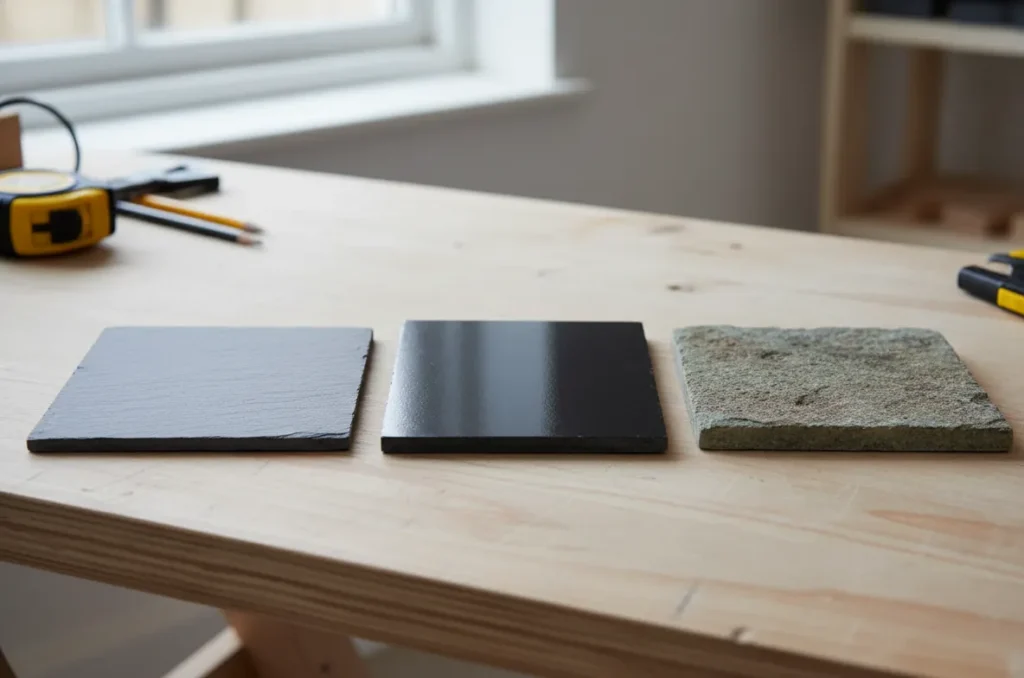
Natural vs. Engineered Slate: Natural slate (unique texture, higher cost—best for luxury spaces); Engineered slate (porcelain-based, budget-friendly—ideal for high-traffic areas like entryways).
Thickness: 10–15mm thickness for floors (supports furniture weight); 5–8mm for walls (lighter, easier to install).
Surface Finish: Honed (smooth, modern—good for indoor floors); Tumbled (weathered, rustic—best for outdoor patios); Natural cleft (rough, slip-resistant—perfect for showers).
Slate Tile Installation Tips (Pro Recommended)
Slate’s weight and density require professional installation for long-lasting results—here’s what to expect:
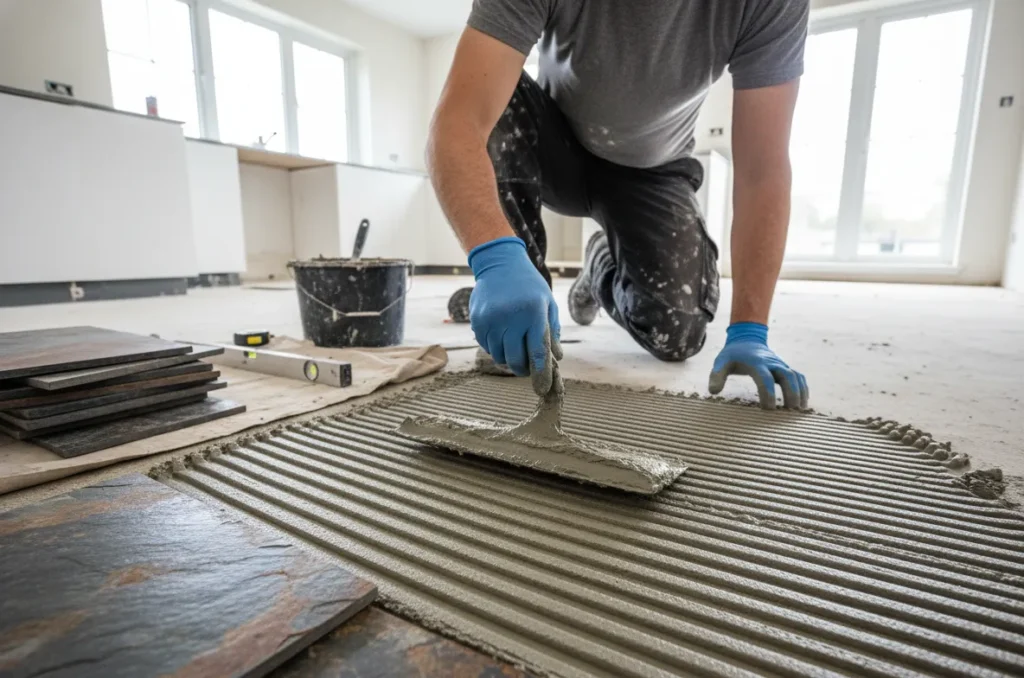
Reinforce the Substrate: Slate is heavier than ceramic/porcelain; use cement board for walls and a reinforced plywood subfloor for floors (prevents sagging or cracking).
Seal Before Grouting: Apply a single coat of penetrating sealer to natural slate—blocks grout from seeping into tiny pores (avoids discoloration).
Use the Right Mortar: Choose modified thinset mortar (not mastic)—it adheres better to slate’s dense surface and resists moisture in wet areas.
How to Maintain Slate Tile (Minimal Effort)
Slate’s durability means it needs little upkeep—follow these simple rules to keep it looking new:
Daily Cleaning: Sweep floors with a soft broom or vacuum (no beater bar); wipe walls/showers with a damp cloth (avoids soap scum buildup).
Annual Sealing: Reapply penetrating sealer once a year (only for natural slate—engineered slate needs no sealing); test with a drop of water (if it soaks in, it’s time to seal).
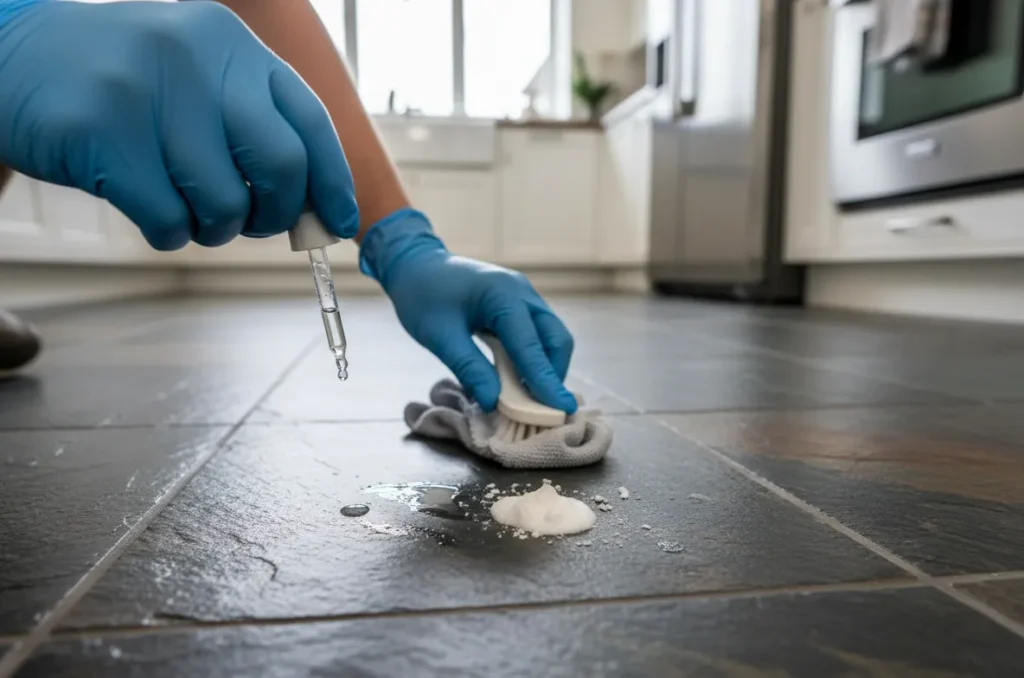
Tackle Stains: For tough stains (e.g., wine, coffee), make a paste of baking soda and water, let sit 10 minutes, then scrub with a soft brush (avoid abrasive tools that scratch the surface).
Conclusion
Slate tile is a practical, stylish choice for homeowners wanting durability without sacrificing charm. Its natural texture adds warmth to modern spaces, while its strength stands up to busy families, pets, and outdoor weather. By choosing the right type (natural vs. engineered), hiring a pro for installation, and keeping up with minimal maintenance, slate tile will enhance your home’s design for decades—no constant refinishing or replacement needed.