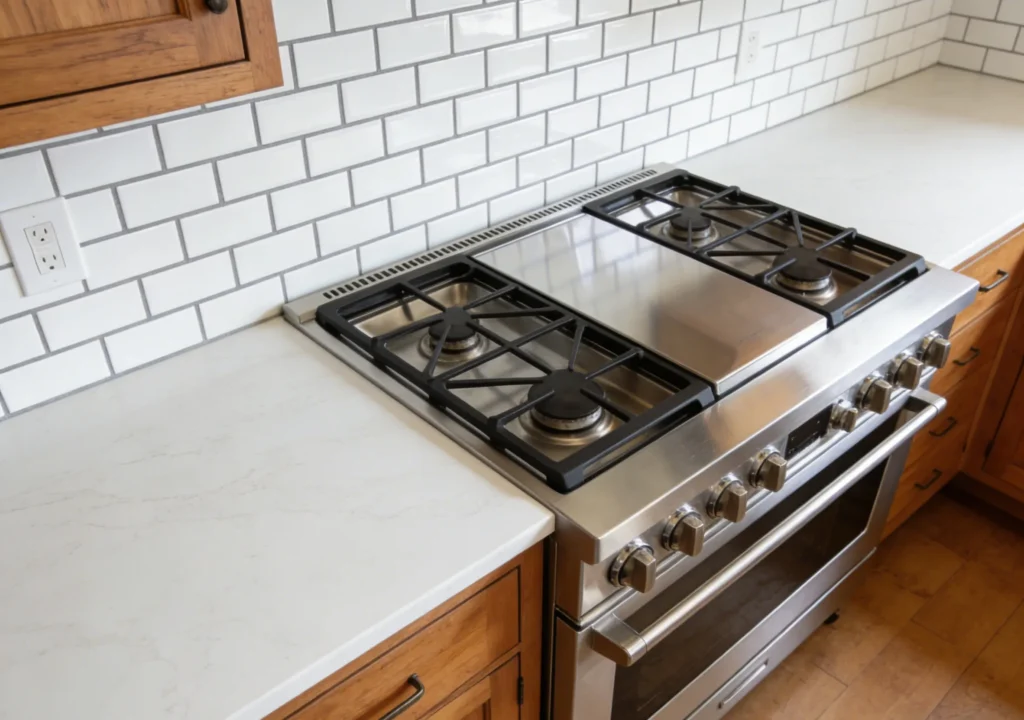
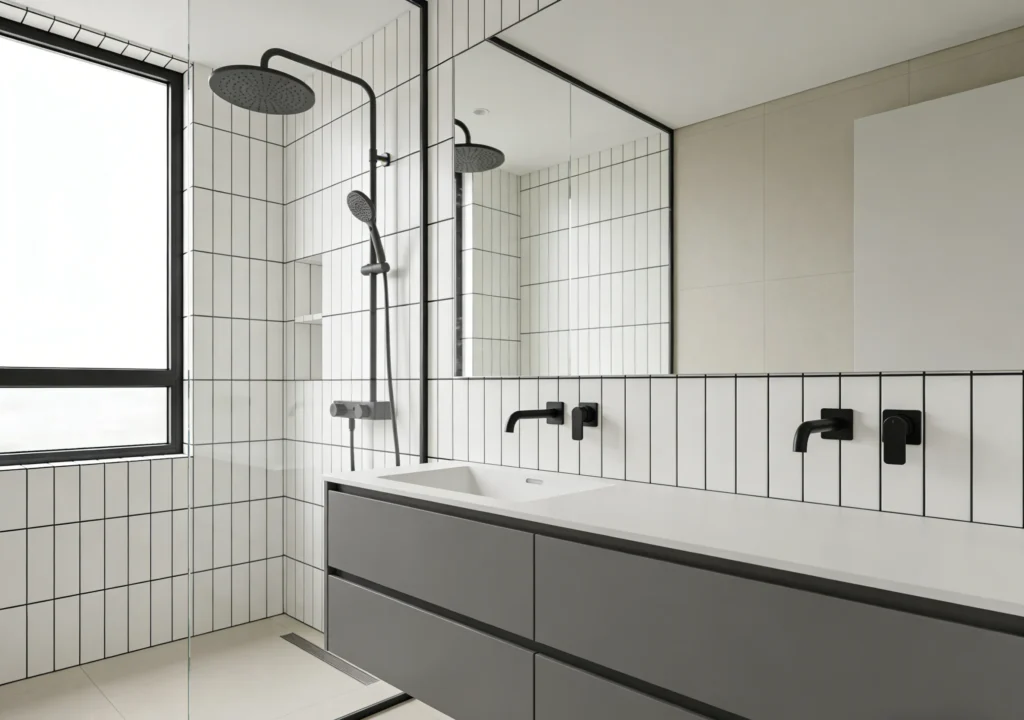
Subway tile—named for its original use in 1900s New York City subway stations—is a rectangular, low-profile tile (classic size: 3×6 inches) that embodies understated elegance. Crafted from ceramic or porcelain, it features a smooth, glazed surface in neutral hues (white, beige, gray) as well as bold colors, making it versatile enough for modern, traditional, farmhouse, or industrial spaces. Its simple shape and clean lines add structure without overwhelming decor, and its affordability and easy maintenance have kept it a top choice for homeowners for over a century.
Top 4 Uses for Subway Tile in Homes
Subway tile’s versatility shines in both functional and decorative spaces—here are its most popular applications:
Kitchen Backsplashes: The classic 3×6-inch white subway tile is a staple, pairing with any cabinet color; use contrast grout (black) to emphasize lines or matching grout (white) for a seamless look.
Bathroom Walls/Showers: Glazed subway tile resists moisture, making it perfect for shower surrounds; vertical installation elongates walls, while horizontal lays add width to small bathrooms.
Entryway Accents: A subway tile “wainscoting” (half-wall) adds texture to entryways, hiding scuffs from shoes and complementing wooden furniture or decor.
Accent Walls: Bold-colored subway tile (navy, emerald, black) creates a statement wall in living rooms or bedrooms, paired with neutral decor to keep the space balanced.
How to Choose Subway Tile: Key Factors
Subway tile’s simplicity doesn’t mean one-size-fits-all—follow these tips to pick the right one:
Material: Ceramic (budget-friendly, ideal for dry/moderate-moisture areas like kitchens); Porcelain (waterproof, scratch-resistant—best for showers/bathrooms).
Color & Glaze: White (versatile, brightens spaces); Gray/Beige (warm, subtle); Bold hues (statement-making); Matte glaze (slip-resistant for floors) vs. Glossy (easy to clean for walls).
2.4 Subway Tile Installation Tips (DIY-Friendly)
Subway tile’s simple shape makes it accessible for DIYers—here’s how to achieve a clean look:
Plan the Layout: Horizontal installation (classic, widens spaces); Vertical (modern, elongates walls); Herringbone (bold, for accents); dry-fit tiles first to adjust spacing.
Grout Choice: Contrast grout (black with white tile) highlights the tile’s lines; Matching grout (white with white tile) creates a seamless “wall of color”; use unsanded grout for narrow gaps (1/8 inch).
Adhesive Selection: Ceramic subway tile (thinset mortar or mastic); Porcelain (modified thinset mortar, for better adhesion to dense surfaces).
How to Maintain Subway Tile
Subway tile’s glazed surface is low-maintenance—follow these simple rules:
Daily Cleaning: Wipe walls/backsplashes with a damp cloth and mild soap; sweep floors (if using subway tile) with a soft broom to remove dust and crumbs.
Grout Care: Scrub grout lines monthly with a pH-neutral cleaner and soft brush; seal grout yearly (especially in wet areas) to prevent staining and mold.
Stain Removal: For tough stains (oil, coffee), use a baking soda paste—let sit 15 minutes, then wipe clean; avoid abrasive cleaners that scratch glossy glaze.
Conclusion
Subway tile proves that classic design never goes out of style. Its simple shape, affordability, and versatility make it a go-to for any home update—whether you’re renovating a kitchen, bathroom, or entryway. By choosing the right material, layout, and grout color, and keeping up with basic maintenance, subway tile will add timeless charm to your space for years, adapting to changing decor trends with ease.