
ntroduction
First, high-quality kitchen wall tiles blend function and style for any kitchen.
They protect walls from spills, heat, and daily wear in busy cooking spaces.
Whether you’re a homeowner or a contractor, this guide covers all your needs.
We break down top materials, trends, and tips for your kitchen tile project.
Top Kitchen Wall Tiles Materials for 2026
The best kitchen wall tiles balance durability, easy care, and timeless style.
Below are our curated, contractor-approved picks for every project type.
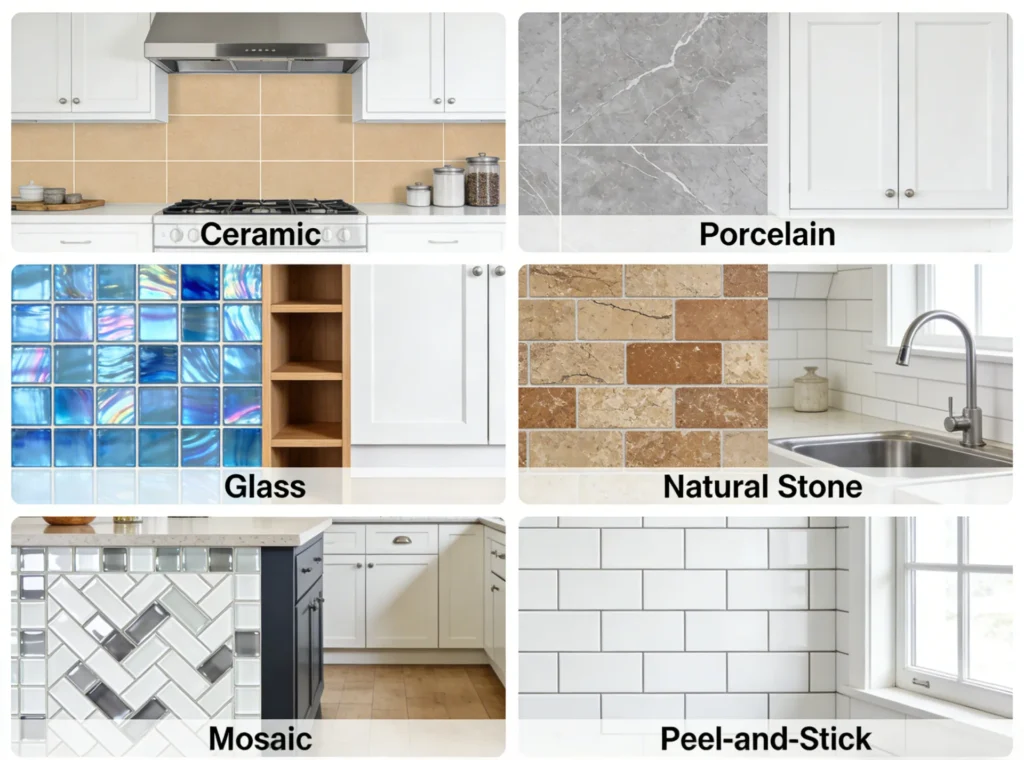
Ceramic Tiles
First, ceramic tiles are the most popular kitchen wall tiles on the market.
They fit nearly every budget, from entry-level to mid-range renovations.
This material is fully waterproof and resists mold in humid kitchen areas.
For contractors, ceramic tiles have consistent quality and simple installation.
They also come in thousands of colors, patterns, and finish options.
Porcelain Tiles
Next, porcelain kitchen wall tiles offer upgraded durability for heavy use.
They are fired at higher temperatures, creating a non-porous, scratch-proof surface.
No sealing is required, cutting down long-term maintenance for homeowners.
Large-format porcelain tiles speed up installation for big contractor projects.
They also mimic stone, wood, and concrete for a high-end look at lower cost.
Glass Tiles
In addition, glass kitchen wall tiles bring light and luxury to any kitchen.
Their reflective surface makes small, dark kitchens feel larger and brighter.
Glass is fully stain-proof and wipes clean with just a damp cloth.
They work perfectly as full-wall covers or small decorative accent strips.
Both homeowners and contractors love their low-maintenance, long-lasting design.
Natural Stone Tiles
Meanwhile, natural stone kitchen wall tiles deliver timeless luxury for high-end projects.
Options include marble, granite, slate, and travertine, each with unique veining.
They add significant property value for homeowners renovating for resale.
For contractors, they are a top upsell for luxury residential clients.
Note that natural stone needs regular sealing to prevent stains from spills.
Mosaic Tiles
Specifically, mosaic kitchen wall tiles add custom detail to any kitchen design.
They come pre-mounted on mesh sheets for fast, simple installation.
Options include glass, ceramic, porcelain, and natural stone blends.
They work for full walls, backsplashes, or small decorative feature areas.
Contractors use them to add custom flair without full custom fabrication.
Peel-and-Stick Wall Tiles
Finally, peel-and-stick kitchen wall tiles are perfect for fast, budget projects.
They need no grout, special tools, or professional skills to install.
Homeowners can complete a full kitchen install in just a few hours.
High-quality options last 3-5 years with proper daily care.
For contractors, they work great for rental updates and home staging projects.
How to Choose the Right Kitchen Wall Tiles
Picking the perfect kitchen wall tiles depends on your project goals and budget.
Below are tailored tips for homeowners and professional contractors.
Key Tips for Homeowners
First, set a clear per-square-foot budget before you start shopping.
Kitchen wall tiles range from under $1 to over $50 per square foot.
Next, pick a maintenance level that fits your daily lifestyle.
Porcelain, glass, and ceramic need minimal weekly cleaning.
Natural stone requires regular sealing to stay in good shape.
Also, choose tiles that match your existing cabinetry and countertops.
Neutral tones offer timeless appeal, while bold colors make a focal point.
Finally, decide if you will install the tiles yourself or hire a pro.
Peel-and-stick and basic ceramic tiles are best for DIY beginners.
Critical Tips for Professional Contractors
On the other hand, contractors have unique priorities for kitchen wall tiles.
First, source tiles from suppliers with consistent inventory and reliable stock.
This ensures you can match tiles for repairs and future client projects.
Next, prioritize materials that speed up installation and reduce project timelines.
Large-format porcelain tiles cut down install time for big kitchen spaces.
Also, choose tiles with strong manufacturer warranties to protect your clients.
This builds trust and reduces liability for post-installation issues.
Finally, partner with suppliers that offer competitive bulk pricing.
This boosts your project profitability and keeps clients happy.
2026 Trending Kitchen Wall Tiles Designs
Staying on top of trends helps homeowners and contractors deliver fresh designs.
Below are the hottest trends for 2026, for every budget and style.
Budget-Friendly Tile Trends
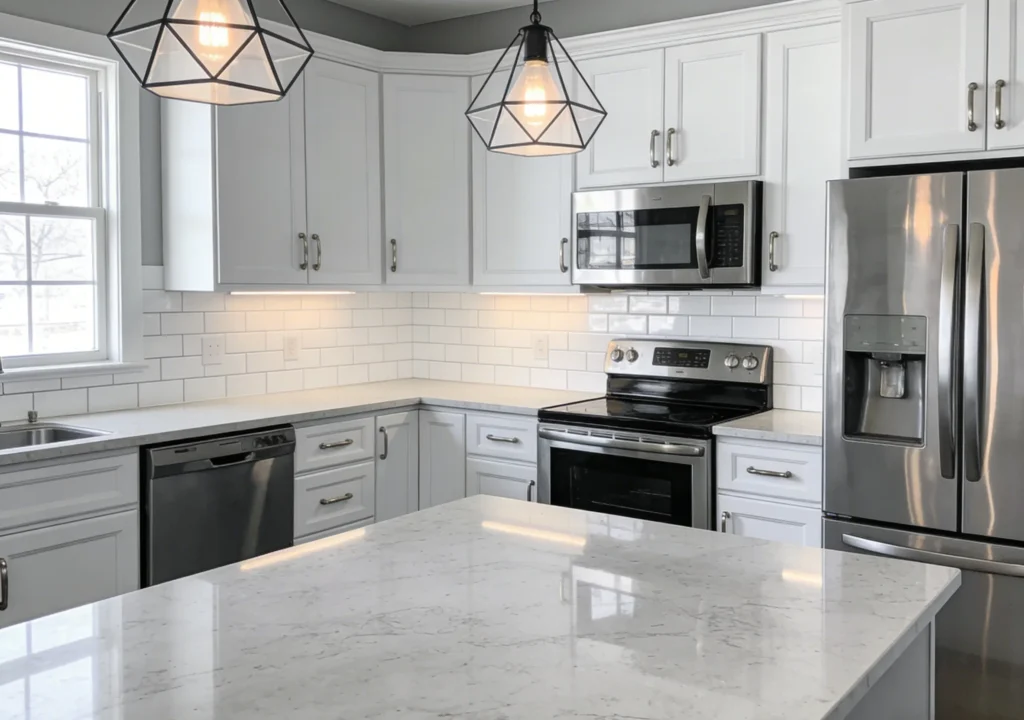
First, updated subway tiles are still a top pick for budget renovations.
Classic 3×6 tiles get a fresh twist with colored finishes and new layouts.
Herringbone, vertical stack, and chevron patterns add modern flair.
Next, faux stone and wood-look tiles offer luxury on a budget.
They mimic natural materials without the high cost or extra maintenance.
Finally, monochromatic matte tiles create a calm, modern kitchen look.
Warm neutrals like off-white and soft beige work with any cabinet style.
High-End Luxury Tile Designs
Meanwhile, luxury trends focus on custom, seamless kitchen wall tiles.
First, wall-to-ceiling full-slab tiles create a sleek, no-grout look.
They work perfectly for modern minimalist and high-end luxury kitchens.
Next, handmade artisan tiles add unique texture and warmth to the space.
Each tile has subtle color variations for a one-of-a-kind custom feel.
Finally, mixed material designs elevate any luxury kitchen project.
Combine glass accents with porcelain, or metal trim with natural stone.
Kitchen Wall Tiles Installation: DIY vs Professional
Proper installation ensures your kitchen wall tiles look great and last for years.
Below is a clear breakdown for DIY and professional installation.
DIY Installation Tips
For DIY homeowners, start with beginner-friendly tile options.
Peel-and-stick and basic ceramic subway tiles are the easiest to install.
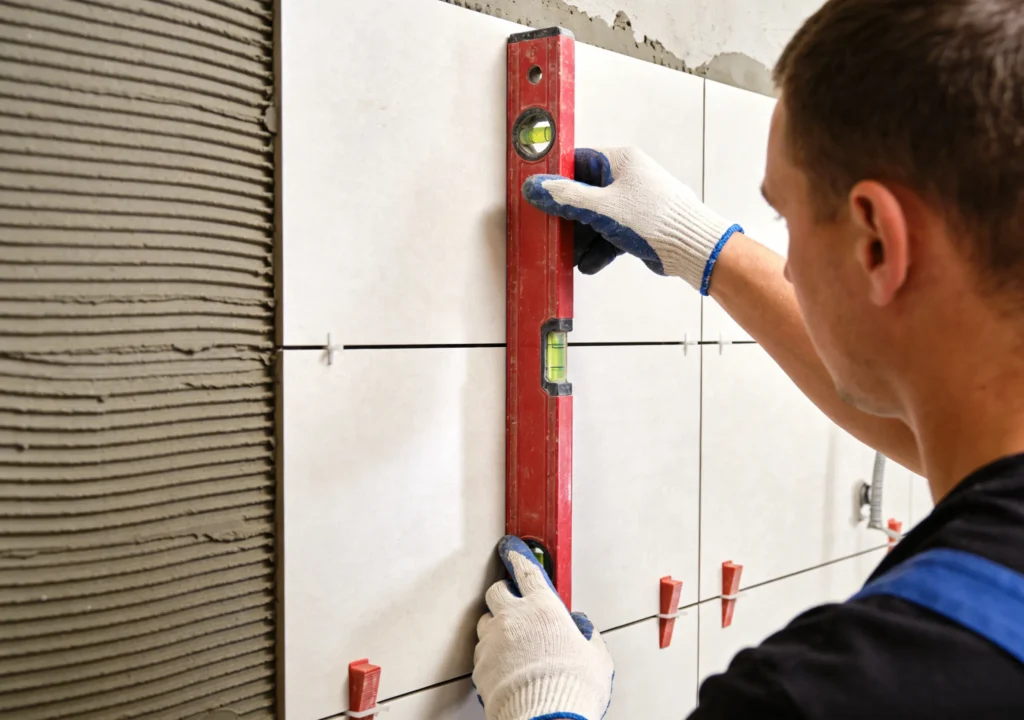
First, always start with a clean, flat, and completely dry wall surface.
Measure your space twice before cutting any tiles to avoid waste.
Use adhesive and grout specifically rated for kitchen use.
For complex cuts around outlets, use a wet saw for clean, precise results.
Professional Installation Best Practices
For contractors, consistent practices boost efficiency and client satisfaction.
First, inspect the wall surface for damage before starting any installation.
Fix uneven areas to ensure a flat, stable base for the tiles.
Use high-quality adhesive and grout made for high-humidity kitchen spaces.
Communicate clearly with clients about timelines and potential challenges.
For full-slab and natural stone installs, partner with a specialist fabricator.
Maintenance Tips for Long-Lasting Kitchen Wall Tiles
Simple regular maintenance keeps your kitchen wall tiles looking brand new.
Below are universal and material-specific care tips.
Universal Maintenance Rules
First, wipe up all spills immediately to prevent stains and damage.
This is especially important for acidic spills like tomato sauce and lemon juice.
Use a mild, non-abrasive cleaner and soft cloth for weekly cleaning.
Avoid harsh scouring pads and bleach, which damage finishes and grout.
Seal all grout lines once a year to prevent mold and discoloration.
Material-Specific Maintenance Tips
For natural stone kitchen wall tiles, re-seal the surface every 6-12 months.
For matte finish tiles, use a cleaner made specifically for matte surfaces.
This prevents streaks and residue buildup on the tile surface.
For glass tiles, use a streak-free glass cleaner for a perfect shine.
For peel-and-stick tiles, avoid harsh cleaners that can loosen the adhesive.
Final Thoughts
The right kitchen wall tiles transform any kitchen’s look and functionality.
They add value to homes and help contractors deliver exceptional client results.
This guide covers every step of choosing, installing, and caring for your tiles.
Explore our other guides for more expert kitchen renovation and building material tips.