Durable Kitchen Tile Flooring: The 2026 Buyer’s Guide
The Ultimate Durability Test: Choosing the Best Kitchen Tile for Your Home
The kitchen is the workhorse of the home. It sees dropped cast-iron skillets, spilled wine, muddy paw prints, and constant foot traffic. While wood scratches and vinyl can dent, kitchen tile remains the king of longevity.
However, not all tiles are created equal. If you are shopping for kitchen floor tiles, you need to understand the technical ratings to ensure your investment lasts for decades.
1. Porcelain vs. Ceramic: The Hardness Scale
For kitchens, Porcelain is King.
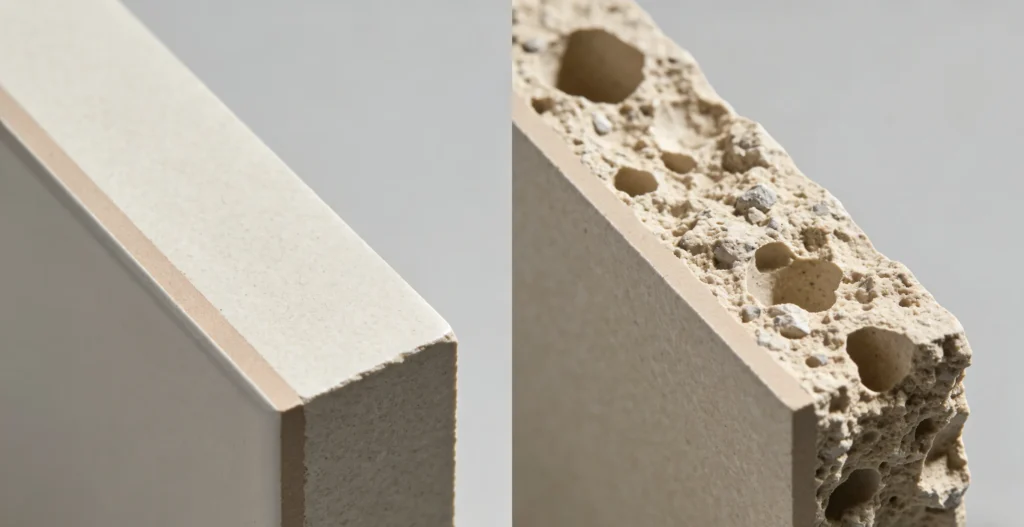
Porcelain: Fired at extreme temperatures, it is dense, impervious to water (absorption <0.5%), and incredibly hard.
Ceramic: Softer and more porous. While great for walls, standard ceramic may crack under the impact of a dropped pot.
The “Through-Body” Advantage: Look for “through-body” porcelain. This means the color runs all the way through the tile. If you manage to chip it, the chip is the same color as the surface, making it invisible.
2. Understanding PEI Ratings
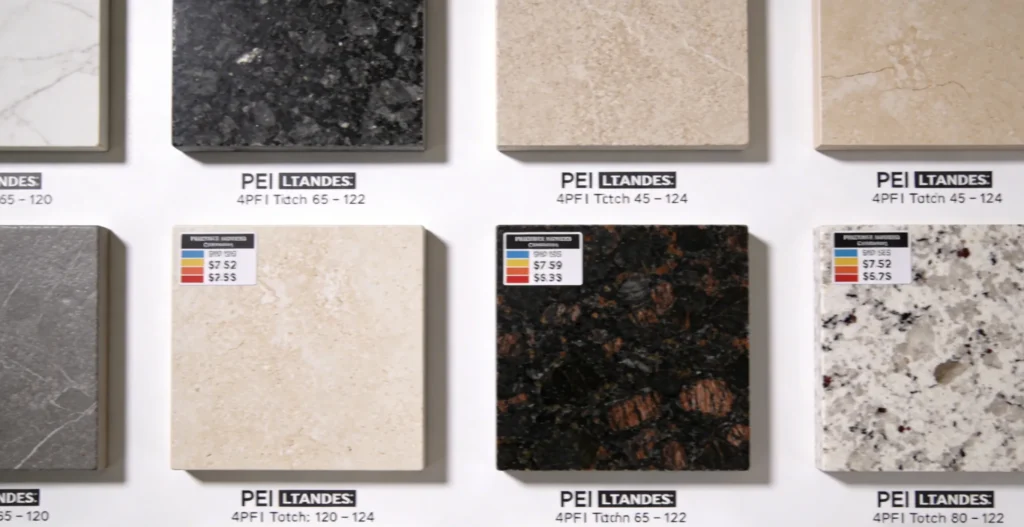
When buying kitchen tile, check the PEI (Porcelain Enamel Institute) rating on the box:
PEI 1-2: Wall use only.
PEI 3: Light residential (bathrooms).
PEI 4: Heavy residential (Kitchens, Hallways). <– Buy This.
PEI 5: Commercial traffic (Malls, Restaurants).
3. Comfort vs. Durability
The complaint about kitchen floor tiles is that they are hard and cold.
Solution 1 (Cold): Porcelain is an excellent thermal conductor. Installing an electric radiant heating mat underneath takes the chill off and is cheaper than you think.
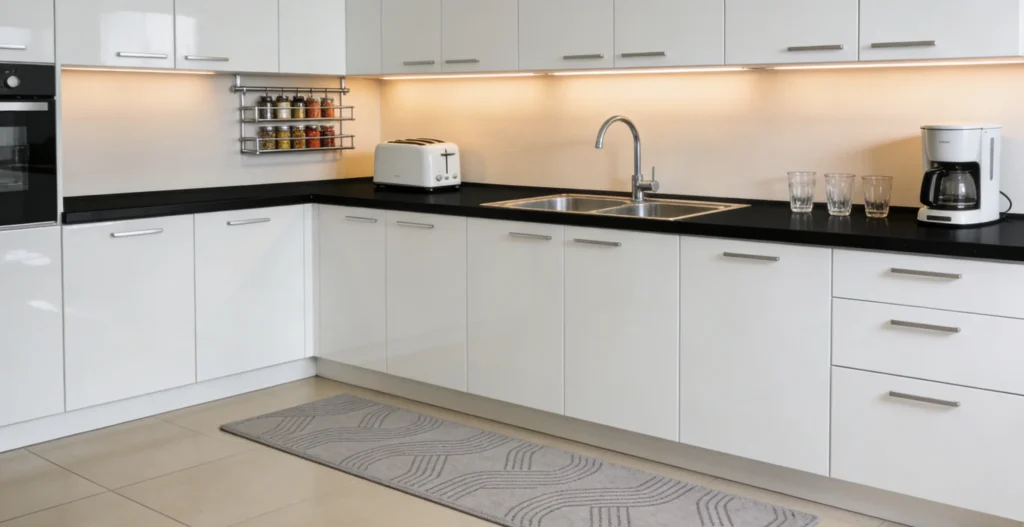
Solution 2 (Hard): Place gel-filled anti-fatigue mats at the prep zones (sink and stove) to protect your back and knees.
4. 2026 Style Trends: Big and Seamless
Large Format Slabs: 24×48 inch tiles are trending. Fewer grout lines mean fewer places for tomato sauce and grease to get stuck.
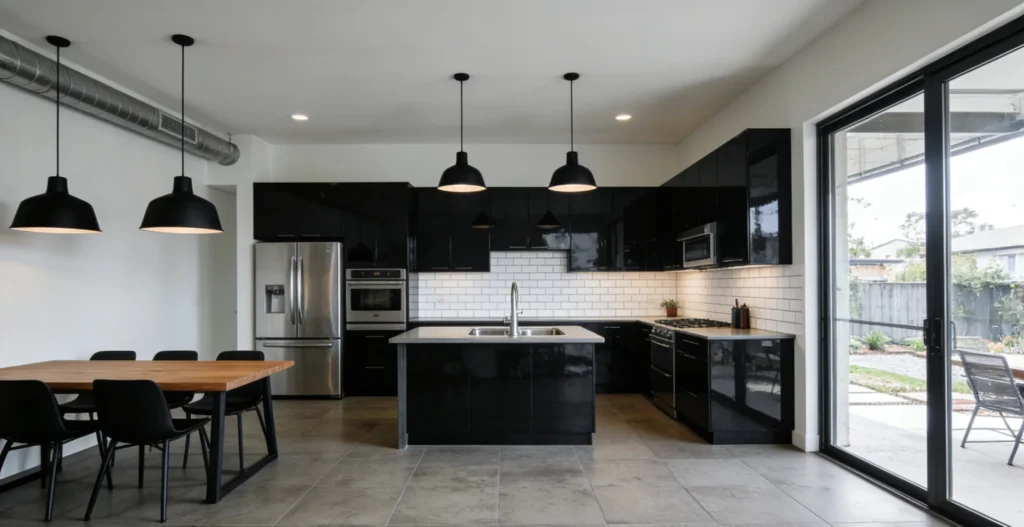
Concrete Look: Industrial chic is still huge. Large, gray matte tiles that mimic polished concrete offer a modern look without the cracking issues of real cement.
Checkerboard: A classic return! using alternating light and dark stone-look tiles for a vintage bistro vibe.
5. Maintenance: Grout Sealing
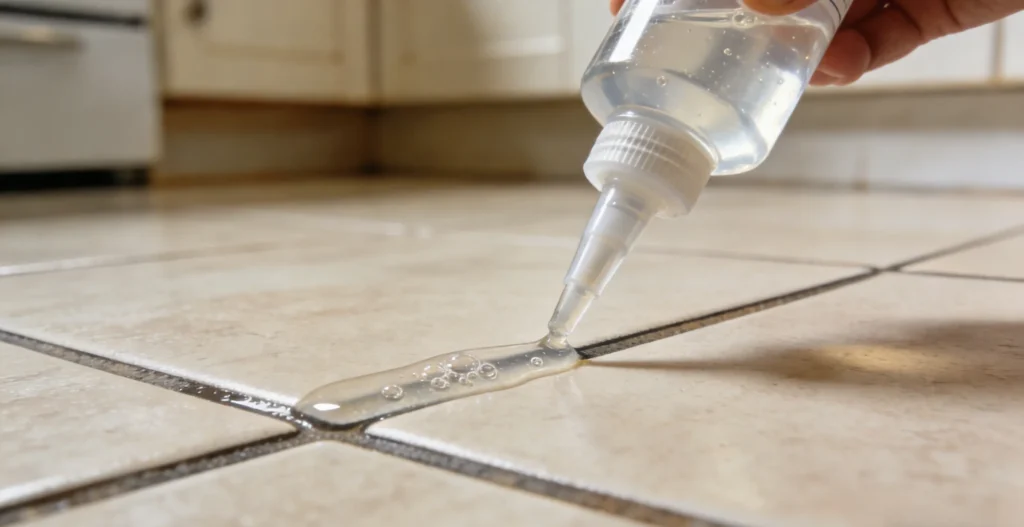
The tile won’t stain, but the grout will.
Recommendation: Use a “Stain Proof” Epoxy grout for kitchen tile installations. If using standard grout, you must apply a penetrating sealer once a year to prevent oil and food stains from darkening the lines.
6. FAQ
Q: Is kitchen tile slippery? A: It can be. For kitchens, avoid “Polished” finishes. Look for “Matte,” “Satin,” or “Honed” finishes which provide friction even when water is spilled.